

 Phoenix 24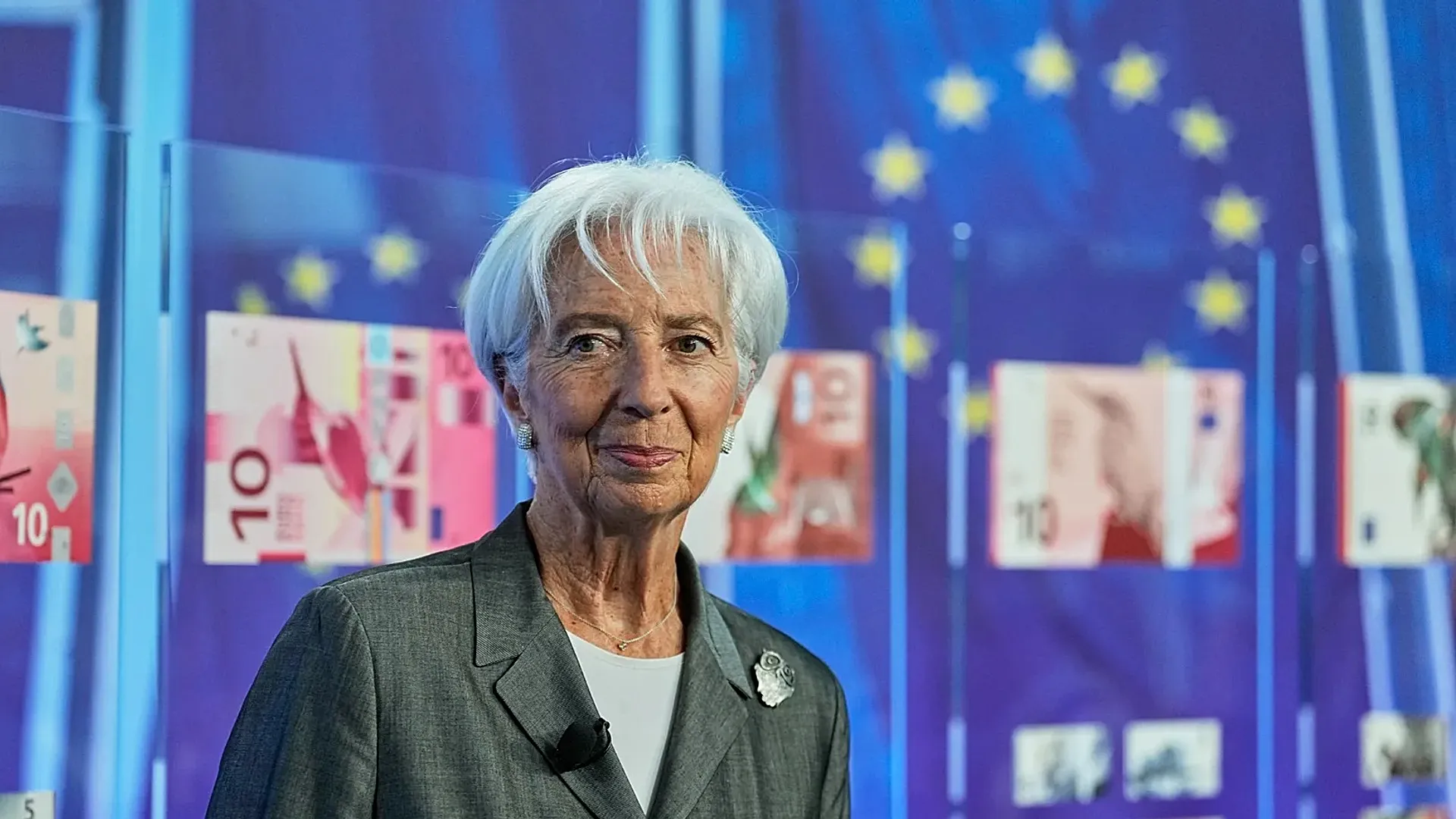
A rumored transition could reshape two powerful institutions.
GENEVA, SWITZERLAND
European Central Bank President Christine Lagarde has reportedly emerged as a possible candidate to lead the World Economic Forum in 2027. The Swiss newspaper Neue Zürcher Zeitung said Lagarde was presented as a prospective candidate during a meeting of the organization’s governing board near Geneva. Citing anonymous sources, the report stated that she thanked members for their confidence and declared herself “ready to serve.” Neither the ECB nor the World Economic Forum has formally confirmed an appointment or an agreed succession timetable.
Lagarde has served on the Forum’s board of trustees for several terms and is already closely connected to its annual meeting in Davos. The organization is currently co-chaired by BlackRock chief executive Larry Fink and Roche vice-chairman André Hoffmann. According to the report, both men are expected to remain in charge through the next Davos gathering while the board considers its longer-term leadership structure. No final decision has reportedly been made on when or whether Lagarde would assume the position.
The timing is particularly sensitive because Lagarde’s non-renewable eight-year mandate at the ECB runs until October 2027. She has repeatedly indicated that she intends to complete that term, despite earlier reports suggesting she could leave before its formal conclusion. A premature departure would accelerate negotiations among eurozone governments over one of Europe’s most influential economic appointments. Potential successors already discussed publicly include former Dutch central-bank governor Klaas Knot, Bundesbank President Joachim Nagel, ECB Executive Board member Isabel Schnabel and former Bank of Spain governor Pablo Hernández de Cos.
Lagarde has also faced speculation about a possible role in French politics, but she recently rejected the suggestion that she would run in the country’s presidential election. Her extensive institutional experience includes serving as France’s finance minister, managing director of the International Monetary Fund and president of the ECB since 2019. Those credentials would give the World Economic Forum a leader with deep connections across governments, central banks and global finance. They could also intensify scrutiny of the Forum’s relationship with corporate and political power, particularly as it seeks to reinforce public credibility after leadership controversies surrounding founder Klaus Schwab. Until an official announcement is issued, however, Lagarde remains the ECB president and her reported willingness should not be treated as confirmation that she has accepted another position.
Leadership transitions reveal how closely global institutions depend on individual credibility. / Las transiciones de liderazgo revelan cuánto dependen las instituciones globales de la credibilidad individual.