

 Phoenix 24

When electricity fails, the ability to stay online depends less on magic and more on smart adaptation of existing technologies.
Global Tech Hub, January 2026.
In a world where digital connectivity underpins personal communication, economic activity and emergency response alike, the question of how to maintain internet access when the lights go out is more than a matter of convenience. Whether due to natural disasters, grid instability or planned outages, situations without electrical power pose a real threat to continuity in communication and information access. Fortunately, a suite of solutions already exists and is becoming increasingly practical for everyday users.
At its core, internet access requires two basic elements: a data connection and a power source. While the former is typically provided by wireless networks, satellites or mobile carriers, the latter is often taken for granted. Traditional power infrastructure fails, however, the task of keeping devices online depends on independent energy sources and network paths that do not rely on grid electricity.

One prevalent method involves backup battery systems that maintain power to routers, modems and smartphones long after buildings lose electrical supply. In residential or enterprise settings, uninterruptible power supplies (UPS) have long been used to bridge the gap between grid failure and generator activation. These devices store electricity in batteries and can keep critical networking hardware alive for a limited time, often several hours. In the field of telecommunications, analogous systems support cellular towers and network nodes, ensuring that mobile data and voice services continue to operate during outages.
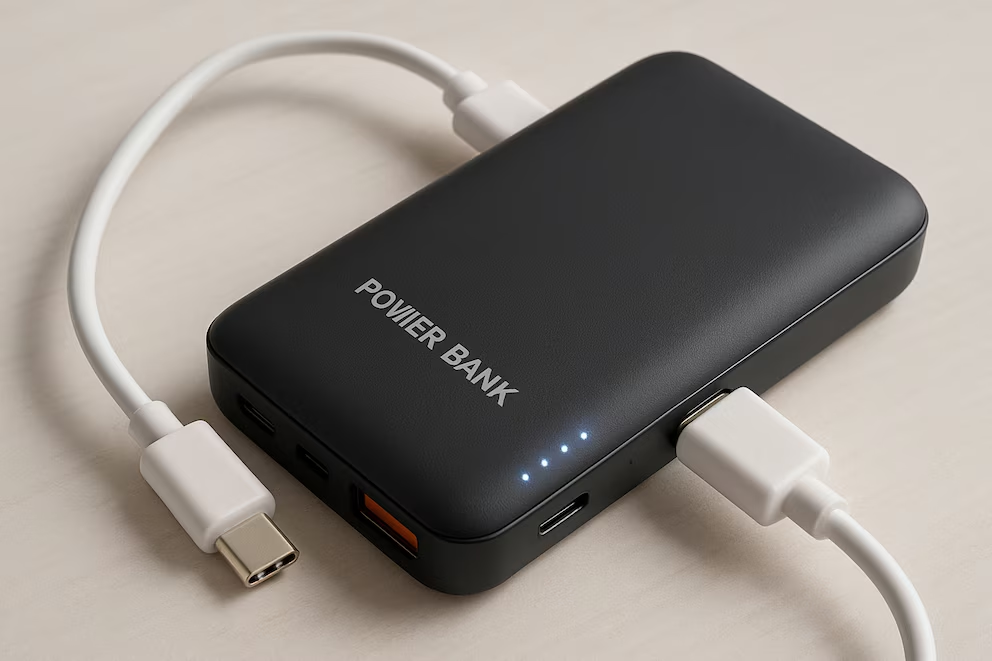
Portable battery packs have emerged as a consumer-grade alternative, allowing users to recharge phones, tablets and even small networking devices without mains power. Advances in battery energy density and power management have made these packs more versatile, enabling them to supply hours of connectivity in low-power scenarios. In many regions of Africa and Southeast Asia, where intermittent electricity is a recurrent reality, portable power solutions are common among users who rely on internet access for commerce and communication.
Satellite internet services like those operated by global constellations provide another layer of resilience. Because these systems communicate directly between user devices or ground terminals and orbiting satellites, they can function independently of terrestrial infrastructure. When paired with portable power systems, satellite connectivity allows users to send and receive data even in areas where local networks are down. This combination has been particularly valuable in disaster zones, where traditional network infrastructure is often damaged or congested.
Microgrid and community energy initiatives further illustrate how distributed power systems can sustain connectivity. In certain parts of Latin America and the Caribbean, local solar microgrids equipped with storage batteries support neighborhoods during grid outages. These microgrids can power community Wi-Fi hotspots, enabling residents to stay online as long as the batteries hold charge. The integration of renewable energy systems with communication networks is increasingly seen as a model for resilience in remote or underserved locations.
For mobile devices, specific software optimizations also play a role. Power saving modes, adaptive brightness, reduced background tasks and network priority adjustments can extend device uptime significantly. These features do not create power, but they ensure that existing energy is used as efficiently as possible when every percentage of battery life counts. In regions with unreliable electricity access, consumer awareness of these modes has grown, and tech education programs often include best practices for power management.
Technical standards bodies and wireless carriers have contributed as well. For example, mesh networking protocols allow devices to relay data among themselves in the absence of central infrastructure. Mesh networks have been deployed in parts of Europe and North America during emergencies, enabling neighborhoods to maintain communication links when core networks are compromised. Such decentralized networks can operate over short distances and, when combined with portable power, form localized connectivity islands that sustain internet access.
Institutional efforts to promote resilience have also emerged. International organizations focused on disaster response and digital inclusion encourage investment in infrastructure that can operate off-grid. These recommendations emphasize diversified energy sources, redundant network paths and community training. From Japan to the Middle East, where natural hazards can disrupt utilities, policy frameworks now explicitly include connectivity continuity in national preparedness plans.
Importantly, maintaining internet without power is not just a matter of hardware, but of strategic planning and adaptation. It requires users and institutions to think beyond standard usage patterns, to anticipate failure modes and to build redundancy into technology ecosystems. The pandemic era underscored the consequences of disrupted communication, and the lessons learned have informed ongoing efforts to bolster resilience across sectors.

The concept of resilience in connectivity also intersects with broader debates about equitable access to technology. In many low-income regions, the combination of intermittent power and limited infrastructure has long constrained internet usage. Solutions that integrate renewable energy, decentralized networking and affordable battery systems not only address outage scenarios but also expand baseline access. In this way, what begins as an emergency adaptation can become a permanent enhancement of technological inclusion.
As power grids face climate induced stresses and infrastructure ages worldwide, the ability to stay online without electricity will remain a pressing concern. The strategies outlined here illustrate that redundancy, diversity of energy sources and user awareness are key components of a resilient digital life.
Each innovation in connectivity reinforces a timeless insight: technologies flourish not because they are powerful, but because they are adaptable.
Hechos que no se doblan. / Facts that do not bend.