

 Phoenix 24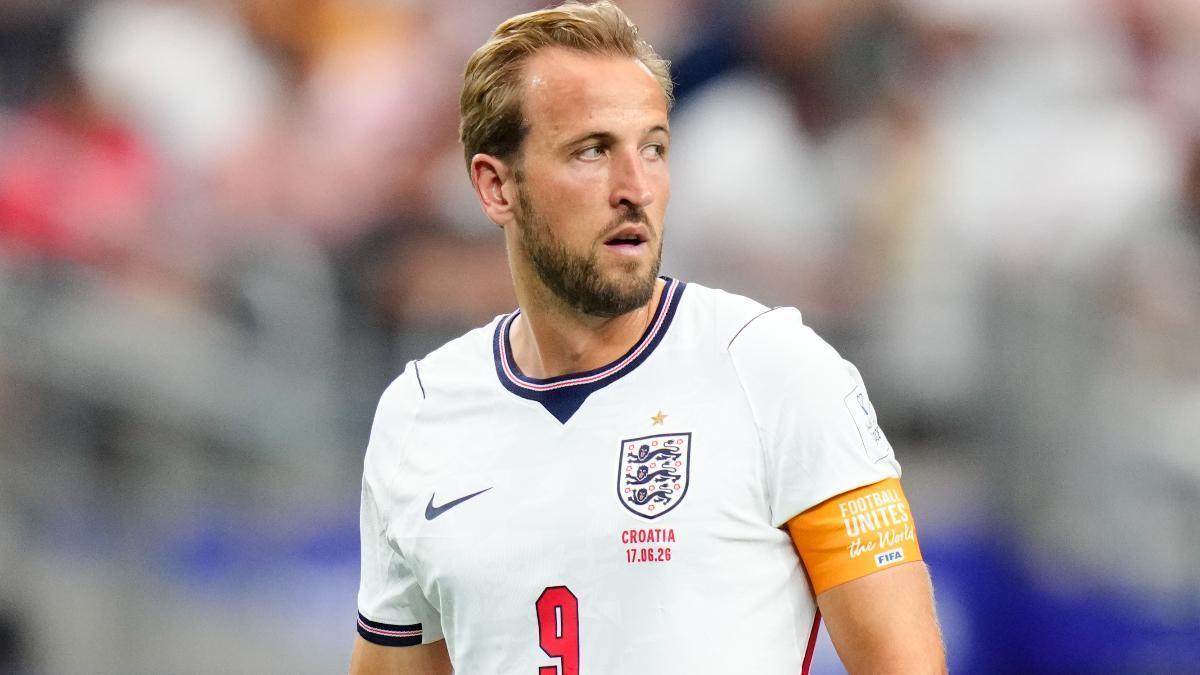
The Three Lions survived a fierce response before dominating after halftime.
DALLAS, UNITED STATES — June 2026. England opened its 2026 FIFA World Cup campaign with a 4-2 victory over Croatia in an entertaining Group L encounter marked by Harry Kane’s clinical finishing and a decisive second-half performance. Thomas Tuchel’s team surrendered two separate leads before recovering after the interval, when Jude Bellingham restored its advantage and substitute Marcus Rashford secured the result during the closing stages.
Tuchel introduced two notable changes to England’s expected starting lineup, selecting Ezri Konsa ahead of Marc Guéhi in central defense and Noni Madueke instead of Bukayo Saka on the right wing. Anthony Gordon occupied the opposite flank, while Kane led the attack with Bellingham and Declan Rice providing support from midfield. The decisions reflected the coach’s intention to increase physical intensity and vertical movement against an experienced Croatian side.
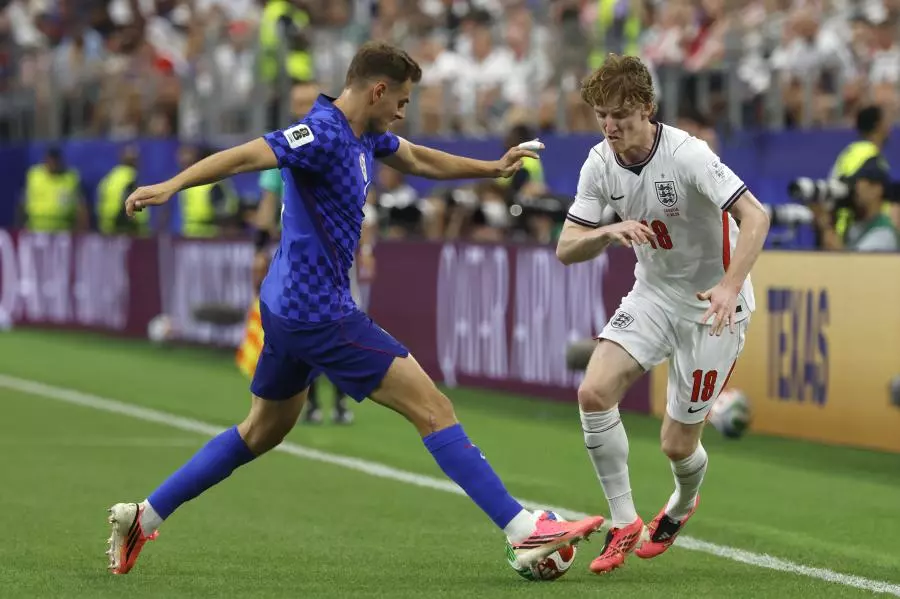
England began aggressively and earned an early penalty after Luka Modrić’s attempted clearance struck Madueke inside the area. Kane initially saw his effort stopped by Dominik Livaković, but the video assistant referee determined that the goalkeeper had moved away from his line before the kick. The penalty was ordered to be retaken, and the England captain converted at the second attempt in the 12th minute.
The goal rewarded England’s energetic start, but Croatia gradually established greater control of possession. Modrić and Mateo Kovačić began finding spaces in midfield, allowing Zlatko Dalić’s team to move the ball more confidently through England’s initial pressure. The Croatian response arrived in the 36th minute when Martin Baturina collected the ball near the edge of the penalty area and produced a powerful finish beyond Jordan Pickford.
England reacted quickly and regained the lead through its captain. A corner delivered into the Croatian area found Kane, who escaped his marker and directed a firm header past Livaković in the 42nd minute. His second goal appeared likely to send England into halftime with an advantage, but Croatia again demonstrated the resilience that has defined its performances in recent international tournaments.
Petar Musa equalized during first-half stoppage time after England failed to deal effectively with another Croatian attack. The goal completed a chaotic opening period in which both teams displayed attacking quality but also exposed defensive vulnerabilities. Croatia entered the interval level at 2-2 after twice recovering from a losing position, while England faced questions over its ability to control the match despite creating the clearer chances.
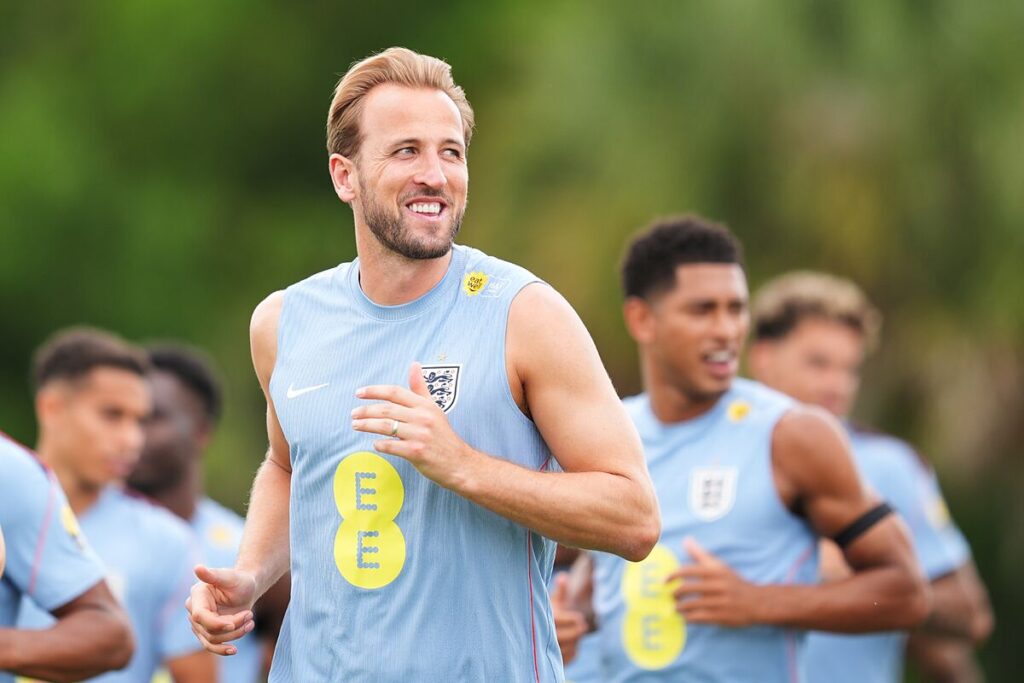
Tuchel’s team returned with greater urgency and needed only two minutes to score again. Bellingham drove forward from midfield, resisted pressure from the Croatian defense and completed the move with an assured finish. The goal restored England’s lead and shifted the momentum decisively toward the Three Lions, whose pressing and movement became considerably more effective after the break.
Croatia struggled to reproduce the fluency it had shown during the closing stages of the first half. England reduced the influence of Modrić, recovered possession more quickly and attacked with greater purpose through the spaces surrounding the Croatian midfield. Kane continued to provide a focal point, while Bellingham’s physical power and ability to carry the ball created repeated problems for Dalić’s defense.
Livaković prevented England from extending its advantage earlier by producing several important saves. Croatia remained within one goal and attempted to generate another equalizer through substitutions and longer attacking possessions. Its efforts, however, left increasing space behind the defensive line as the team committed more players forward during the final phase of the contest.
Tuchel introduced Rashford to provide fresh speed against a tiring defense. The forward required only a brief period on the field to demonstrate his value, attacking the open spaces created as Croatia searched for a third goal. His direct running gave England an immediate counterattacking threat and forced the opposition to defend deeper whenever possession was lost.
Rashford completed the victory in the 90th minute after England launched a rapid transition. The substitute advanced into the Croatian half and finished the move to make the score 4-2, ending any remaining possibility of another comeback. His goal rewarded Tuchel’s changes and confirmed England’s superiority during a second half in which it played with greater balance and intensity.
The performance carried particular significance for Kane, who once again delivered on the international stage. The captain’s two goals established the platform for the victory and demonstrated his continued importance to England’s attacking structure. His ability to convert from the penalty spot, dominate aerial situations and connect with midfield runners gave the team several different methods of threatening Croatia.
Bellingham also emerged as a decisive figure after an uneven opening period. His second-half goal reflected the combination of technique, strength and attacking ambition that has made him central to England’s plans. Alongside Kane, he provided the leadership required when Croatia threatened to transform the match into another difficult tournament experience for the English team.
Rashford’s contribution strengthened the case for a prominent role during the competition. His speed and willingness to attack defenders offered a different profile from the starting wingers, while his late goal demonstrated his capacity to influence matches from the bench. Tuchel now possesses several attacking alternatives capable of changing the rhythm depending on the opponent and state of the game.
Croatia left Dallas without points but with evidence that it can compete against the leading teams in the group. Its first-half response showed technical quality, tactical experience and considerable mental strength. Defensive errors and England’s superior intensity after the interval ultimately proved decisive, placing greater pressure on Croatia’s remaining matches against Ghana and Panama.
England’s victory provided an important opening advantage in Group L and reinforced its position as one of the tournament’s principal contenders. The six-goal contest also revealed areas requiring improvement, particularly the defensive concentration that allowed Croatia to equalize twice. Tuchel will welcome the attacking production while recognizing that stronger opponents may punish similar periods of instability more severely.
The Three Lions secured three points through the quality of their leading figures and the impact of their substitutes. Kane supplied the goals that sustained England during a difficult first half, Bellingham broke the tie after the restart and Rashford delivered the final blow. It was not a flawless performance, but it provided the result and attacking confidence required at the beginning of a World Cup campaign.
At Phoenix24, every match reveals the strategy behind the result.