

 Phoenix 24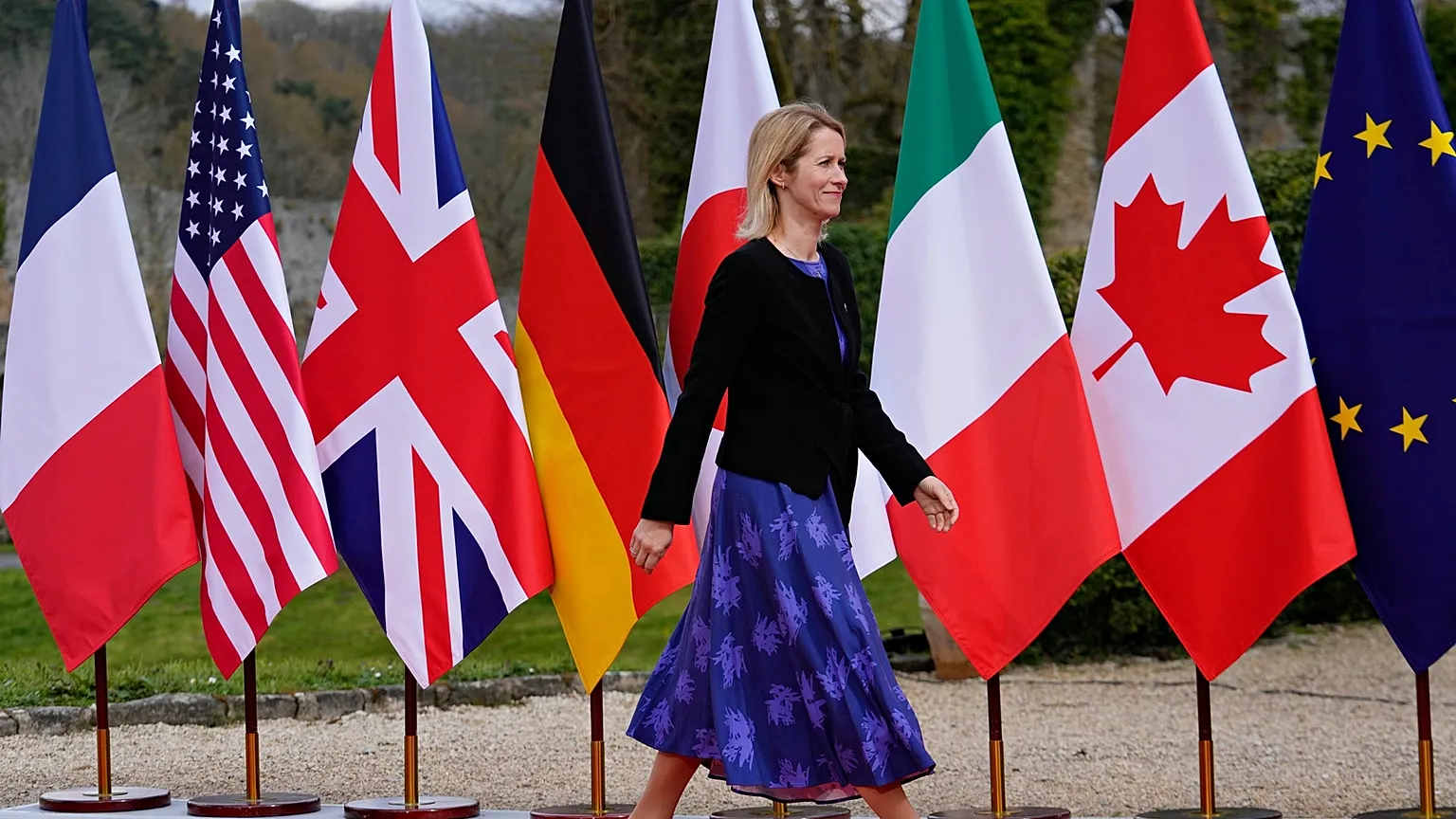
Two wars, one destabilizing axis.
Brussels, March 2026.
EU foreign policy chief Kaja Kallas has warned that the wars involving Iran and Ukraine should no longer be treated as separate crises. Her argument is that both are connected through Russia’s support structure, especially in the form of intelligence cooperation, military assistance and the broader strategic logic of destabilization. That framing matters because it pushes Europe to see these conflicts not as parallel emergencies, but as parts of the same geopolitical architecture.
What makes her statement significant is the way it reframes the discussion. Instead of isolating the Middle East crisis from the war in Ukraine, Kallas suggests that Moscow is helping sustain a wider chain of escalation that stretches across regions. In that reading, pressure on Iran without pressure on Russia is incomplete, because Russia helps reinforce the capabilities and networks that make Iranian projection more dangerous.
There is also a clear strategic message behind this. Europe fears that growing instability involving Iran could distract international attention, resources and diplomatic energy away from Ukraine just as Russia continues to press its war effort. Kallas’s intervention therefore works on two levels at once. It identifies a connection between conflicts, and it warns against allowing one crisis to weaken resolve in another.
Her comments also carry an implicit message for Washington. The underlying logic is that if the United States wants to contain Iranian escalation, it cannot ignore the Russian role in sustaining the broader environment of confrontation. That does not mean both conflicts are identical. It means they are increasingly entangled through networks of support, opportunistic alignment and shared interests in weakening Western cohesion.
The broader importance of this argument lies in how Europe is trying to understand the current security order. Brussels is moving away from a view of crises as isolated events and toward a model in which wars, sanctions, arms flows, intelligence ties and energy shocks are treated as mutually reinforcing. Under that framework, Russia is not only a belligerent in Ukraine. It becomes part of a wider destabilizing system that affects multiple theaters at once.
If that reading gains traction, the policy consequences could be substantial. It would mean Europe and its partners may need to think in more integrated terms, linking Ukraine, Iran, sanctions, military aid and regional deterrence into one strategic map rather than treating each as a separate file. In practical terms, Kallas is arguing that security can no longer be managed one crisis at a time.
What emerges from her warning is a harder geopolitical truth. The contemporary conflict landscape is increasingly networked. States do not escalate only through direct confrontation, but through partnerships, indirect support and the strategic use of overlap between wars. That is why Kallas’s message matters. She is not only describing two conflicts. She is describing a system.
Phoenix24: claridad en la zona gris. / Phoenix24: clarity in the grey zone.