

 Phoenix 24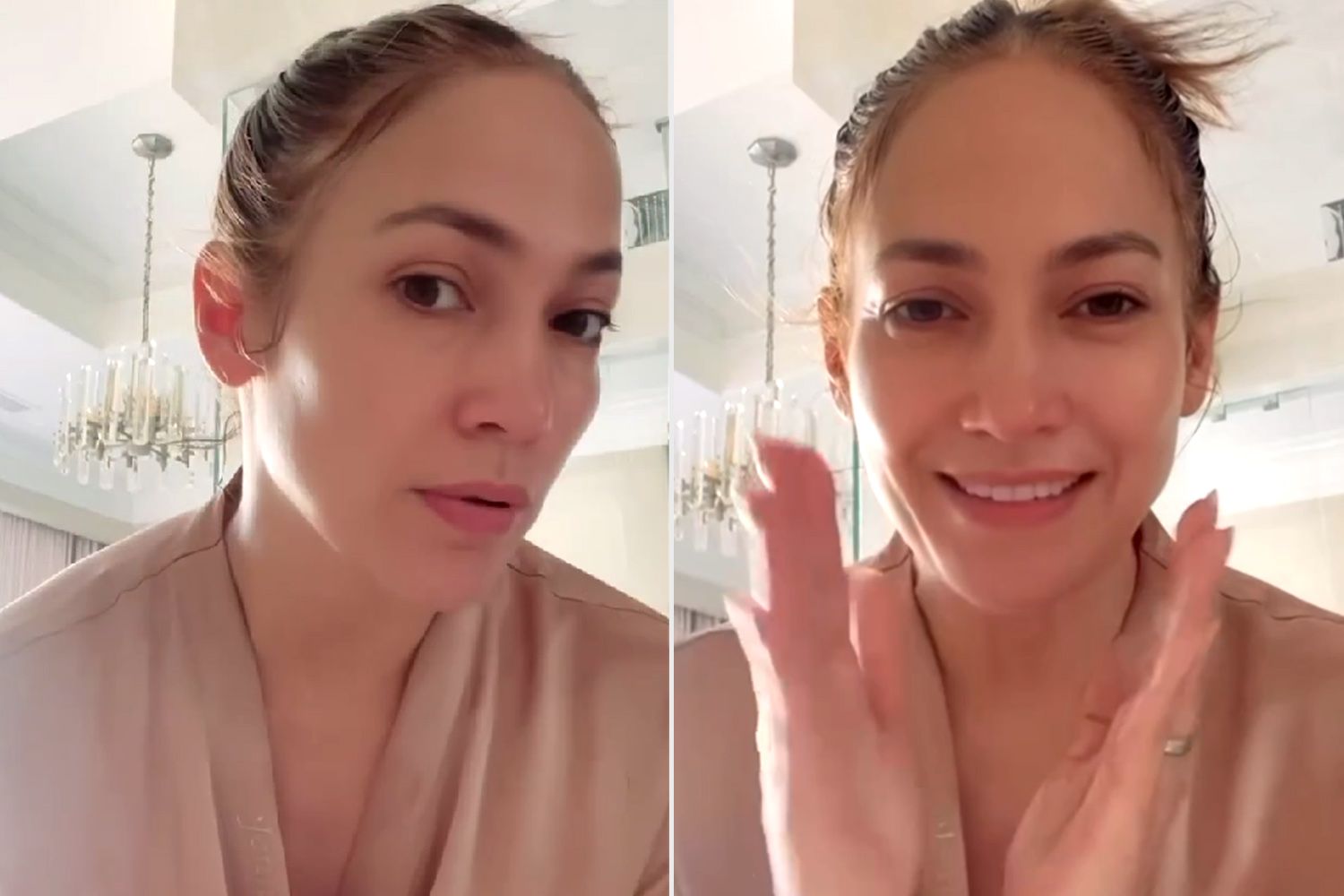
Authenticity has become beauty’s most profitable language.
Los Angeles | June 2026. Jennifer Lopez appeared on social media without makeup and newly awake to promote a new skincare product, turning an intimate image into a polished marketing moment. The post fits a broader beauty-industry strategy: selling naturalness, freshness and vulnerability as part of a carefully managed celebrity brand.
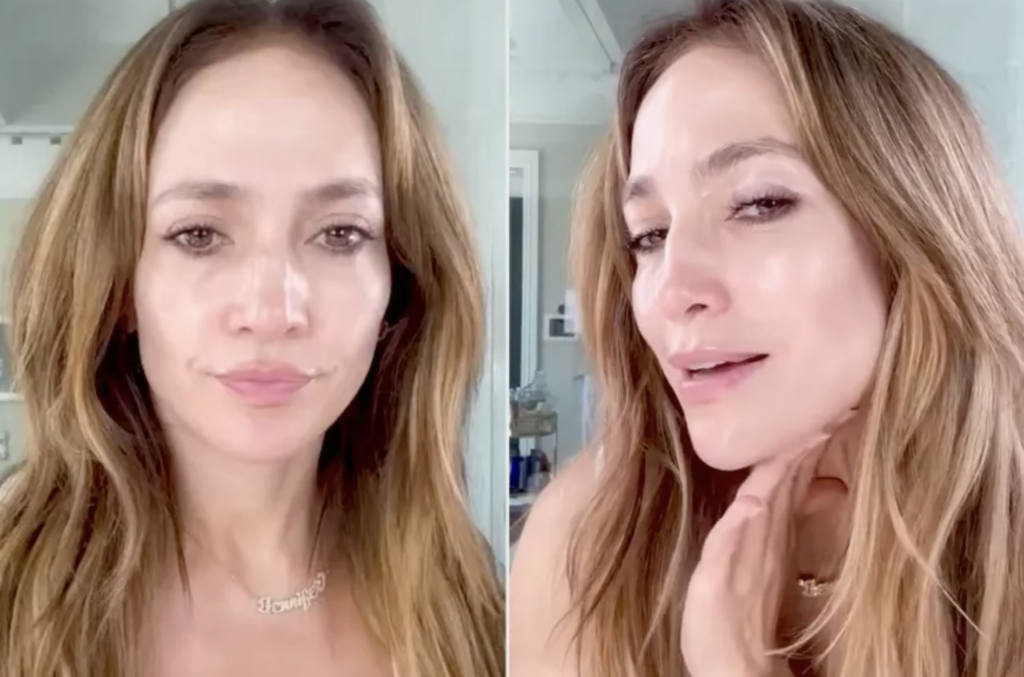
The campaign presents the face as evidence. By showing herself without visible glam preparation, Lopez reinforces the promise behind her skincare line: that discipline, routine and product loyalty can sustain a luminous appearance. Yet the message also depends on a cultural illusion, because celebrity beauty is rarely just the result of one cream, one serum or one morning habit.
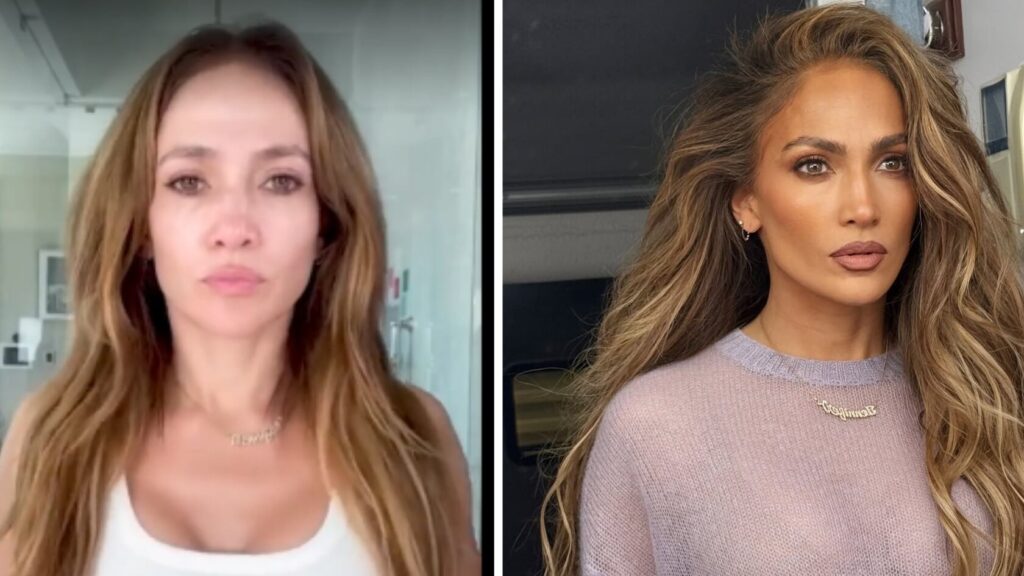
The appeal is obvious. Audiences want proximity, and the “just woke up” format creates the impression of access to a private version of the star. For celebrities, that access is commercially powerful because it transforms trust into consumption.

Lopez has long built her public image around performance, discipline and controlled reinvention. Her skincare promotion extends that formula into the beauty market, where the body becomes both brand and proof of concept. The product is not only sold as cosmetics, but as participation in a lifestyle.

The deeper question is not whether the image is real, but what it asks the public to believe. In modern celebrity culture, authenticity is rarely outside the market. It is often the market’s most effective costume.
Narrative is power too. / La narrativa también es poder.