

 Phoenix 24
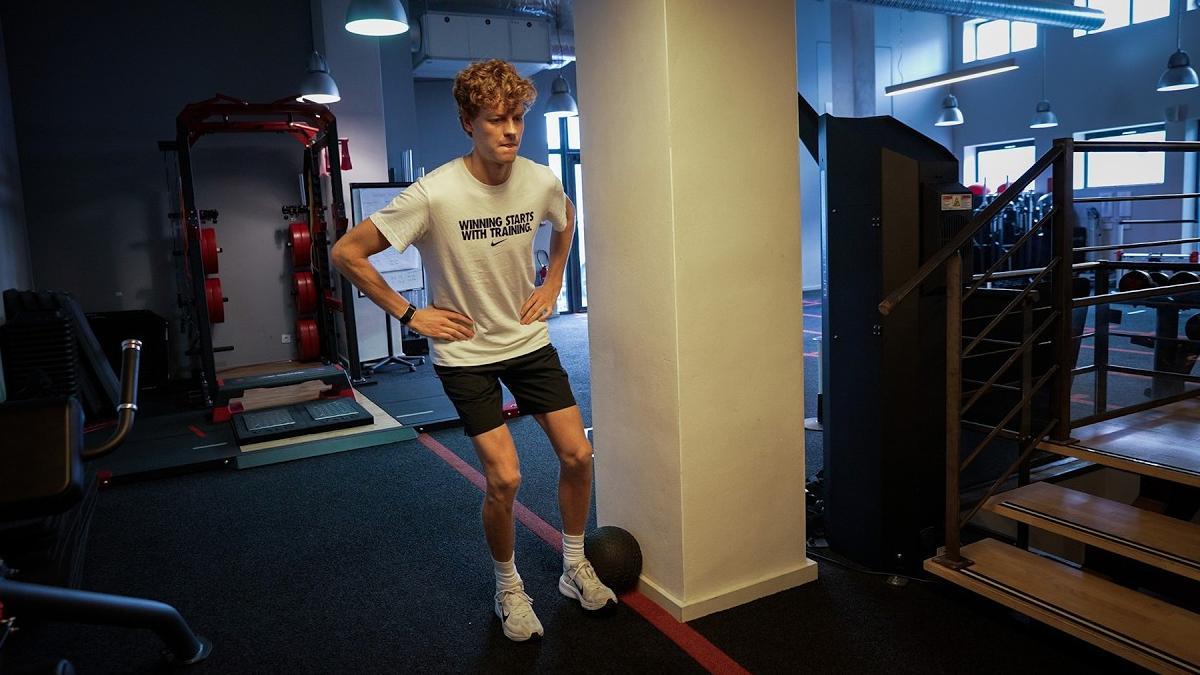
Prize money tells only part of his success.
ROME
At just 25 years old, Italian tennis star Jannik Sinner has transformed his extraordinary sporting achievements into a multimillion-dollar business built on tournament victories, international sponsorships and commercial partnerships. The five-time Grand Slam champion has accumulated more than $70 million in official career prize money, according to ATP figures updated in November 2026. However, his growing financial influence extends beyond competition, reflecting how elite athletes increasingly operate as global commercial brands.
According to Forbes’ 2026 ranking of the world’s highest-paid tennis players, Sinner generated an estimated $58 million in earnings during the 12 months preceding the US Open. Approximately $23 million came from tennis-related earnings, while another $35 million originated from sponsorships and other commercial activities. The figures positioned him ahead of Spanish rival Carlos Alcaraz, whose estimated annual earnings reached $53.7 million, making Sinner the sport’s highest-paid player during the period examined.
His accumulated wealth is more difficult to establish with precision. Celebrity Net Worth estimates his personal fortune at approximately $80 million, although such calculations are based on publicly available information rather than independently audited financial disclosures. Career prize money, annual commercial income and personal net worth represent different financial measures, particularly because gross earnings do not account for taxes, management expenses, investments or contractual obligations.
Sinner’s commercial portfolio reflects his international appeal. His partnerships include Nike, Rolex, Gucci, Head and several prominent Italian companies, including Lavazza and De Cecco. In January 2026, he also announced a collaboration with insurance group Allianz, expanding his presence beyond sportswear and luxury goods. These relationships demonstrate how athletic performance, brand reputation and commercial credibility can combine to generate substantial income independently of tournament results.
His financial development has accompanied an exceptional sporting trajectory. Born in San Candido, Italy, in August 2001, Sinner initially demonstrated considerable talent in alpine skiing before concentrating on professional tennis. His rise to the top of the ATP rankings and subsequent Grand Slam victories established him as one of the defining competitors of his generation, while his rivalry with Alcaraz helped attract international attention to men’s tennis.
The 2026 season nevertheless illustrated the vulnerability of even the most successful sporting careers. After winning Wimbledon in July, Sinner experienced a knee injury that prevented him from participating in subsequent tournaments. In October, he confirmed that he would not compete again during the remainder of the year, prioritizing recovery and his long-term professional future. The interruption demonstrated why financial diversification can be important for athletes whose competitive availability depends on physical condition.
The scale of Sinner’s earnings also reveals a broader transformation in professional tennis. Leading players increasingly derive substantial revenue from licensing arrangements, endorsements and commercial activities, while tournament prize money remains closely connected to performance and participation. Yet this financial model is far less accessible to lower-ranked competitors, many of whom must manage considerable travel, coaching and training expenses without comparable sponsorship income.
For Sinner, the challenge now involves balancing competitive ambition, commercial commitments and long-term financial management. His accumulated earnings provide substantial economic opportunities, but estimates of future wealth remain dependent on investment decisions, contractual arrangements and continued commercial relevance. The distinction between exceptional income and sustainable financial security is especially important in professional sport, where careers can change unexpectedly.
At 25, Sinner has already achieved a level of sporting and financial success reached by relatively few athletes. His experience illustrates how excellence on the court can establish the foundations of a broader economic enterprise, while also demonstrating that commercial success depends on decisions extending far beyond the final point of a tennis match.
Beyond the Numbers, the Consequences.