

 Phoenix 24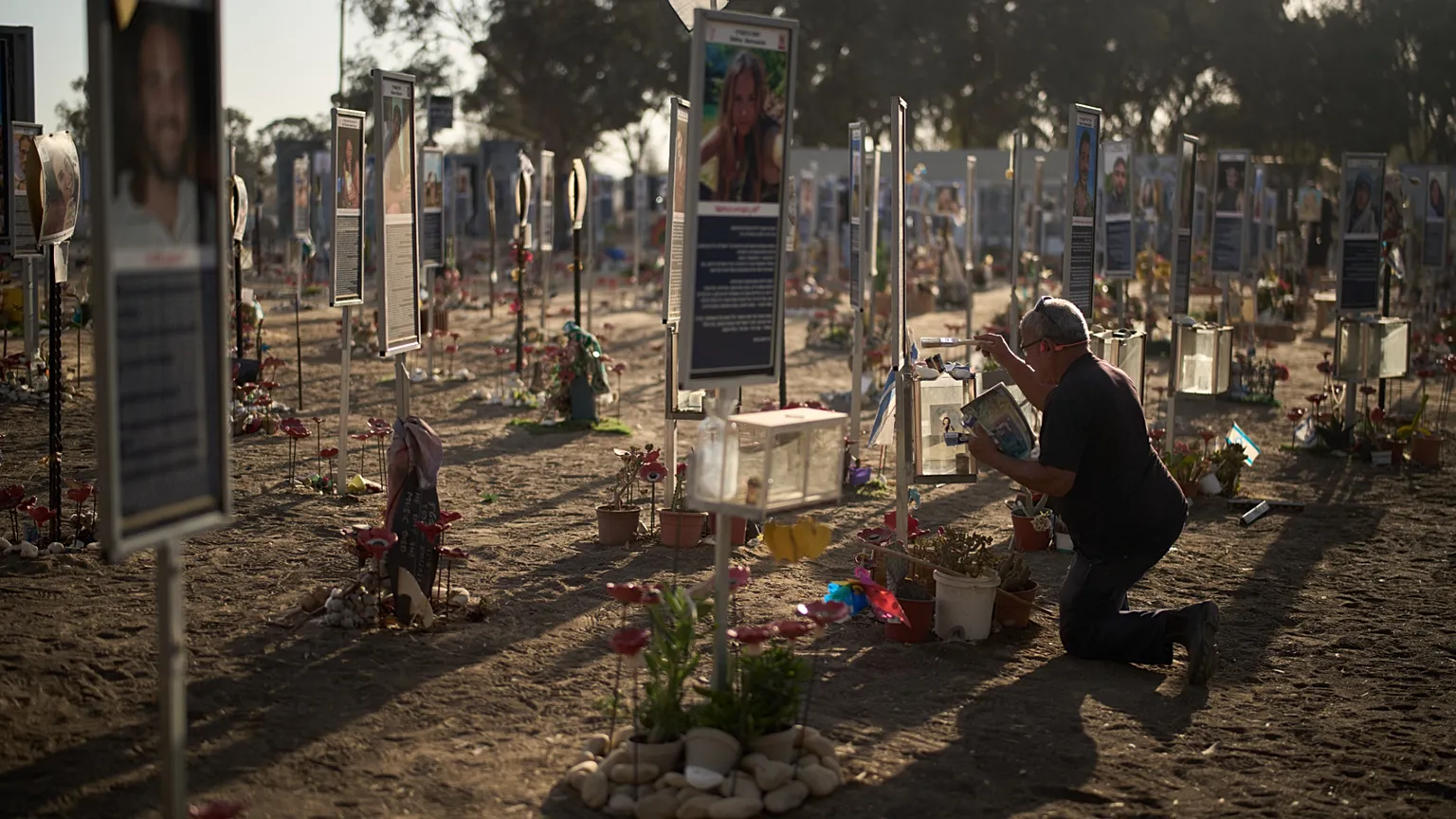
Memory becomes a political battlefield, and remembrance turns into a tool of resilience.
Jerusalem, October 2025
Israel has entered a solemn day of remembrance marking two years since the Hamas-led assault of October 7, 2023, one of the deadliest days in the country’s modern history. Across the nation, sirens sounded at 8:00 a.m., halting traffic and daily life as citizens observed a moment of silence in memory of the more than 1,200 people killed during the coordinated attacks. From Tel Aviv to Be’er Sheva, survivors, relatives of the dead, and state officials gathered for ceremonies that reflected how deeply that day still shapes Israel’s national consciousness.
President Isaac Herzog and Prime Minister Benjamin Netanyahu delivered speeches that blended grief with defiance. Herzog described October 7 as “a wound that still bleeds through the heart of our nation,” while Netanyahu vowed that Israel would “never allow such darkness to return.” He also reaffirmed his government’s commitment to dismantling Hamas’ military capabilities, declaring that Israel’s security “must always come before political convenience.”
The commemorations come amid renewed ceasefire talks in Cairo aimed at securing the release of hostages still held by Hamas. Families of those captives marched in Tel Aviv demanding stronger government action, accusing leaders of prioritizing military goals over the return of their loved ones. Their protest, now a recurring feature of public life, underscores the domestic tension between national security imperatives and humanitarian demands.
At the military cemetery on Mount Herzl, relatives of fallen soldiers lit candles and laid wreaths, while survivors of the original attacks recounted stories of trauma, resilience, and survival. Mental health professionals warn that Israel continues to face a nationwide crisis of post-traumatic stress, with public support programs struggling to meet demand even two years after the attacks.

International responses mirrored the day’s significance. U.S. Secretary of State Antony Blinken called October 7 “a reminder of the unbreakable bond between our nations,” pledging continued support for Israel’s right to defend itself. In Europe, leaders from Germany, France, and the United Kingdom issued a joint statement condemning terrorism and calling for renewed diplomatic momentum toward a two-state solution. Across the Middle East, analysts argue that the trauma of 2023 has reshaped Israel’s strategic posture, deepening cooperation with Gulf states and accelerating normalization efforts.
In parallel, rights groups and civic organizations in the Arab world held vigils to honor the thousands of Palestinians killed in the ensuing Israeli counteroffensive. The contrast between Israeli and Palestinian mourning highlights the contested narratives that continue to define the broader conflict, where commemoration itself becomes a space of political struggle.
For many Israelis, the anniversary serves not only as a moment of remembrance but also as a warning about vulnerability and the price of complacency. “We cannot let grief turn into paralysis,” said one survivor at a Tel Aviv ceremony. “To remember is to resist.”
Two years after the attacks, the wounds of October 7 remain far from healed. They shape Israel’s politics, identity, and diplomacy, influencing how the state envisions its future and how the world interprets its past.
Analysis that transcends power. / Análisis que trasciende al poder.