

 Phoenix 24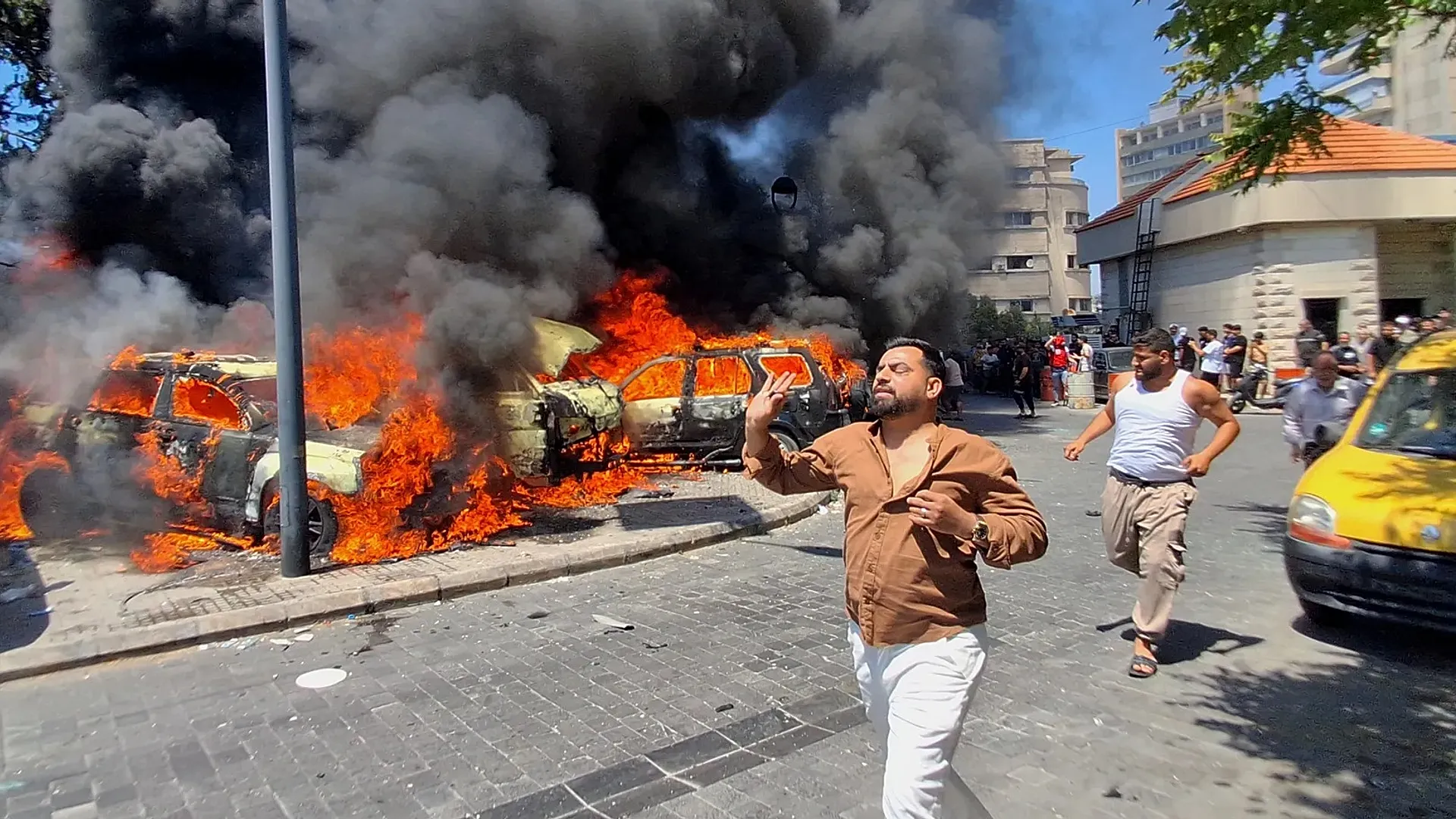
The Lebanese frontier is becoming a central arena in a wider regional struggle
Beirut, Lebanon | June 2026
Israel has intensified its aerial campaign across southern Lebanon, conducting a new wave of strikes against locations that Israeli authorities associate with Hezbollah’s military infrastructure. The escalation comes at a particularly sensitive moment for the region, as diplomatic efforts aimed at reducing tensions compete with renewed military activity on multiple fronts.
The strikes highlight the continuing strategic importance of southern Lebanon in Israel’s security doctrine. For decades, the border area has served as one of the most volatile fault lines in the Middle East, where local confrontations frequently intersect with broader geopolitical rivalries involving Iran, regional militias and international powers.
Israeli military planners view Hezbollah’s capabilities as one of the most significant security challenges facing the country. The group’s extensive missile arsenal, operational experience and regional alliances have made it a central factor in Israeli defense calculations. As a result, air power continues to be employed as a tool to disrupt potential threats before they can be translated into operational advantages.
For Lebanon, the consequences extend beyond military considerations. Communities in the south continue to face recurring displacement, economic disruption and uncertainty. Infrastructure damage, interrupted commercial activity and population movements contribute to a climate of instability that complicates recovery efforts in a country already dealing with significant economic and political challenges.
The latest escalation also illustrates the increasingly interconnected nature of regional conflicts. Events occurring in Gaza, Tehran, Washington or Damascus can rapidly influence security dynamics along the Lebanese border. Military actions are no longer isolated episodes but components of a broader strategic contest unfolding across multiple theaters simultaneously.
Whether the current wave of strikes remains limited or evolves into a wider confrontation will depend on decisions made far beyond the immediate battlefield. For now, southern Lebanon remains one of the most sensitive geopolitical pressure points in the Middle East, where local events continue to carry regional consequences.
Where borders become battlegrounds, regional stability becomes a distant horizon.
Donde las fronteras se convierten en campos de batalla, la estabilidad regional se convierte en un horizonte distante.