

 Phoenix 24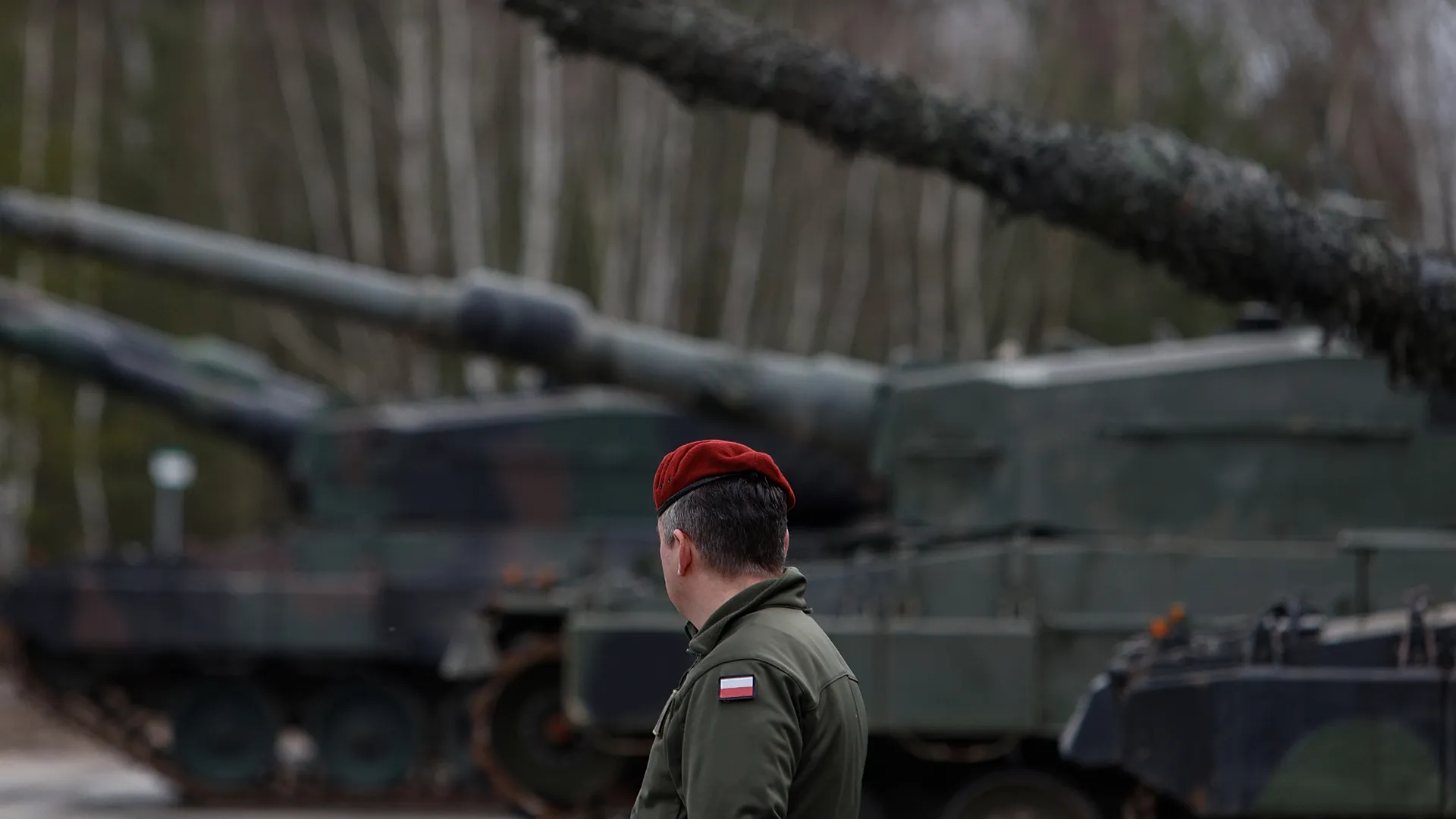
When a region that once dreamed only of peace begins to plan for conflict, the transformation reveals deep shifts in geopolitics, technology and collective memory.
Brussels, January 2026. Europe is accelerating efforts to strengthen its military capabilities in response to a series of strategic shocks that have unsettled the continent’s traditional security assumptions. The interplay between Russian military assertiveness, renewed great power competition and unpredictable conflicts on multiple fronts has driven capitals in Western, Central and Eastern Europe to revisit defence spending, industrial capacity and alliance structures. What was once framed as modernization has now taken on the language of preparedness, as policymakers, military leaders and strategic analysts ask whether the continent is ready not only to deter aggression but also to manage sustained combat operations in a highly complex geopolitical environment.
Europe’s security posture has evolved in response to events that have upended post-Cold War expectations. The full-scale invasion of Ukraine by Russia in 2022 served as a brutal reminder that territorial defence remains a central requirement for regional stability. That conflict revealed not only the limits of assumed peace dividends but also the risks of dependency on external sources for critical military supplies. In response, member states of the European Union and the North Atlantic Treaty Organization have redirected resources toward capabilities that can ensure both deterrence and resilience in the face of future crises.
Defence budgets across the continent have expanded steadily since the start of the decade, but the emphasis has shifted from incremental increases to sustained investment in force generation, readiness and modernization. Armies, air forces and navies are focusing on advanced systems that enhance interoperability and responsiveness. This includes the procurement of new armoured vehicles, defensive air systems, long-range precision weaponry and integrated command and control networks that can operate across national boundaries. The move reflects a consensus that Europe’s defence industrial base must be robust enough to support prolonged operations, not just brief interventions.
Institutionally, the European Union has strengthened cooperation through mechanisms that encourage joint procurement, research and capability development. A central principle underlying these efforts is the reduction of duplication and fragmentation that historically weakened European defence industries. By pooling resources, standardizing equipment and aligning strategic objectives, European states seek economies of scale and greater bargaining power in global defence markets. This approach mirrors efforts in other parts of the world where regional blocs have centralized defence efforts to leverage collective strength.
The North Atlantic Treaty Organization remains a cornerstone of European security. NATO’s collective defence guarantee, enshrined in its founding treaty, continues to be the ultimate deterrent against large-scale aggression. Recent alliance summits have emphasized the need for enhanced forward presence, rapid reinforcement capabilities and sustained readiness at high levels of alert. Member states in Eastern Europe, in particular, have called for persistent multinational deployments on their territories to reassure populations and deter potential adversaries. These deployments are seen not as provocation but as stability measures that signal unity and commitment to shared security commitments.
Europe’s rearmament efforts are not solely about hardware. Cybersecurity and information operations have become integral components of defence planning. The proliferation of advanced cyber threats, disinformation campaigns and digital espionage has pushed governments to invest in defensive and offensive cyber capabilities. These measures are designed to protect critical infrastructure, maintain operational security and ensure that societies are resilient to coercive tactics that target public trust and social cohesion.
The strategic environment also includes alliance partners outside Europe. The United States, while navigating its own strategic priorities in the Indo Pacific and Middle East, remains a key security partner. Transatlantic cooperation on intelligence, joint exercises and defence industrial collaboration continues to shape European planning. At the same time, Europe is seeking to diversify its strategic ties, including cooperation with states in Asia and the Mediterranean that share interests in stability and a balanced distribution of power. These extended networks reflect a recognition that security challenges increasingly transcend regional boundaries.
Investment in research and development is another pillar of Europe’s rearmament. Defence innovation programs are focusing on autonomy, artificial intelligence, sensor fusion and unmanned systems. The goal is to achieve technological edge while ensuring systems can operate effectively within integrated allied architectures. Academic institutions, defence firms and multinational technology consortia are all engaged in efforts to translate cutting-edge research into deployable capabilities. This integration of civilian and military innovation ecosystems is designed to sustain long-term competitiveness.
Despite these efforts, challenges remain. The sustainability of defence spending is a recurring debate in national parliaments where social programs, economic recovery and climate commitments compete for funding. Balancing domestic priorities with strategic imperatives requires careful calibration. Moreover, achieving true interoperability among diverse armed forces with differing procurement histories and doctrines is complex. Harmonizing logistics, training and maintenance across multiple national systems demands sustained political will and operational discipline.
Public opinion across Europe is another variable. Support for increased defence spending varies by country and by generation. Memories of past wars and a longstanding commitment to peace through diplomacy shape attitudes that are sometimes cautious about militarization. Governments must therefore engage their populations, explaining not only the costs but the strategic context that has made rearmament a subject of national discourse.
Training and recruitment also pose challenges. Modern militaries require highly skilled personnel capable of operating advanced systems. Attracting and retaining talent in a competitive labour market necessitates investment in professional development, benefits and career pathways that make military service appealing. This human dimension of defence is critical because systems are only as effective as the people who deploy and sustain them.
External actors are observing Europe’s rearmament with interest. In Asia, where similar debates about strategic balance and regional security persist, policymakers see parallels in Europe’s efforts to adapt to a changing security environment. In the Middle East, where a web of conflicts and great power involvement creates its own dynamics, European defence developments are monitored as part of broader assessments of global military balances. This interconnectedness underscores that Europe’s security choices resonate far beyond its continent.
The central question Europe confronts is not only whether it is prepared for war but whether it can shape conditions that make war less likely. Deterrence, by definition, is preventive. It is about convincing potential aggressors that the costs of conflict outweigh any perceived gains. Achieving that state of deterrence requires credible forces, resilient societies and clear political commitments. Europe’s ongoing rearmament efforts are aimed at building such credibility.
As these efforts unfold, policymakers and publics alike are navigating a landscape in which old assumptions about peace and security have been replaced by a recognition that preparedness matters. Armies with modern equipment, cyber defenses that can counter digital assaults and alliances that reinforce mutual commitments form the backbone of this new paradigm. Whether these measures will succeed in preventing conflict remains uncertain, but their adoption reflects a consensus that the status quo of the past decades is no longer viable.
Análisis que trasciende al poder.
Analysis that transcends power.