

 Phoenix 24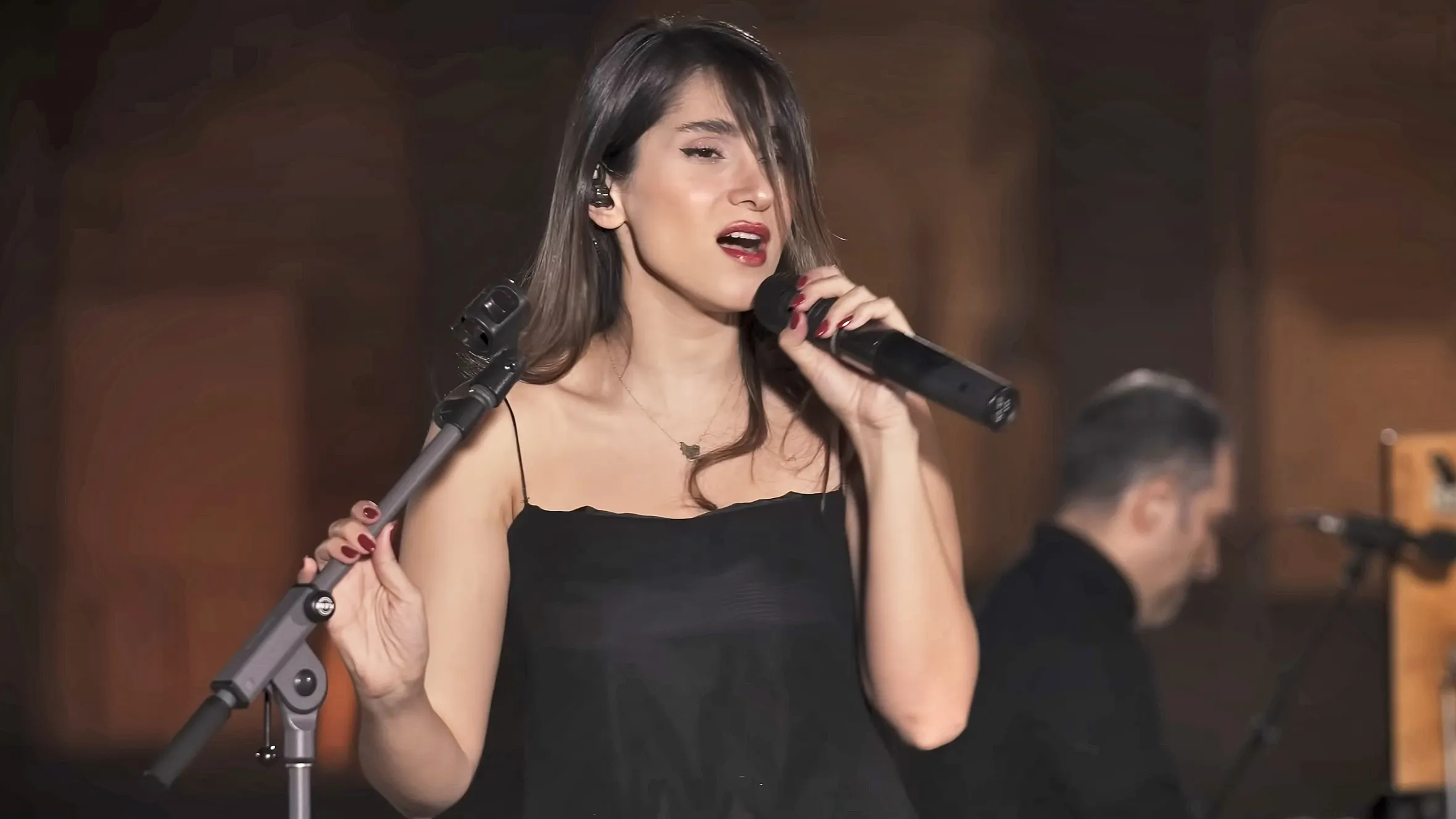
A performance without a hijab has become a wider test of artistic freedom.
Qom
An Iranian appeals court has upheld the sentence against singer Parastoo Ahmadi for performing without a hijab during a concert broadcast online in 2024. The ruling includes 74 lashes, a two year ban on artistic activity and a two year prohibition on leaving the country. Seven musicians and members of her team were also convicted in connection with the performance.
The case centers on a concert in which Ahmadi appeared without the mandatory head covering required under Iranian law and performed material later distributed online. Authorities argued that the performance violated public decency standards and involved the production and publication of content considered immoral under the country’s legal framework. Her lawyers challenged both the legal basis of the charges and the severity of the punishment.

The decision has drawn criticism from human rights advocates and legal specialists who argue that corporal punishment for artistic expression conflicts with international human rights standards. Critics have also questioned whether singing and publishing music can legitimately be treated as conduct justifying such penalties. Iranian authorities, by contrast, have continued to enforce laws regulating women’s appearance and public performance.
Ahmadi’s case has acquired additional significance because it comes after years of protests and social resistance surrounding compulsory hijab rules. Since the death of Mahsa Amini in 2022 after her detention by morality police, women removing the hijab in public have become one of the most visible forms of dissent inside Iran. Artists, actors and musicians have frequently become focal points because their actions reach audiences far beyond individual demonstrations.

The sentence also illustrates how cultural regulation in Iran extends beyond dress codes. Female singers already face substantial restrictions on solo public performances, while artists can encounter travel bans, professional limitations and criminal proceedings when their work is interpreted as challenging official norms. These measures make cultural production inseparable from political and social control.
Ahmadi’s lawyers have emphasized that the court had alternatives available that would have avoided corporal punishment. The confirmation of the sentence therefore reinforces concerns that authorities are using highly visible penalties to discourage similar acts of defiance.
The case is no longer only about one singer or one concert. It has become part of a broader struggle over whether artistic expression, personal autonomy and state enforced morality can coexist within Iran’s current legal order.
Against propaganda, memory.