

 Phoenix 24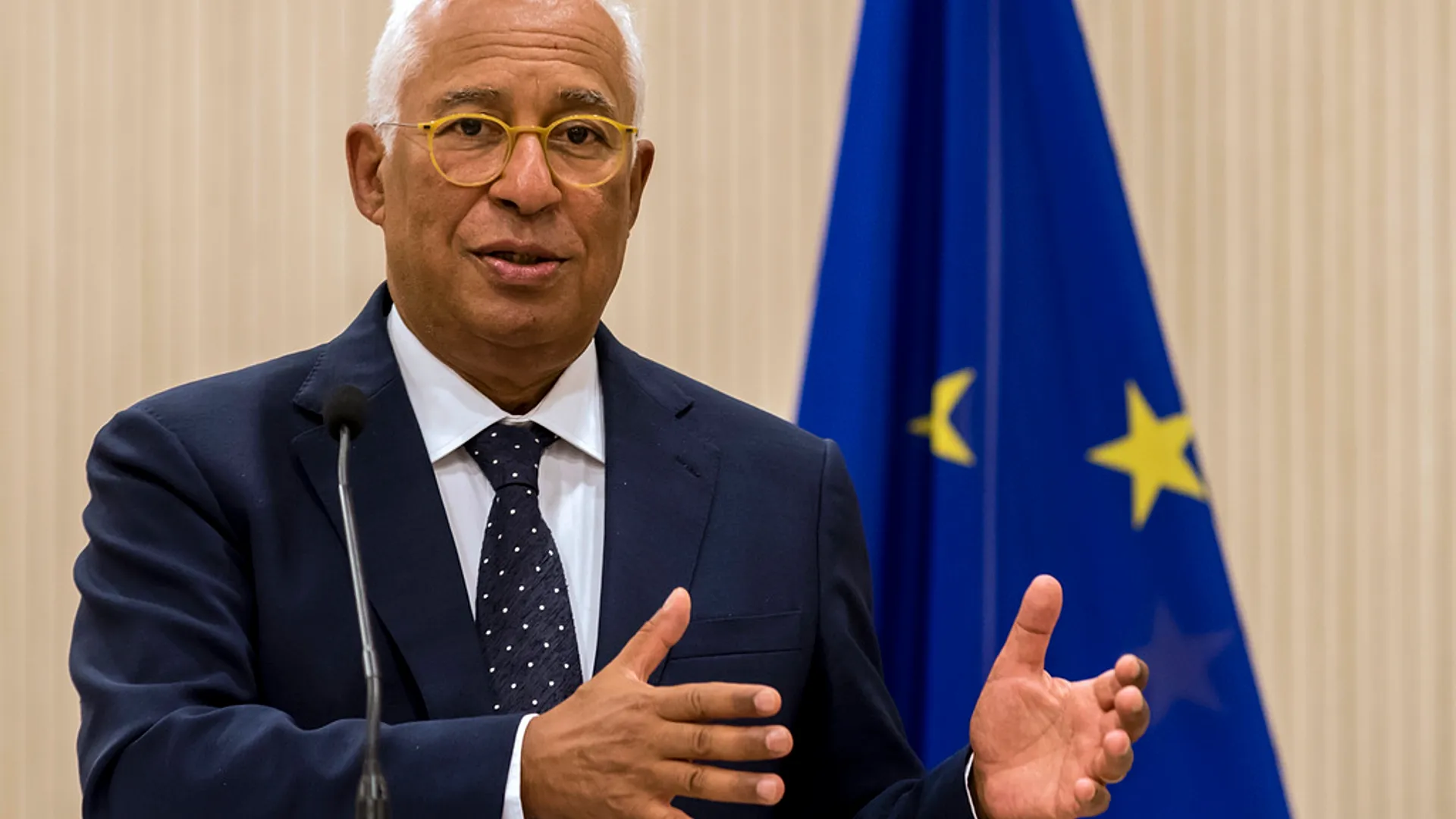
A growing demand for strategic independence is reshaping Europe’s identity, pushing the bloc to rethink its alliances and redefine its global role.
Madrid, September 2025
António Costa, President of the European Council, issued one of the most direct calls yet for European strategic autonomy, warning that the European Union will never achieve genuine sovereignty if it remains dependent on outside powers for its defence. Speaking at the Fórum Europa award ceremony, Costa argued that Europe’s current security posture, shaped for decades by reliance on the United States and NATO, is no longer sustainable in an era of shifting geopolitical realities and systemic competition.
According to Costa, Europe’s dependence on external military support has become not just a strategic weakness but a fundamental obstacle to its political agency. He insisted that soft power, including diplomacy, shared values and cooperation, is insufficient in a global context defined by coercion, technological disruption and hard power competition. True sovereignty, he said, demands a credible military capacity under European command, one that can act independently when interests diverge from those of Washington or other partners.
The urgency of Costa’s message is heightened by the rapidly evolving strategic environment. The war in Ukraine continues to drain European stockpiles and expose dependence on U.S. weapons systems, logistics and intelligence. In the Indo-Pacific, growing Chinese assertiveness is reshaping security calculations, while instability in the Sahel and the Red Sea underscores Europe’s inability to project force beyond its borders without external backing. Across the continent, policymakers are beginning to recognize that economic power alone cannot safeguard European interests in a world where geopolitical influence increasingly flows from military strength.
Several European states are already taking steps toward a more autonomous posture. Germany has embarked on a sweeping modernization program for its armed forces, committing billions of euros to build domestic capabilities and reduce reliance on non-European suppliers. France continues to push for the development of a European intervention force capable of rapid deployment beyond NATO’s remit. Meanwhile, smaller nations such as Sweden and Finland, now NATO members, advocate deeper defence industrial cooperation within the EU, emphasizing that sovereignty requires more than shared values; it requires shared hardware, command structures and production capacity.
The debate is far from settled. Eastern European countries, particularly Poland and the Baltic states, argue that U.S. security guarantees remain indispensable given Russia’s unpredictable aggression. Yet even these frontline states acknowledge that a stronger European pillar within NATO could bolster deterrence and improve burden-sharing. Officials in Brussels are now exploring how EU defence initiatives, such as the Permanent Structured Cooperation (PESCO) and the European Defence Fund, can complement NATO rather than compete with it, an approach some analysts describe as “strategic symbiosis.”
Washington’s perspective adds another layer to the debate. U.S. officials have long encouraged Europe to assume greater responsibility for its own defence, but there is unease about the potential implications for transatlantic cohesion. Some American policymakers fear that a fully autonomous European defence capability could dilute NATO’s political unity or complicate decision-making in future crises. Others, however, view European autonomy as a stabilizing force that could free U.S. resources for challenges in the Indo-Pacific.
The discussion resonates far beyond Europe. In Asia, Japan and South Korea offer instructive parallels. Both countries maintain strong alliances with Washington while simultaneously investing heavily in domestic defence capabilities and indigenous weapons programs. Their approach reflects an understanding that alliances are most effective when partners bring substantial capabilities to the table, a principle that European leaders are now beginning to internalize. Meanwhile, nations in Southeast Asia are pursuing “strategic hedging” strategies, balancing alliances with indigenous capacity-building to avoid overdependence on any single power.
Costa’s warning also carries industrial and technological implications. Building a credible European defence capacity requires not only political will but also a robust industrial base, advanced research and development, and coordinated procurement. Europe’s fragmented defence market, with dozens of overlapping weapons programs and competing national priorities, remains a major obstacle. Initiatives aimed at consolidating procurement, standardizing platforms and fostering joint innovation are gaining traction, but experts caution that achieving true autonomy will require decades of sustained effort and political discipline.
Ultimately, Costa’s message is less about breaking away from existing alliances and more about rebalancing them. The transatlantic partnership will remain central to European security, but a Europe capable of defending itself will be a more equal and influential partner, one that can shape global strategy rather than merely react to it. As Costa put it, “Freedom is not a gift; it is the result of capacity.”
The coming decade may well determine whether Europe transforms its security rhetoric into reality. If the continent continues to outsource its defence, it risks strategic irrelevance in an increasingly multipolar world. But if it embraces the challenge of autonomy, building the institutions, capabilities and political cohesion required for independent action, it could emerge as a genuine global power, capable of defending its values and interests without relying solely on others.
Every silence speaks. / Cada silencio habla.