

 Phoenix 24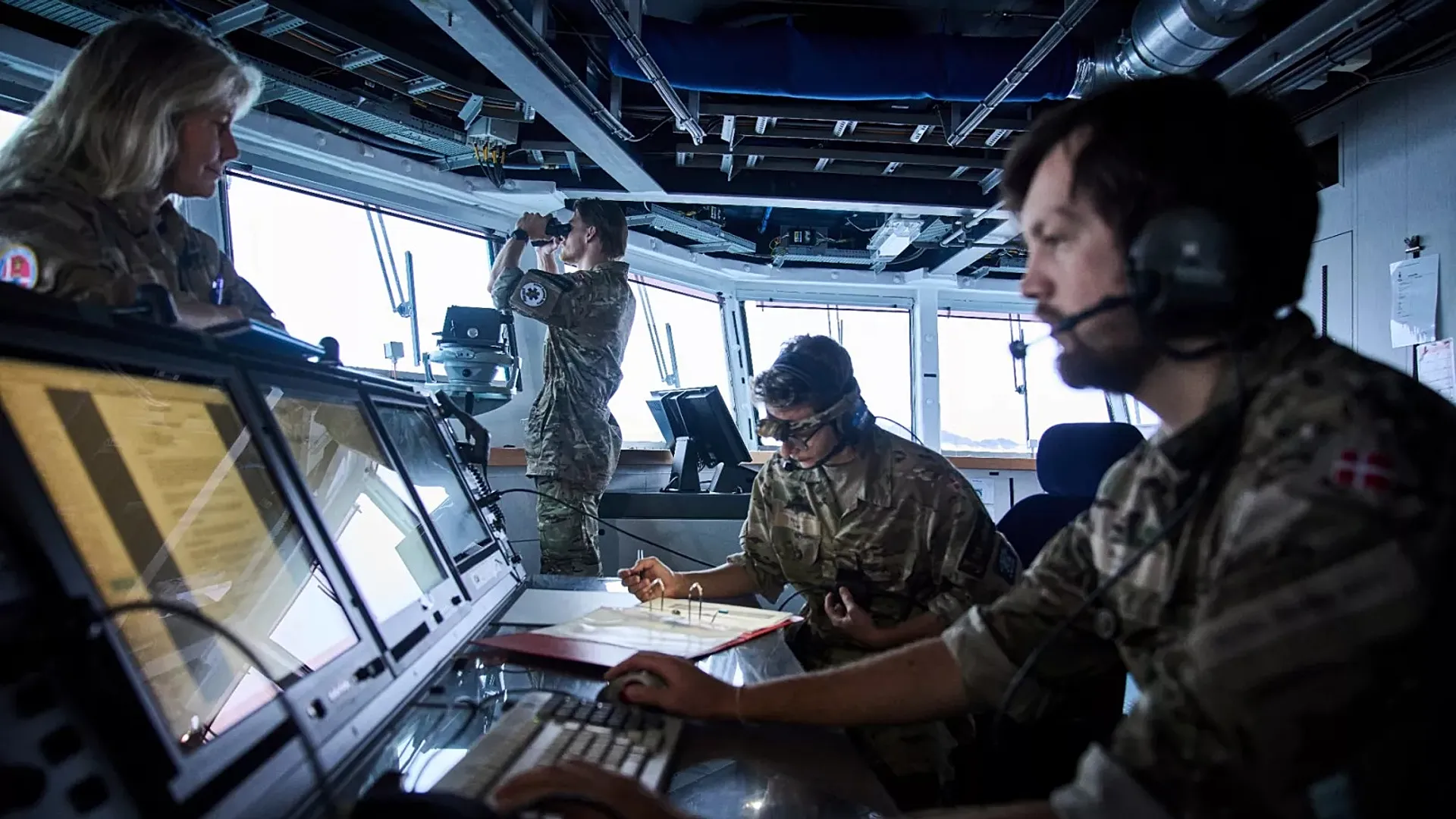
When a territory becomes more valuable than the words used to defend it, diplomacy turns into a struggle over symbols, fear, and control of the future.
Nuuk, January 2026. Greenland and NATO leaders moved quickly to project unity after renewed rhetoric from Donald Trump suggesting that the vast Arctic island should fall under United States control. The statements, framed as strategic necessity, reopened an old wound in transatlantic politics and forced Europe and NATO to respond not only with words, but with visible security commitments.
Greenland’s leadership was categorical. The island is not for sale, not for negotiation, and not a geopolitical bargaining chip. Its security, they argued, belongs within the NATO framework and under the sovereignty structure it already has through Denmark. What alarmed European capitals was not just the content of Trump’s remarks, but the tone: annexation language, even when rhetorical, destabilizes alliances built on mutual respect for borders.
The Arctic is no longer a frozen margin of world politics. Melting ice has opened new sea routes, revealed energy and mineral corridors, and turned once-remote territories into strategic assets. Greenland sits at the center of this transformation. It hosts key early warning systems, lies near critical transatlantic routes, and anchors the northern flank of NATO’s defense architecture. Any suggestion of unilateral control over it is automatically read as a challenge to alliance balance.
NATO’s response was deliberate. Officials emphasized reinforcement of Arctic surveillance, joint exercises in the High North, and tighter coordination with Denmark and Greenlandic authorities. The goal was not escalation, but reassurance: to signal that security in the Arctic is collective, not transactional.
Behind the official language lies anxiety. Trump’s annexation rhetoric revives fears that internal fractures within the Western bloc could become more dangerous than external threats. If an ally speaks the language of territorial acquisition, even symbolically, it weakens the moral and legal foundations used to criticize similar behavior by rival powers.
Europe reacted sharply. Several European officials warned that any attempt by the United States to impose control over Greenland would represent a rupture inside NATO itself. The message was blunt: alliance membership does not grant license to redraw internal borders.
This tension emerges at a moment when the Arctic is becoming a central theater of great power competition. Russia has expanded its northern military infrastructure, reopened Cold War bases, and increased patrols. China, though geographically distant, has branded itself a “near-Arctic state,” investing in research stations, shipping ambitions, and resource partnerships. For Washington, Greenland is a strategic anchor against these movements. For Europe, it is a test of whether security can still be based on rules rather than dominance.
Greenland’s own position is complex. It is autonomous but linked to Denmark. It seeks economic development, greater political voice, and long-term sustainability. Being transformed into a symbol of global rivalry risks reducing its people to spectators of decisions made far away. Every foreign statement about Greenland’s future echoes louder in Washington and Brussels than in Nuuk, yet the consequences will be lived locally.
NATO leaders now face a dual task. Externally, they must deter Russia and monitor China. Internally, they must manage alliance coherence. The Arctic becomes not just a frontier against rivals, but a mirror reflecting internal contradictions.
Trump’s rhetoric does not exist in a vacuum. It taps into a broader trend where power is spoken of in territorial terms again. Influence is imagined as possession. Security is described as ownership. This language clashes directly with the postwar order built on sovereignty, treaties, and multilateral restraint.
That is why the Greenland episode matters beyond the Arctic. It shows how quickly the language of force can re-enter even friendly political spaces. It also shows how fragile alliances become when one actor speaks in terms others associate with threat.
NATO’s reinforcement plans are therefore as much psychological as military. They aim to reassure Greenland and Denmark, calm European allies, and quietly remind Washington that leadership requires discipline as well as strength.
For Greenland, the moment is paradoxical. Its strategic value has never been higher, but that value brings exposure. The more important it becomes, the more others will speak for it. Sovereignty, in this context, is not only a legal condition but a daily negotiation of narrative.
What unfolds in the Arctic now will shape how the West handles internal dissent about power. Will it reaffirm collective rules, or drift toward a logic where strength alone defines legitimacy?
The ice is melting, routes are opening, and power is moving north. But the deeper change is rhetorical. The words used to describe security are changing. And when words change, behavior often follows.
Greenland stands not just at the top of the world, but at the fault line between two ideas of order: one based on cooperation, the other on possession.
Which one prevails will define not only the Arctic, but the future grammar of global power.
Detrás de cada dato, hay una intención. Detrás de cada silencio, una estructura.