

 Phoenix 24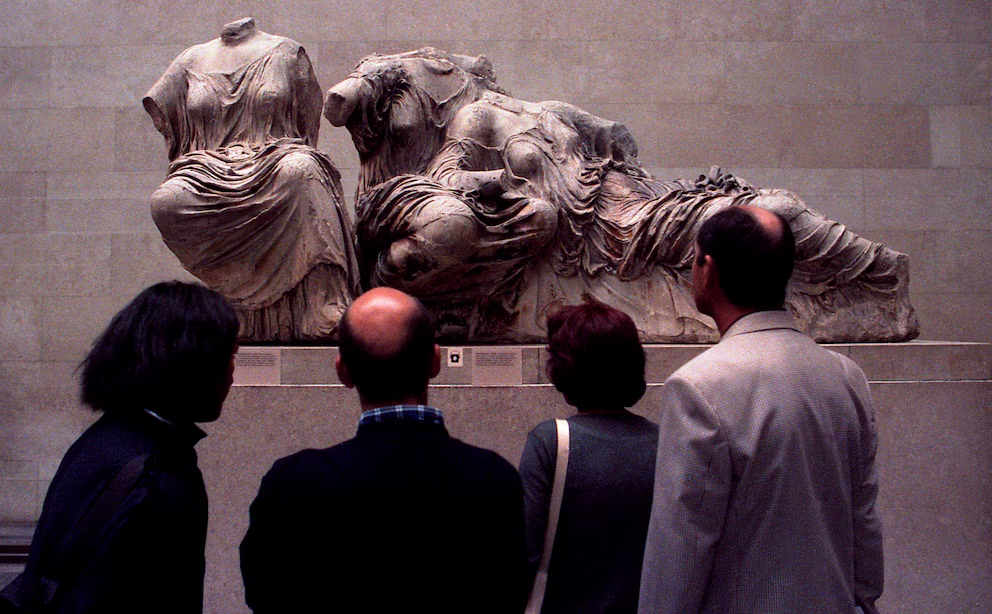
A two century dispute is again testing cultural diplomacy.
Athens
Greece has renewed its demand for the permanent reunification of the Parthenon sculptures held by the British Museum, placing fresh pressure on the United Kingdom to resolve one of Europe’s longest running cultural disputes. Prime Minister Kyriakos Mitsotakis argued that the issue now requires political will and the courage to move beyond decades of negotiation. Athens insists that the surviving sculptures should be viewed together in the city and architectural context for which they were created. The dispute therefore concerns not only ownership, but the integrity of a monument that remains physically divided between Athens and London.
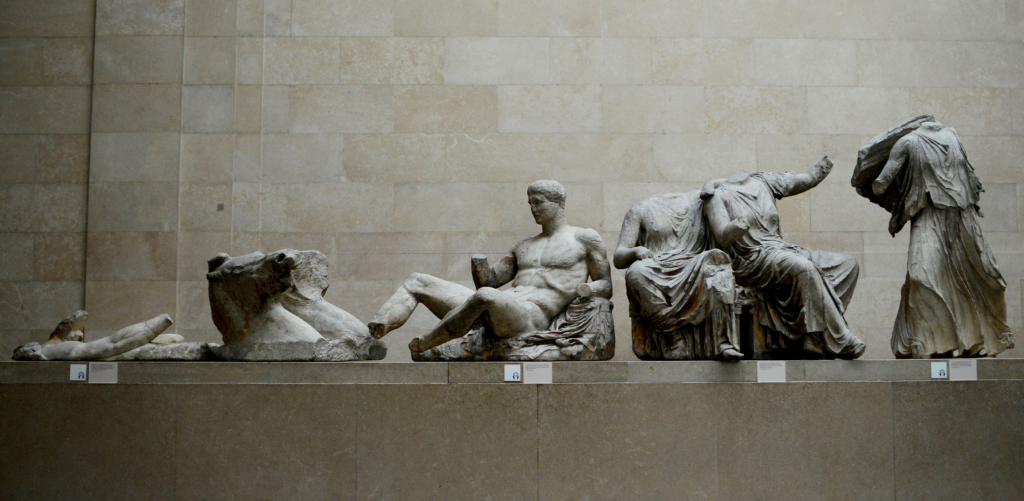
The sculptures were removed from the Parthenon in the early nineteenth century by Lord Elgin while Greece was under Ottoman rule. Britain has historically maintained that Elgin acquired them legally before selling them to the British Museum, while Greece disputes the legitimacy of their removal and describes their separation from the monument as culturally unacceptable. British legislation adopted in 1963 also restricts the museum’s ability to permanently dispose of objects in its collection. That legal framework has complicated attempts to reach a lasting agreement.
Mitsotakis has rejected the idea that a conventional loan could solve the dispute. Greece does not want to acknowledge British ownership and then temporarily borrow elements it considers inseparable from the Parthenon itself. The Greek government instead argues for permanent reunification at the Acropolis Museum, where surviving sections of the sculptures already held in Athens can be displayed within sight of the ancient temple.
Recent discussions between Greece and the British Museum have explored possible forms of cultural partnership, including exchanges of antiquities and broader institutional cooperation. Yet negotiations have not produced a definitive settlement. The museum has continued to express openness to an agreement, while the British government has generally maintained that decisions regarding the sculptures belong to the institution rather than Downing Street.
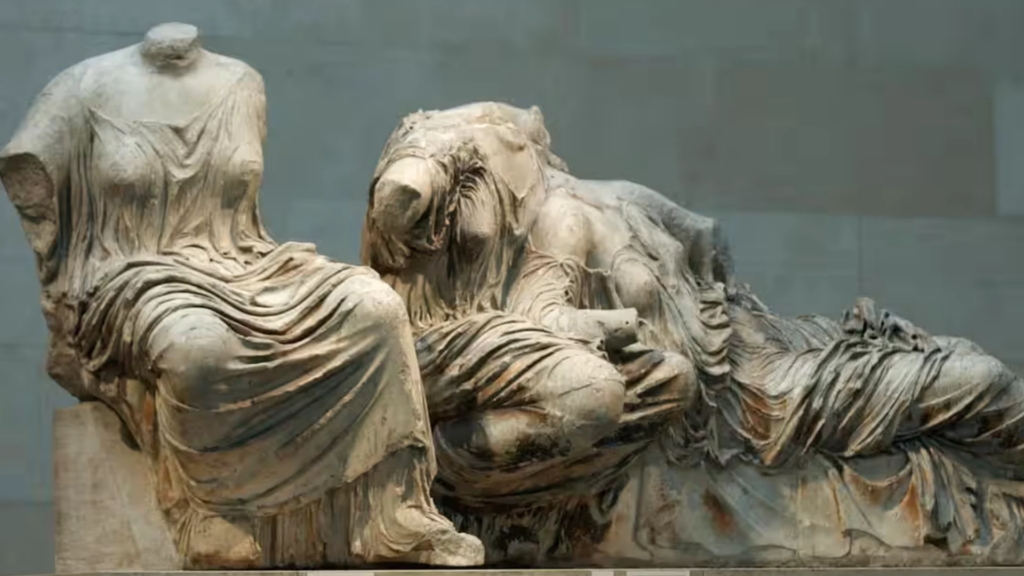
The disagreement now carries significance beyond Greece and Britain. Museums worldwide are confronting increasingly complex questions about restitution, colonial era acquisitions and whether cultural objects should remain where they have been preserved for generations or return to the societies and monuments from which they originated. The Parthenon sculptures have become one of the most visible symbols of that global debate.
After more than two centuries, the central question remains unresolved. Cultural diplomacy may determine whether one of antiquity’s most important surviving ensembles continues divided or is eventually reunited in Athens.
Hechos que no se doblan. / Facts that do not bend.