

 Phoenix 24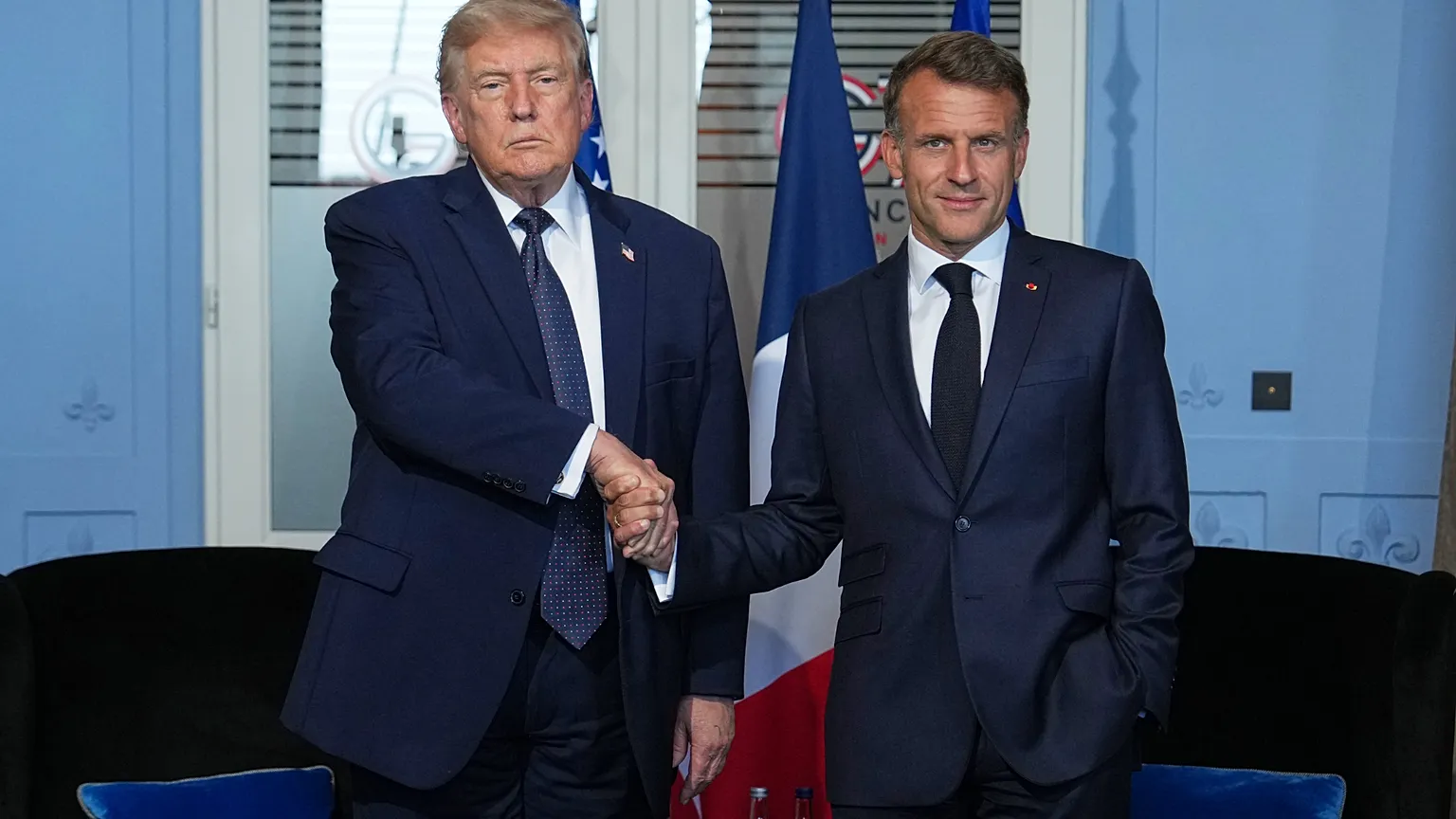
Strategic reserves are being used again, but they cannot solve a refining shortage alone.
Paris
The G7 has agreed to release up to 100 million barrels of oil and diesel from strategic reserves over four months in an effort to ease pressure on energy prices and address tightening diesel supplies. The move will be coordinated through the International Energy Agency, with a substantial quantity of diesel expected to reach the market during the first 20 days.
France, which currently holds the G7 presidency, presented the decision as a coordinated response to mounting energy pressure. If distributed evenly across four months, the release would amount to roughly 830,000 barrels per day. The actual market effect, however, will depend on how quickly participating countries release their stocks and on the composition of those reserves.
The agreement followed growing pressure from the United States. Washington had urged European governments and other partners to release emergency reserves as diesel prices climbed sharply. The Trump administration also raised the possibility of restricting US diesel exports if allies failed to act, a threat that generated criticism in Brussels and increased tensions over burden sharing.
A telephone conversation between Donald Trump and French President Emmanuel Macron appears to have helped break the impasse. The final G7 package goes beyond reserve releases and includes efforts to increase refinery output while avoiding new restrictions on trade in energy and petroleum products among partner countries.

The central difficulty is that crude oil and diesel are not interchangeable. Releasing strategic crude does not automatically produce more diesel. Refineries must first process the oil, and the result depends on available capacity, logistics and whether the crude grade is suitable for producing the refined fuels currently in short supply.
That distinction matters because the present crisis is partly a refining problem. Diesel supply has tightened as Middle Eastern exports have fallen sharply and geopolitical instability has disrupted normal energy flows. Earlier this year, IEA countries had already agreed to release 400 million barrels from emergency reserves, making the new intervention another significant draw on the strategic buffer built for severe disruptions.
The G7 action may reduce immediate pressure before winter, particularly if refined diesel stocks reach the market quickly. It does not remove the structural vulnerability created by constrained refinery capacity and geopolitical disruption.
Strategic reserves can buy time. They cannot manufacture long term energy security.
Behind every data point, the intention.
¿Te gusta esta personalidad?