

 Phoenix 24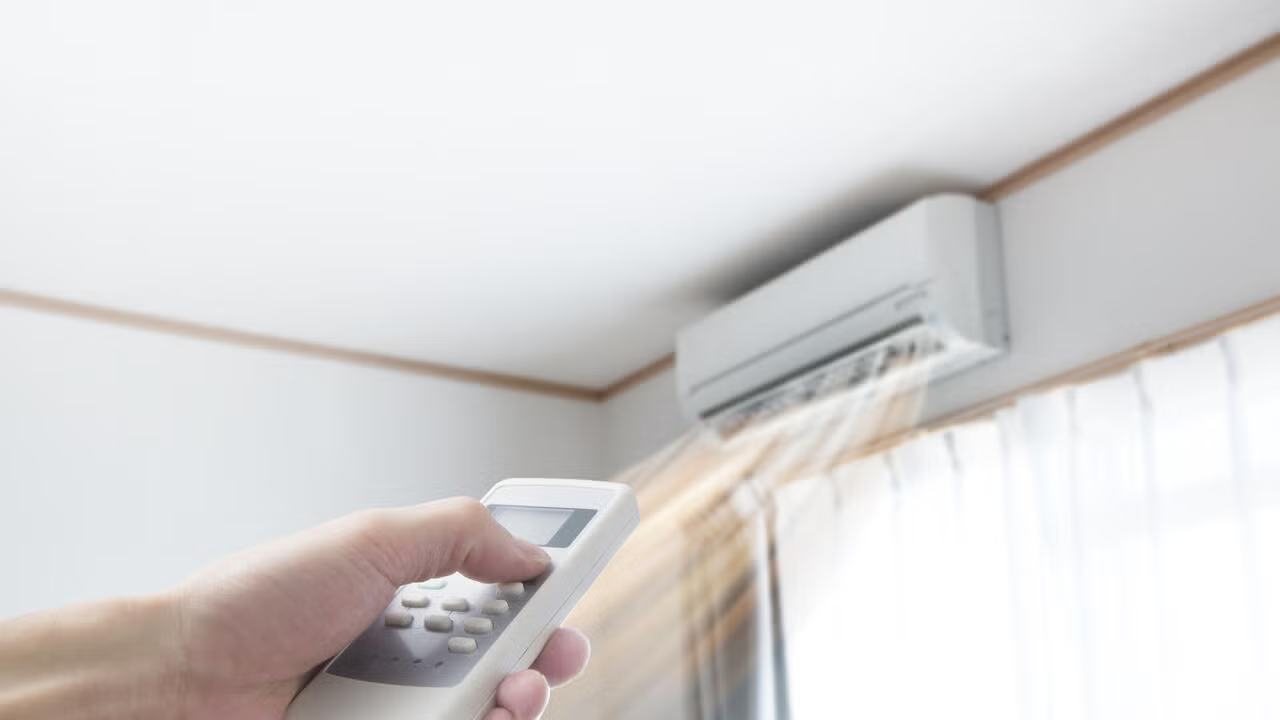
Comfort does not require wasting electricity.
MADRID, SPAIN — July 2026.
Air conditioning becomes essential during periods of extreme heat, but it can also become one of the largest sources of household electricity consumption. Efficient use depends less on turning the equipment off completely than on operating it within a stable and realistic temperature range. Small adjustments to the thermostat, maintenance routine and operating schedule can reduce unnecessary demand without sacrificing comfort. The most effective strategy begins by understanding that cooling a room faster does not always mean cooling it more efficiently.
The first recommendation is to set the thermostat between 24 and 26 degrees Celsius. Lowering the temperature below that range forces the compressor to work harder and may increase consumption with every additional degree of cooling. The difference between indoor and outdoor temperatures should also remain moderate to avoid placing excessive demand on the system. Programming the equipment at 26 degrees instead of 22 can therefore produce meaningful savings while maintaining a comfortable environment for most occupants.
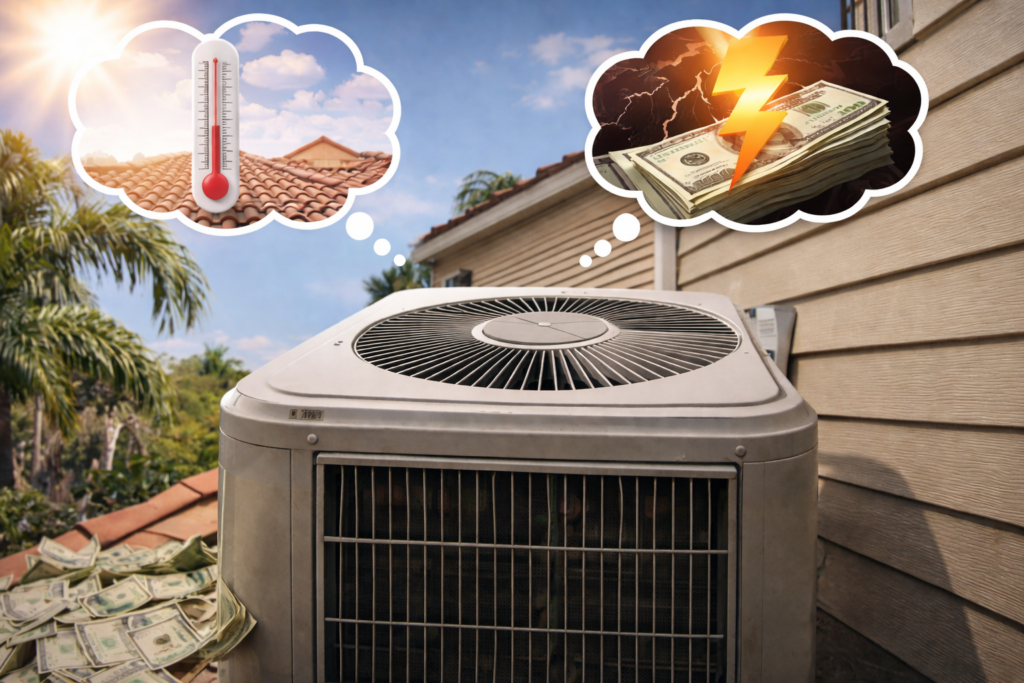
Setting the thermostat to an extremely low temperature does not make the room cool faster. Most conventional systems continue operating at their established capacity until the selected temperature is reached, meaning an unrealistic setting only extends the operating period. A moderate temperature also reduces abrupt thermal changes when people enter or leave the building. This can improve comfort while limiting the physical strain associated with moving repeatedly between extreme outdoor heat and very cold interior spaces.
The second measure is to use the ECO function or a programmable timer whenever those options are available. ECO mode automatically regulates power and temperature so the equipment does not operate continuously at maximum capacity. Some systems can reduce consumption under suitable conditions by adjusting compressor output once the room approaches the desired temperature. During the night, a sleep timer can prevent the unit from continuing to cool after the surrounding temperature and the body’s cooling needs have already declined.
The third step is basic maintenance, particularly cleaning or replacing dirty filters. Dust accumulation restricts airflow, forcing the air conditioner to work longer to move the same volume of cooled air through the room. That additional effort increases electricity use, accelerates component wear and can reduce the system’s cooling capacity. Filters should be inspected regularly and cleaned according to the manufacturer’s instructions rather than waiting until airflow becomes visibly weak.
Annual maintenance is a useful minimum, although homes with pets, heavy dust or continuous summer use may require more frequent attention. Outdoor condenser units must also remain clear of leaves, dirt and objects that obstruct ventilation. Professional inspection can identify refrigerant problems, damaged seals and electrical faults that are not visible during routine cleaning. A well-maintained system generally delivers better airflow, more stable temperatures and a longer operational life.
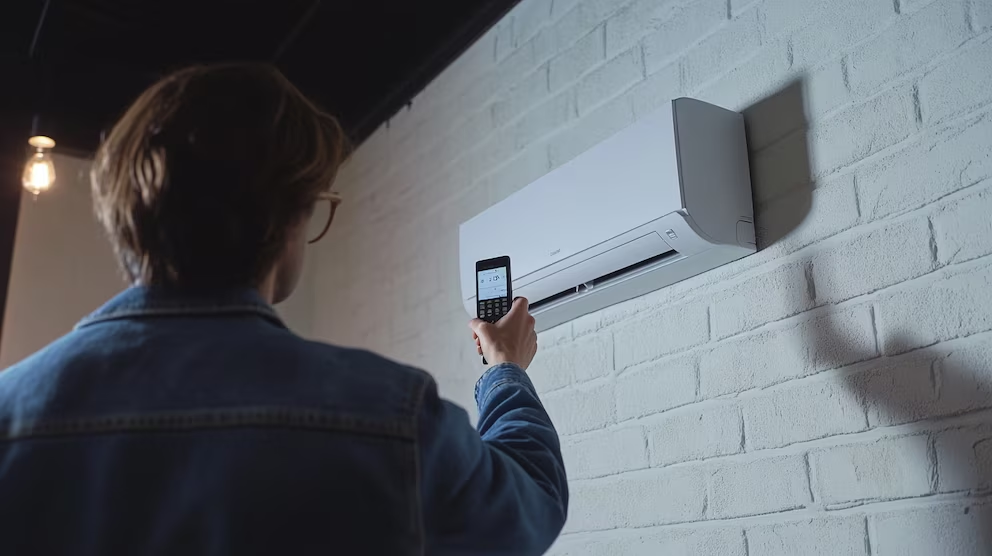
The fourth recommendation is to select equipment with the correct cooling capacity for the room. An undersized unit may run constantly without reaching the selected temperature, while an oversized model may cool too quickly and shut down before removing sufficient humidity. Proper sizing should consider floor area, ceiling height, insulation, window exposure, local climate and the number of people normally occupying the space. Incorrect sizing reduces both comfort and operating efficiency.
The fifth measure becomes especially important when replacing an older system: choosing inverter or variable-capacity technology. These units regulate compressor speed instead of repeatedly switching between maximum power and complete shutdown. Their progressive operation can maintain a more stable temperature while reducing abrupt peaks in electricity demand. The resulting savings vary according to climate, insulation, equipment quality and daily use.
Energy labels should be examined before purchasing any new air conditioner. Consumers should compare seasonal efficiency indicators rather than focusing only on purchase price or advertised cooling power. A higher-efficiency model may cost more initially but can reduce operating expenses when the equipment is used frequently over several years. Purchase decisions should therefore consider long-term consumption rather than only the initial cost.
Efficient cooling also depends on the room surrounding the machine. Closing blinds during periods of direct sunlight, sealing doors and windows and avoiding unnecessary heat-generating appliances can reduce the workload placed on the air conditioner. Fans may also help distribute cooled air, allowing occupants to remain comfortable at a slightly higher thermostat setting. These measures do not replace correct equipment use, but they strengthen the impact of every technical adjustment.
The savings associated with ECO modes, inverter systems or thermostat changes should be treated as estimates rather than guaranteed results. Actual consumption depends on electricity rates, outdoor temperature, insulation, system age, installation quality and the number of hours the equipment operates. The most reliable approach combines moderate temperature settings, scheduled use, clean filters, correct sizing and efficient technology. During extreme heat, responsible cooling protects household finances while preserving the comfort and safety that air conditioning is meant to provide.
Phoenix24 — Global news with clarity and perspective.
Conexión interrumpida. Esperando la respuesta completa