

 Phoenix 24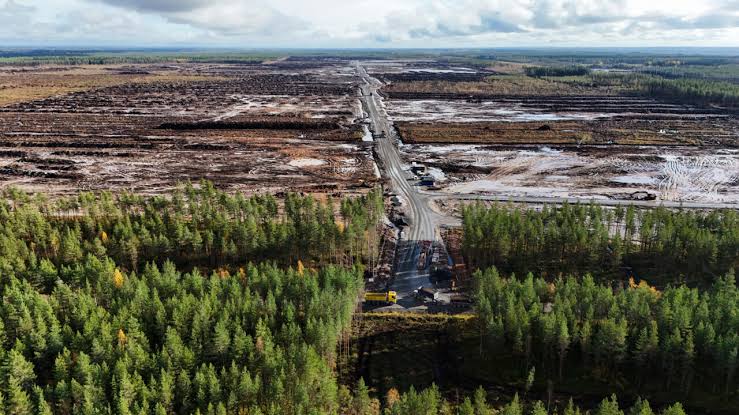
Finland Halts Google’s AI Data Centers Over Environmental Damage
The AI race is beginning to collide with ecological limits.
Helsinki, Finland
Finland has ordered preparatory work to stop at two planned Google data center sites in Muhos and Kajaani until mandatory environmental impact assessments are completed. The decision directly affects part of Google’s €13 billion investment program in Finnish digital infrastructure, which the company has described as its largest single investment in Europe. Authorities are examining whether hundreds of hectares of forest were cleared before the required environmental review was finished. The case places one of Europe’s most ambitious AI infrastructure projects under environmental and regulatory scrutiny.
The scale of the intervention is significant. Finnish regulators found that trees had been removed, topsoil stripped, internal roads and storage areas constructed and drainage systems altered at the affected sites. Environmental groups have argued that some areas with high ecological value were included in the cleared land. Google has acknowledged shortcomings in the process and said it will follow the authorities’ guidance. The company has also emphasized reforestation and biodiversity plans, including tree planting in Muhos.
The dispute matters because data centers are becoming the physical backbone of artificial intelligence. Training and operating advanced models requires enormous computing capacity, which in turn demands land, electricity, cooling systems and grid infrastructure. Finland has become attractive to technology companies because of its cool climate, relatively clean energy mix and political stability. But those advantages do not eliminate the environmental cost of building facilities at unprecedented scale.
The case also exposes a wider contradiction inside the AI economy. Technology companies increasingly present artificial intelligence as a tool for improving efficiency, sustainability and climate modeling, while the infrastructure supporting those systems can consume large amounts of energy and transform significant areas of land. The tension is no longer theoretical. It is becoming a regulatory issue capable of delaying multibillion-euro investments.
For Europe, the Finnish decision may have broader implications. Governments want AI infrastructure because it brings investment, data capacity and technological sovereignty, but they are also under pressure to enforce environmental law consistently. If large-scale computing facilities receive special treatment, public resistance could grow. If regulation becomes too restrictive, investment may move elsewhere.
Finland is now testing where that balance lies. The message from regulators is clear: artificial intelligence may be strategic infrastructure, but strategic importance does not exempt it from environmental rules.
Innovation accelerates fastest when its hidden costs are ignored.