

 Phoenix 24
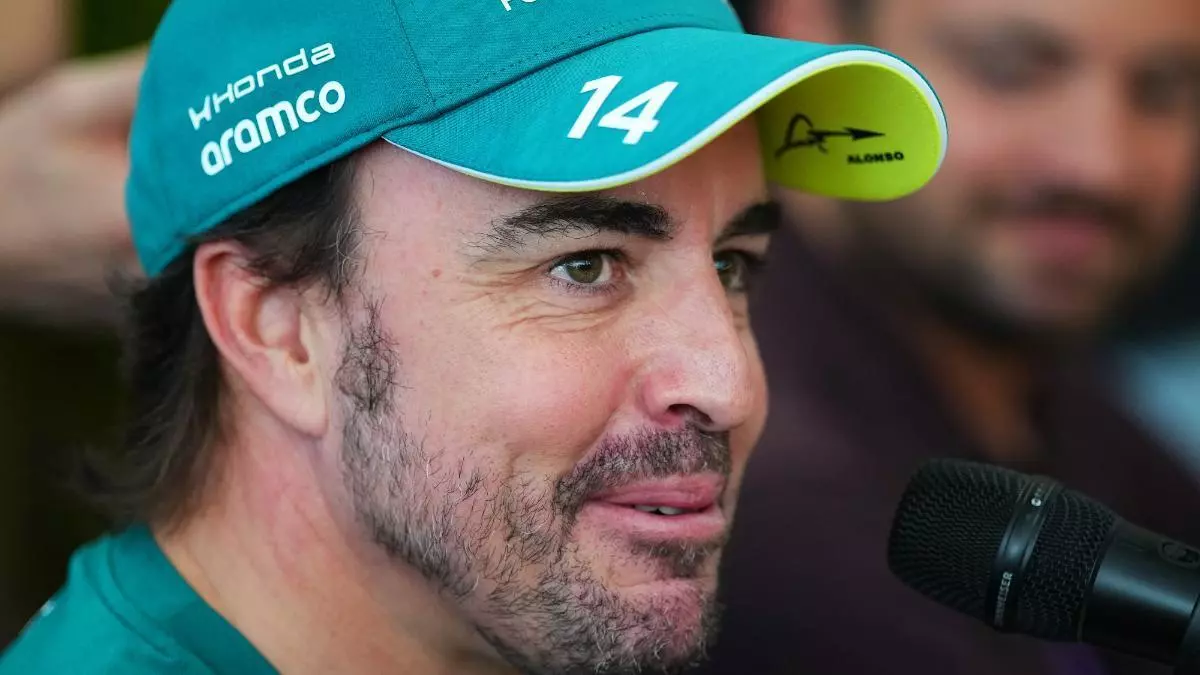
Behind a racing legend stands an extraordinary family journey.
OVIEDO
Long before Fernando Alonso became a two-time Formula One world champion, his future was being shaped in a modest household in northern Spain, where his father, José Luis Alonso, transformed a childhood fascination with racing into an extraordinary sporting journey. The story of the Aston Martin driver’s rise has returned to public attention, highlighting the financial sacrifices, mechanical ingenuity and parental philosophy that helped establish one of the longest careers in Formula One history. At 45, Alonso continues to compete at the highest level, carrying lessons that began decades before his international success.
The journey started when José Luis built a small go-kart for his daughter Lorena, who showed little interest in pursuing motorsport. Fernando, then approximately three years old, became fascinated with the machine despite being too small to reach its pedals. His father initially allowed him to drive at minimal speed while walking alongside the vehicle, later introducing adaptations that enabled the child to operate it more independently. What began as an ordinary family activity gradually revealed an exceptional aptitude for competition.
As Alonso progressed through karting, the financial demands became increasingly difficult for his working-class family. In an interview published by El País in 2008, José Luis explained that an individual race could cost approximately €6,000, equivalent to six months of his earnings at the time. His work in an explosives manufacturing facility and the income earned by Fernando’s mother, Ana Díaz, helped sustain the family’s commitment. International competition also required extensive road journeys, often between Asturias and Italian circuits, while Fernando continued his education.
Yet the most distinctive aspect of José Luis’s influence may have been psychological rather than mechanical. Instead of demanding victories, he encouraged his son to concentrate on competing effectively and accepting results beyond his control. Alonso has subsequently described how his father’s approach reduced unnecessary pressure while allowing him to develop an intense personal determination to succeed. The relationship combined practical support with an unusual degree of autonomy for a young competitor.
José Luis also recognized that his son’s racing instincts would eventually exceed his own guidance. As Fernando became more independent, his father gradually accepted that imposing restrictions could interfere with abilities already producing successful results. That balance between discipline and individual judgment accompanied Alonso’s progression into professional motorsport, culminating in his first Formula One victory in Hungary in 2003 and consecutive world championships with Renault in 2005 and 2006.
The family’s influence has acquired another dimension following Alonso’s own transition into fatherhood in 2026. In recent interviews, the Spanish driver has described how welcoming his son Leonard changed his perspective on personal happiness and the importance of life beyond competition. After decades defined by travel, technical challenges and the relentless pursuit of sporting excellence, family responsibilities now occupy a more prominent position in his reflections about the future.
Alonso’s career is frequently examined through victories, championship standings and extraordinary longevity. His father’s story offers another perspective, one in which economic limitations, shared sacrifices and emotional support contributed to the development of a champion without guaranteeing the outcome. The example illustrates how sporting excellence can emerge from a combination of individual talent, family commitment and opportunities created through years of persistence.
Behind Every Fact, a Deeper Story.