

 Phoenix 24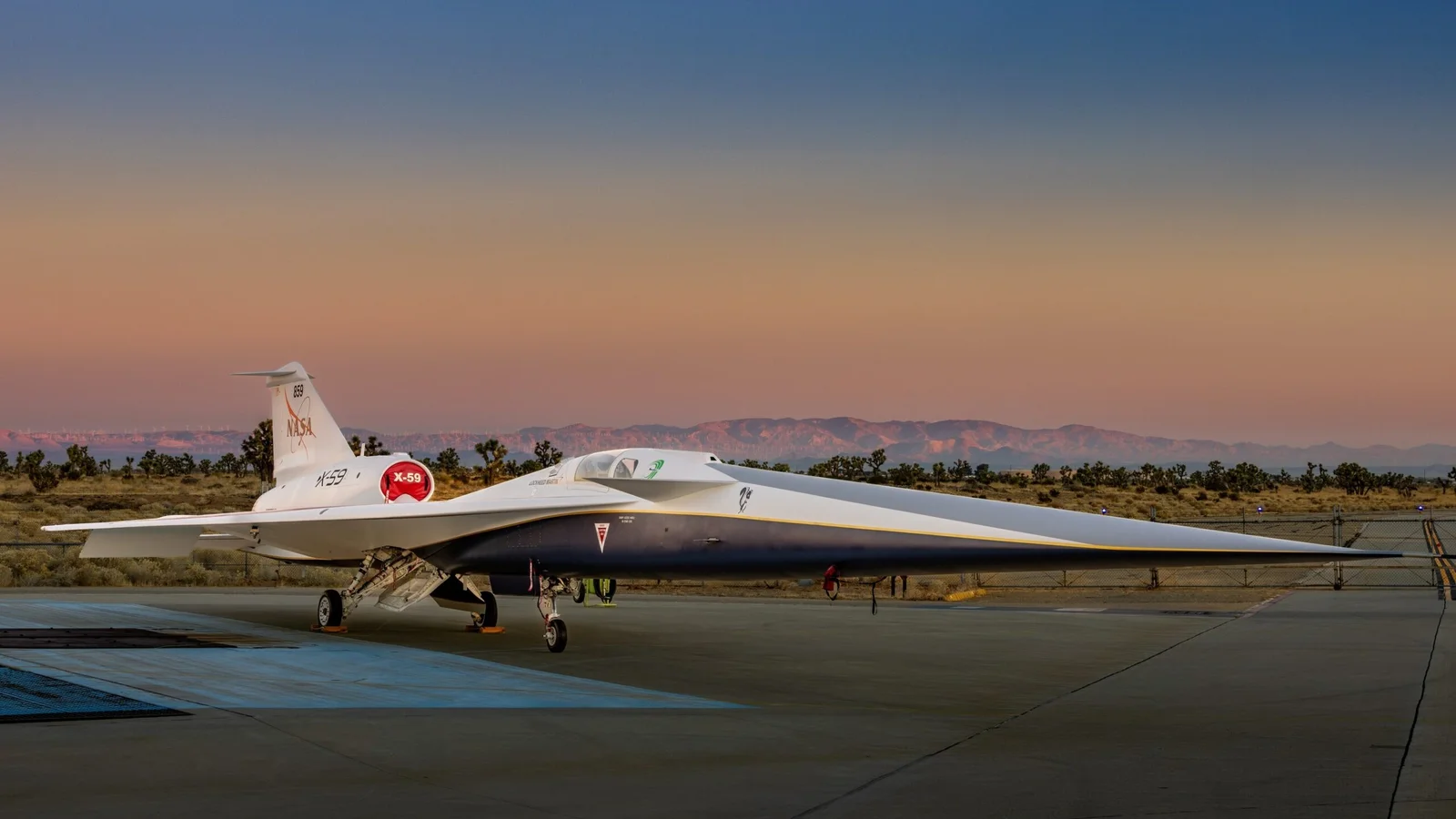
New noise limits could transform high-speed commercial aviation.
WASHINGTON, UNITED STATES — July 2026.
The Federal Aviation Administration has proposed replacing the longstanding prohibition on civil supersonic flights over the continental United States with a performance-based noise framework. The measure would allow eligible aircraft to travel faster than Mach 1 without obtaining separate authorization for every flight, provided their sonic impact remains below the established limit. Transportation officials argue that improvements in aircraft design, atmospheric modeling and flight-control technology have made the general ban increasingly outdated. The proposal begins a regulatory process rather than immediately authorizing commercial supersonic passenger services across the country.
Under the proposed rule, sonic-boom overpressure reaching the ground could not exceed 0.11 pound per square foot during normal operations. Operators would need to demonstrate compliance through approved measurements, computer modeling, flight testing or other methods accepted by the aviation regulator. Aircraft would also have to follow operational conditions and limitations established by the FAA to protect communities located beneath their routes. Once an operator received the required finding, individual approvals for each flight or geographical area would generally no longer be necessary.
The current restriction originated in 1973, when authorities concluded that available technology could not reliably control or predict the disruptive impact of sonic booms. Any civil aircraft exceeding the speed of sound over American land has since required special authorization, normally limited to testing and research within controlled areas. The prohibition was intended to protect the public from sudden thunder-like pressure waves rather than permanently prevent advances in high-speed aviation. Regulators acknowledged even then that future aircraft might eventually travel at supersonic speeds without producing unacceptable effects at ground level.
A sonic boom forms when an aircraft moves faster than sound and generates shock waves that combine into major pressure changes near its nose and tail. When those waves reach the surface, people can hear a sharp explosion-like sound capable of disturbing communities and, at higher intensities, affecting buildings. Modern aircraft developers are attempting to reshape those waves, reduce their strength or prevent them from reaching populated areas altogether. The proposed limit is intended to separate acceptable low-impact operations from the disruptive booms associated with earlier supersonic designs.
One technique highlighted by the FAA is known as Mach cutoff, which uses aircraft design, altitude, speed and atmospheric conditions to redirect shock waves away from the ground. Under favorable conditions, the pressure waves bend through the atmosphere and return upward before creating a conventional sonic boom at the surface. Operators would require sophisticated weather information and onboard systems to determine whether a planned flight could remain within the regulatory threshold. Because atmospheric conditions change, demonstrating reliable compliance across complete routes will be one of the industry’s most important technical challenges.
The FAA plans to introduce a separate proposal later in 2026 covering noise produced during takeoff and landing near airports. Supersonic aircraft must address both en-route sonic effects and conventional engine noise affecting communities surrounding major aviation facilities. Officials aim to complete the two regulatory processes by the middle of 2027, although public comments and technical evaluations could influence the final requirements. Manufacturers would still need to satisfy extensive safety, certification, environmental and operational standards before carrying paying passengers.
Supporters believe overland supersonic travel could sharply reduce journey times between distant American cities and create new possibilities for business, tourism and cargo transportation. Aircraft traveling above Mach 1 would exceed approximately 770 miles per hour, compared with the 550 to 600 miles per hour typical of many commercial airliners. Faster services could potentially connect coastal and inland economic centers in times previously associated only with shorter regional flights. The commercial viability of those routes will depend on ticket prices, fuel consumption, airport compatibility and the number of passengers each aircraft can carry.
Environmental and community concerns will remain central as the proposal advances through the federal rulemaking process. Supersonic aircraft may consume more energy per passenger than conventional jets, while residents could object to repeated low-level pressure events even when they remain below the legal limit. Regulators will need reliable monitoring systems to determine whether real-world operations match the performance predicted by manufacturers and flight-planning software. Public acceptance could ultimately become as important as engineering capability because routes crossing heavily populated areas require long-term confidence from the communities below.
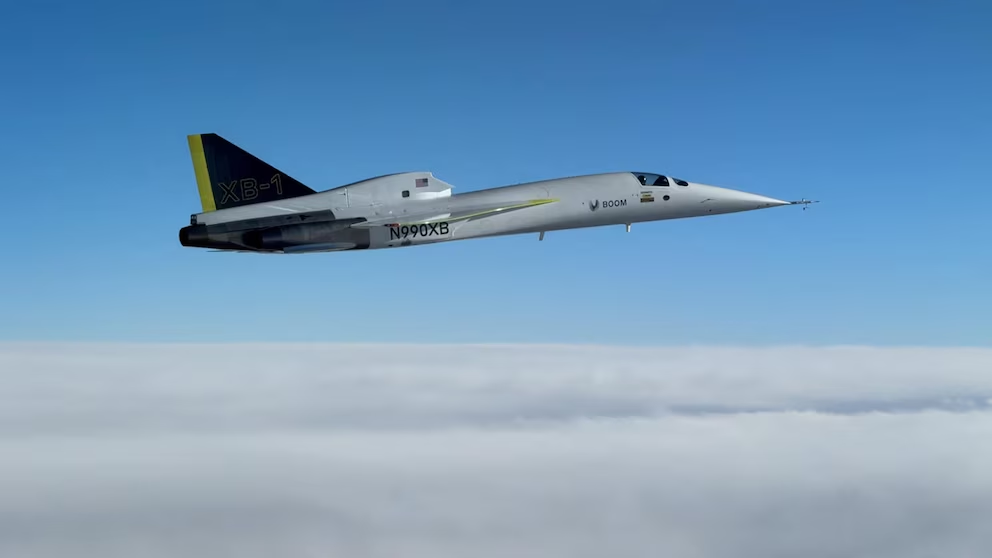
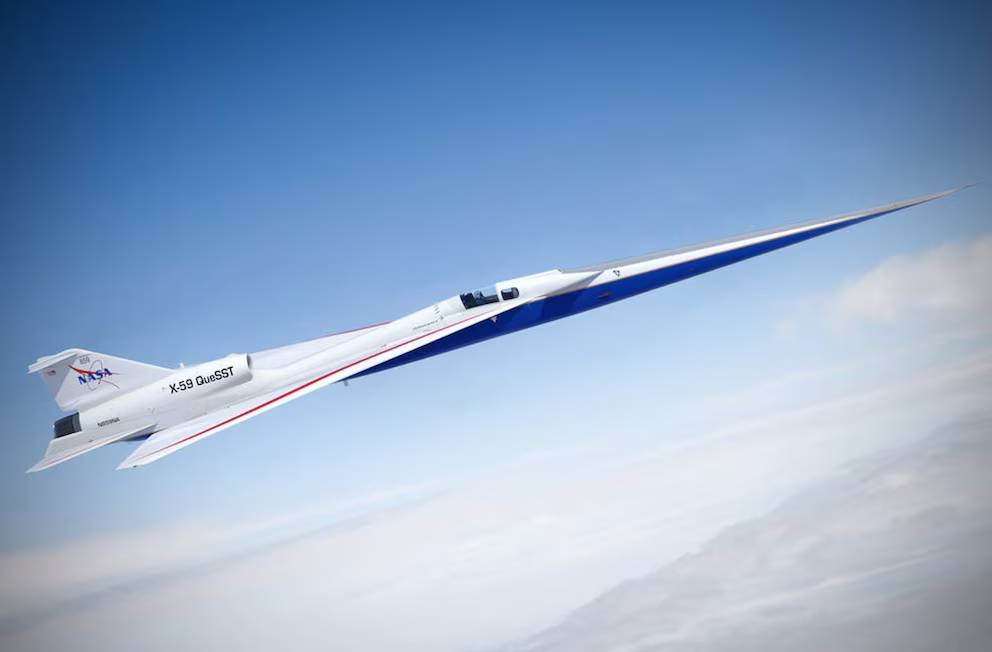
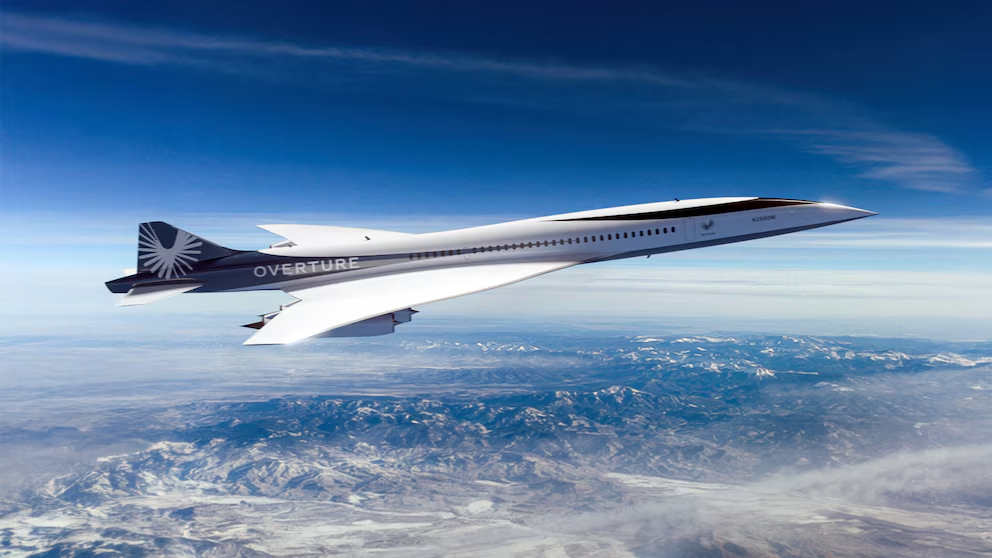
The policy shift may benefit companies developing next-generation aircraft, including manufacturers pursuing quieter airliners and experimental vehicles designed around advanced aerodynamics. NASA’s X-59 research program is also collecting information intended to help regulators understand how people respond to quieter forms of supersonic sound. Cooperation with international aviation authorities will be necessary because aircraft operating between countries must comply with different noise, safety and airspace requirements. A successful American framework could influence future global standards and strengthen the United States position within the emerging high-speed aviation market.
The FAA proposal therefore represents an important regulatory opening, but not the immediate return of routine supersonic passenger travel. Aircraft developers must still prove that their designs can operate safely, economically and consistently without exposing communities to unacceptable noise. The transition from experimental flights to scheduled commercial services will require years of certification, infrastructure preparation and operational testing. Even so, replacing a categorical ban with measurable performance limits could mark the beginning of a new era in civil aviation.
Phoenix24 — Global news with clarity and perspective.