

 Phoenix 24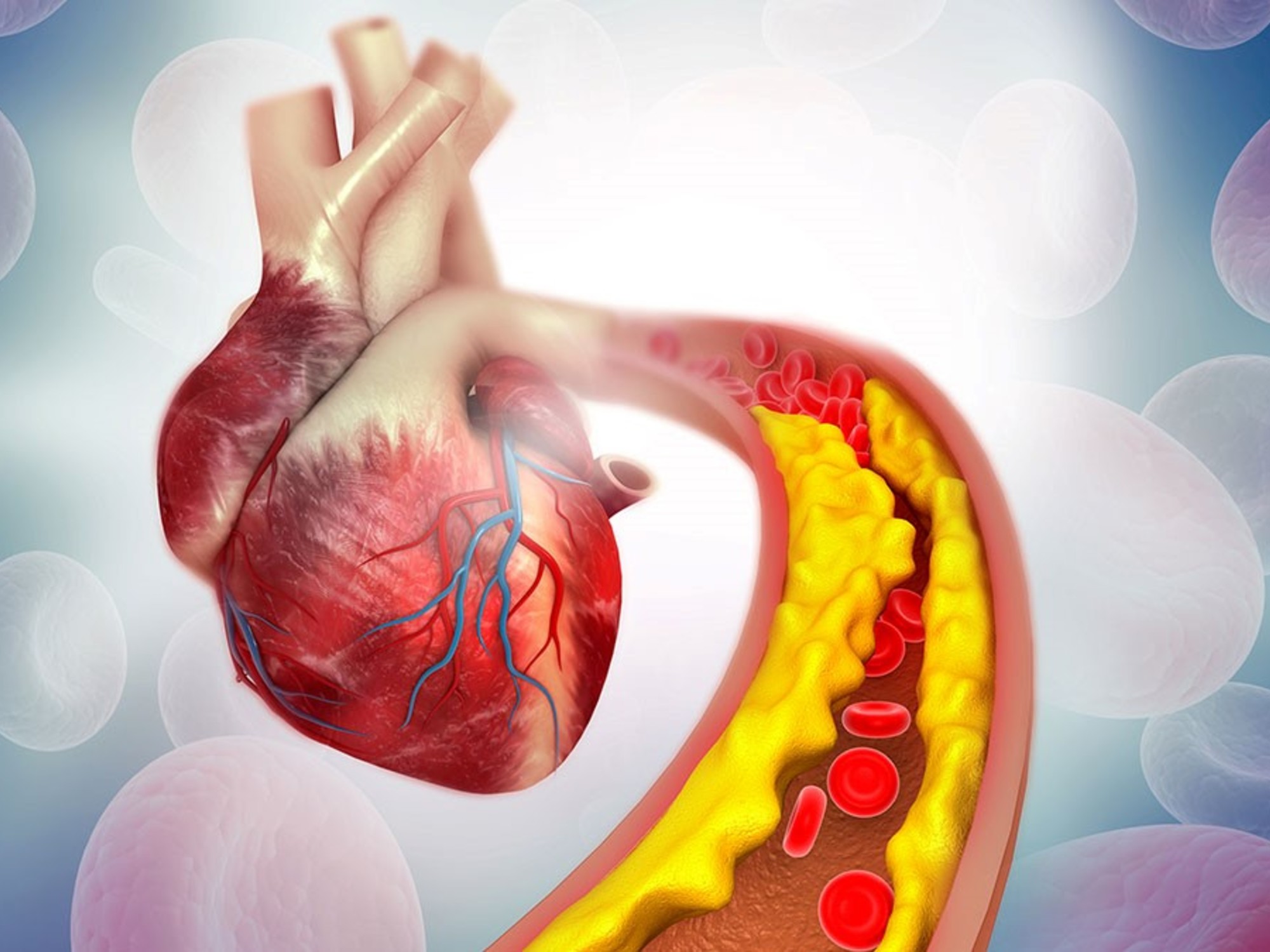
Diet, inactivity and smoking can accelerate cardiovascular damage.
BOSTON, United States | June 2026
High cholesterol remains one of the most common and silent risk factors for cardiovascular disease because it can damage arteries for years without producing obvious symptoms. The greatest concern is excess low-density lipoprotein, commonly known as LDL or “bad” cholesterol, which can contribute to plaque formation inside blood vessels. Over time, this process may restrict blood flow and increase the risk of heart attack and stroke. Specialists therefore emphasize regular testing and sustained lifestyle changes rather than waiting for warning signs.
Cholesterol itself is not inherently harmful. The body needs it to produce hormones, vitamin D and substances involved in digestion and cellular function. Problems develop when the balance of blood lipids becomes unfavorable, particularly when LDL levels rise or triglycerides remain elevated. Individual risk also depends on age, genetics, blood pressure, diabetes, smoking history and previous cardiovascular disease.
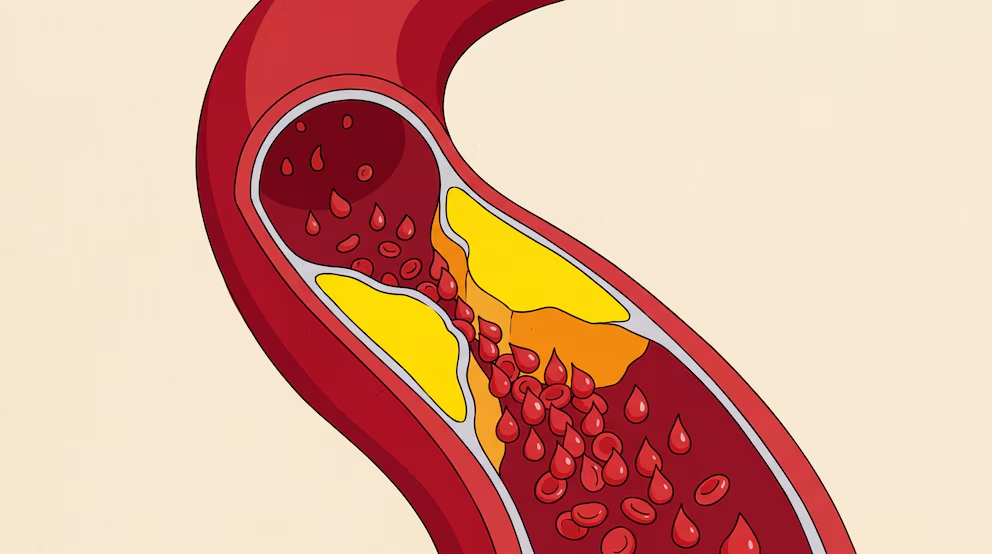
One of the most important dietary measures is reducing foods high in saturated and trans fats. Saturated fat is commonly found in fatty cuts of meat, sausages, bacon, butter, cream, full-fat dairy products and many industrial desserts. Palm and coconut oils also contain high concentrations, despite sometimes being marketed as natural alternatives. Regular excess intake can raise LDL cholesterol and contribute to arterial plaque formation.
Industrial baked goods require particular attention because cookies, cakes, pastries and packaged snacks may combine saturated fat, refined flour and added sugar. Products made with partially hydrogenated oils can contain trans fats, which are especially harmful to cardiovascular health. Food labels can help consumers identify these ingredients, although recipes vary between brands. Choosing minimally processed alternatives generally makes fat and sugar intake easier to control.
Fried food is another category specialists advise limiting, especially when it comes from fast-food outlets or is prepared in repeatedly heated oil. Frying increases energy density and may add significant quantities of unhealthy fat. French fries, fried chicken, breaded snacks and similar products can also contain high levels of sodium. Occasional consumption differs from making them a regular part of the diet.
Processed meats combine several cardiovascular concerns. Sausages, salami, cured meats, pâtés and bacon frequently contain saturated fat and substantial amounts of salt. Replacing them with fish, legumes, skinless poultry or leaner cuts can improve the overall nutritional profile of meals. The objective is not necessarily to prohibit every animal product, but to reduce frequency, portions and the least favorable preparations.
Sugary beverages can worsen the lipid profile even though they do not contain cholesterol. Soft drinks, sweetened juices, energy drinks and creamy coffee beverages provide rapidly absorbed sugars that may contribute to weight gain and elevated triglycerides. Frequent consumption is particularly concerning when combined with inactivity or insulin resistance. Water, unsweetened tea and other low-sugar options are generally more appropriate for daily hydration.
Excessive alcohol intake can also raise triglycerides and place additional pressure on the liver, which plays a central role in fat metabolism. Alcohol adds calories without providing essential nutrition and can complicate the control of blood pressure, weight and diabetes. People taking medication should discuss alcohol use with their clinician because interactions may occur. For some patients, avoiding it completely may be the safest recommendation.
Smoking and vaping are additional cardiovascular enemies. Tobacco smoke damages blood vessels, increases inflammation and strengthens the harmful effects of high cholesterol, hypertension and diabetes. Smoking is also associated with lower levels of high-density lipoprotein, or HDL, often described as “good” cholesterol. Quitting can improve circulation and reduce cardiovascular risk even when cholesterol medication is already being used.
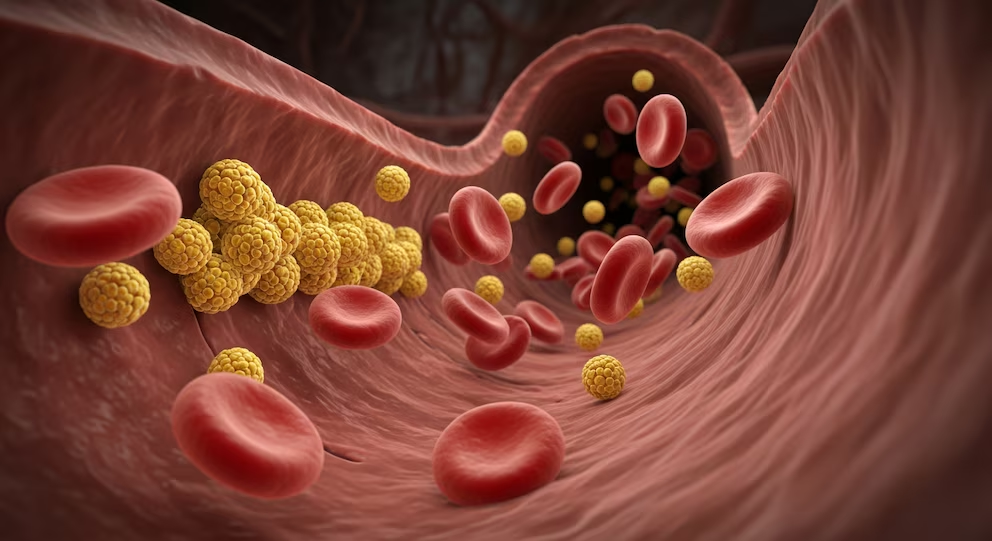
Sedentary behavior and excess body weight can make lipid control more difficult. Regular physical activity helps improve cholesterol and triglyceride levels while supporting blood pressure, glucose management and weight control. Health organizations commonly recommend at least 150 minutes of moderate aerobic exercise each week for many adults. Walking, cycling, swimming, dancing and other sustainable activities can provide benefits when practiced consistently.
Weight loss does not need to be dramatic to improve metabolic health. For people living with overweight or obesity, a gradual reduction supported by realistic eating and activity habits may improve LDL, triglycerides and insulin sensitivity. Extreme diets are difficult to maintain and can create nutritional deficiencies. Long-term routines are generally more valuable than rapid but temporary results.
Not every food traditionally associated with cholesterol must be eliminated. Eggs have often been treated as especially dangerous because their yolks contain dietary cholesterol. Current guidance places greater emphasis on the total eating pattern and saturated-fat intake for most people. Moderate egg consumption may fit within a balanced diet, although individuals with familial hypercholesterolemia or other specific conditions should follow personalized medical advice.
Nuts can be beneficial when consumed in appropriate portions. Almonds, walnuts and similar foods provide unsaturated fats, fiber and plant compounds associated with better cardiovascular health. Their calorie density means that portion control still matters. Unsalted varieties are preferable to products coated with sugar, salt or saturated fats.
Oats are another useful option because they contain beta-glucan, a soluble fiber that can help lower LDL cholesterol. Beans, lentils, fruit, vegetables and whole grains also provide fiber that supports heart and digestive health. Replacing refined carbohydrates with these foods may improve the quality of the entire diet. The most effective pattern is one that can be maintained rather than followed only for a few weeks.
Lifestyle measures are essential, but they do not replace medication when treatment is medically indicated. Some people inherit conditions that cause very high cholesterol regardless of diet and exercise. Others remain at substantial cardiovascular risk because of diabetes, previous heart disease or multiple risk factors. Statins and other lipid-lowering medicines can be necessary to reduce the likelihood of serious complications.
Patients should not stop prescribed medication after improving their diet or receiving one favorable laboratory result. Cholesterol management usually requires repeated testing and assessment of overall cardiovascular risk. A clinician can determine whether lifestyle changes are sufficient or whether medication should be started, adjusted or continued. Treatment decisions should be individualized rather than based on general advice alone.
The most effective strategy is therefore not a list of absolute prohibitions, but a systematic reduction of harmful habits. Limiting saturated and trans fats, processed meats, fried foods, sugary drinks and excessive alcohol can improve cardiovascular protection. Regular exercise, smoking cessation, weight management and medical follow-up complete the approach. High cholesterol may be silent, but the actions used to control it can produce measurable and lasting benefits.
Prevention becomes powerful when daily choices protect the future. / La prevención se vuelve poderosa cuando las decisiones diarias protegen el futuro.