

 Phoenix 24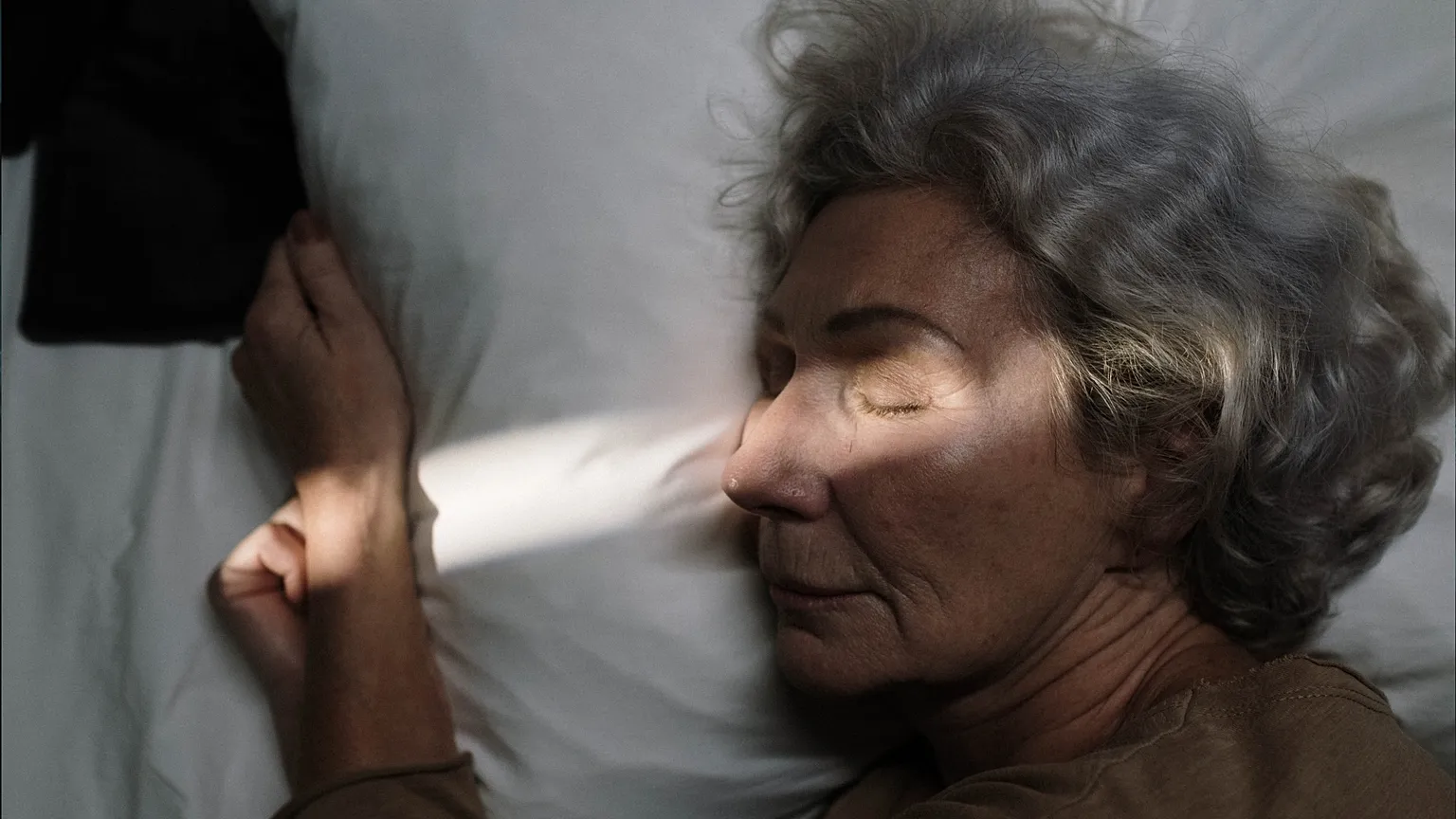
Moonlight, phone screens and standby LEDs could matter more than they appear.
NEW ORLEANS, UNITED STATES
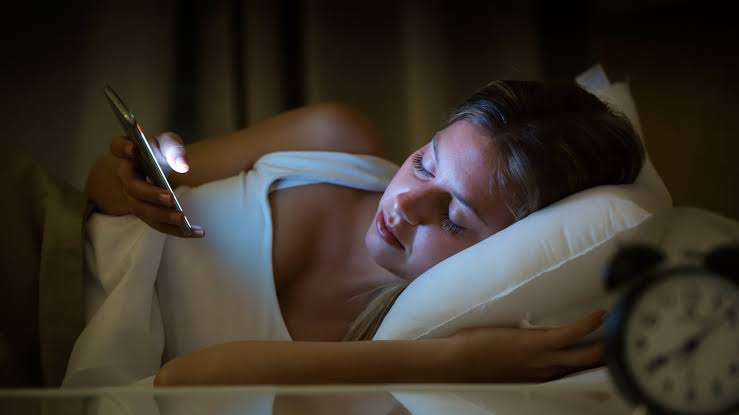
Sleeping with even low levels of artificial light may be associated with potentially harmful changes in the heart, according to research published in the European Heart Journal. The findings suggest that exposure does not need to come from a bright lamp: a dimmed phone screen, light entering through a partially open door or illuminated electronic devices may be sufficient to disturb the darkness the body expects at night.
Researchers led by Lu Qi of Tulane University examined 11,071 people whose nighttime light exposure was measured for one week. Three years later, cardiovascular magnetic resonance imaging was used to evaluate the structure and function of their hearts. Participants exposed to higher levels of light showed thicker walls in the heart’s left chamber, less internal ventricular space and early indications of reduced flexibility during each heartbeat.
These alterations are associated with cardiac remodelling, a process through which the heart adapts to persistent stress or injury. Although this response can initially be compensatory, prolonged remodelling may weaken cardiac function and contribute to heart failure. The study establishes an association rather than proving that nighttime light directly caused the observed changes, but its size and objective measurements strengthen the case for further investigation.
Scientists have long known that light at night can disrupt circadian rhythms, suppress melatonin and affect sleep quality. The new findings extend the concern beyond rest itself, indicating that the bedroom environment may also influence cardiovascular health. Researchers recommend darkening rooms with blackout curtains, choosing warm-coloured bedside lighting and covering small standby LEDs. Reducing screen use before sleep may provide an additional benefit.
The issue also extends beyond individual behaviour. Streetlights, illuminated advertising and poorly shielded outdoor fixtures can penetrate homes even when residents attempt to create darkness. Municipalities can reduce exposure through warmer bulbs, protected luminaires and lighting systems that dim or activate only when movement is detected. Darkness, once treated as an absence, is increasingly being examined as an environmental condition that protects human biology.
Prevention often begins with the risks we barely notice.