

 Phoenix 24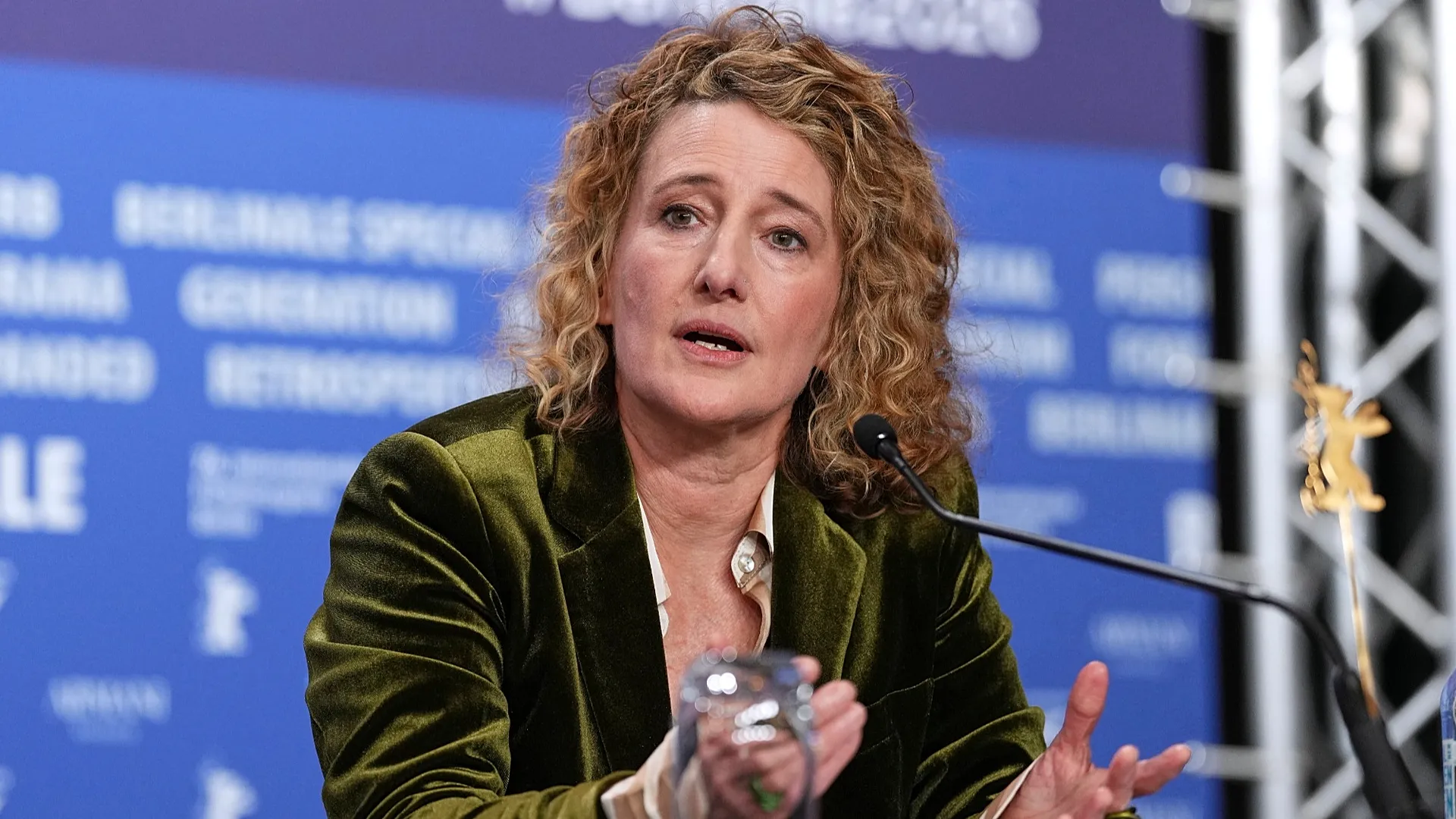
A film festival becomes a battlefield of legitimacy.
Berlin, February 2026
The growing public support for Berlinale director Tricia Tuttle is no longer just an internal cultural dispute. It has become a test of how much institutional independence a major European festival can retain when artistic expression collides with state level political pressure. What began as controversy over Gaza related speeches and symbolism at the Berlin International Film Festival has now expanded into a broader struggle over governance, censorship boundaries, and the future identity of one of Europe’s most politically visible cultural platforms.
At the center of the storm is a familiar pattern in contemporary cultural politics. A festival hosts emotionally charged speech from filmmakers during a period of war, the reactions trigger media escalation and political scrutiny, and institutional leadership becomes the pressure point through which broader ideological battles are fought. In this case, Tricia Tuttle appears to have become the symbolic target not simply because of what was said onstage, but because of what her leadership now represents to different camps: for some, an unacceptable tolerance of dissent; for others, a necessary defense of artistic freedom inside a democratic cultural institution.
The speed and scale of support from filmmakers, staff, and international industry figures matter because they shift the story from personal controversy to institutional risk. Once prominent directors, actors, and festival workers publicly defend the director, the question is no longer whether a backlash exists, but whether punishing leadership would damage the festival’s credibility more than the original controversy itself. That is a high stakes equation for Berlin. A festival like the Berlinale does not compete only on premieres and prizes. It competes on trust, reputation, and the belief that it can host difficult global conversations without collapsing into administrative panic.
Germany’s political environment makes this conflict especially combustible. Public discourse around Israel, Gaza, antisemitism, state responsibility, and permissible speech has become highly charged, and cultural institutions increasingly operate under intense scrutiny when artists challenge official narratives or use language perceived as crossing legal or moral lines. In that setting, the Berlinale is not simply a cinema event. It becomes a stage where broader anxieties over national identity, historical responsibility, and international solidarity are projected. That is why the pressure on Tuttle carries significance beyond the festival calendar.
What makes the current moment structurally important is that it exposes a collision between two governance logics. One logic prioritizes institutional autonomy and artistic pluralism, even when expression is uncomfortable or politically costly. The other prioritizes reputational control, legal caution, and rapid distancing from controversy to avoid state backlash or public outrage. Neither side presents itself as anti culture. Both claim to be protecting legitimacy. But they are protecting different versions of it. The first seeks legitimacy through openness. The second seeks legitimacy through containment.
For the European film community, the public defense of Tuttle also reflects a strategic concern about precedent. If a major festival director can be pushed toward removal because invited artists or award winners made politically explosive statements, then leadership across cultural institutions may become more risk averse, more censorious, and less willing to host contested voices. The effect would not necessarily appear as formal censorship at first. More often, it emerges as preventive programming, selective invitations, procedural caution, and a narrowing of what institutions are willing to platform under pressure. In cultural politics, that kind of self limitation can reshape an institution long before any official policy changes.
The Berlinale’s position is uniquely fragile because it has always cultivated a public image tied to political engagement, internationalism, and difficult conversations. Unlike festivals that rely more heavily on glamour or market dynamics, Berlin’s brand has long depended on a degree of moral and political seriousness. That identity generates prestige, but it also creates vulnerability when controversy erupts. A festival that invites political cinema cannot easily retreat into neutrality without appearing incoherent. A festival that embraces political speech, however, risks becoming a proxy arena for national conflict over speech limits and institutional accountability.
For Tuttle personally, this is less a question of curatorial competence than crisis symbolism. Directors of major festivals increasingly function as public interpreters, mediators, and shields, not only programmers. When controversy explodes, they are expected to defend artistic space, reassure funders, manage media narratives, and navigate political pressure simultaneously. That role is nearly impossible when every statement can be reframed as ideological alignment. In that sense, the current backlash is not only about one incident. It reflects the rising impossibility of leading global cultural institutions in polarized democracies without becoming politically readable to all sides.
The deeper issue is whether Europe still wants internationally respected cultural forums that can host unresolved conflict without demanding total message discipline from every participant. If the answer is yes, then institutional independence cannot be defended only when speech is comfortable. If the answer is no, then festivals will continue to exist, but their political and artistic metabolism will change. They will become safer, more managed, and less credible as spaces of genuine encounter. The support for Tricia Tuttle is therefore about more than one director’s future. It is about whether the Berlinale remains a living forum or becomes a cautionary case of cultural governance under intimidation.
Phoenix24: journalism without borders. / Phoenix24: journalism without borders.