

 Phoenix 24
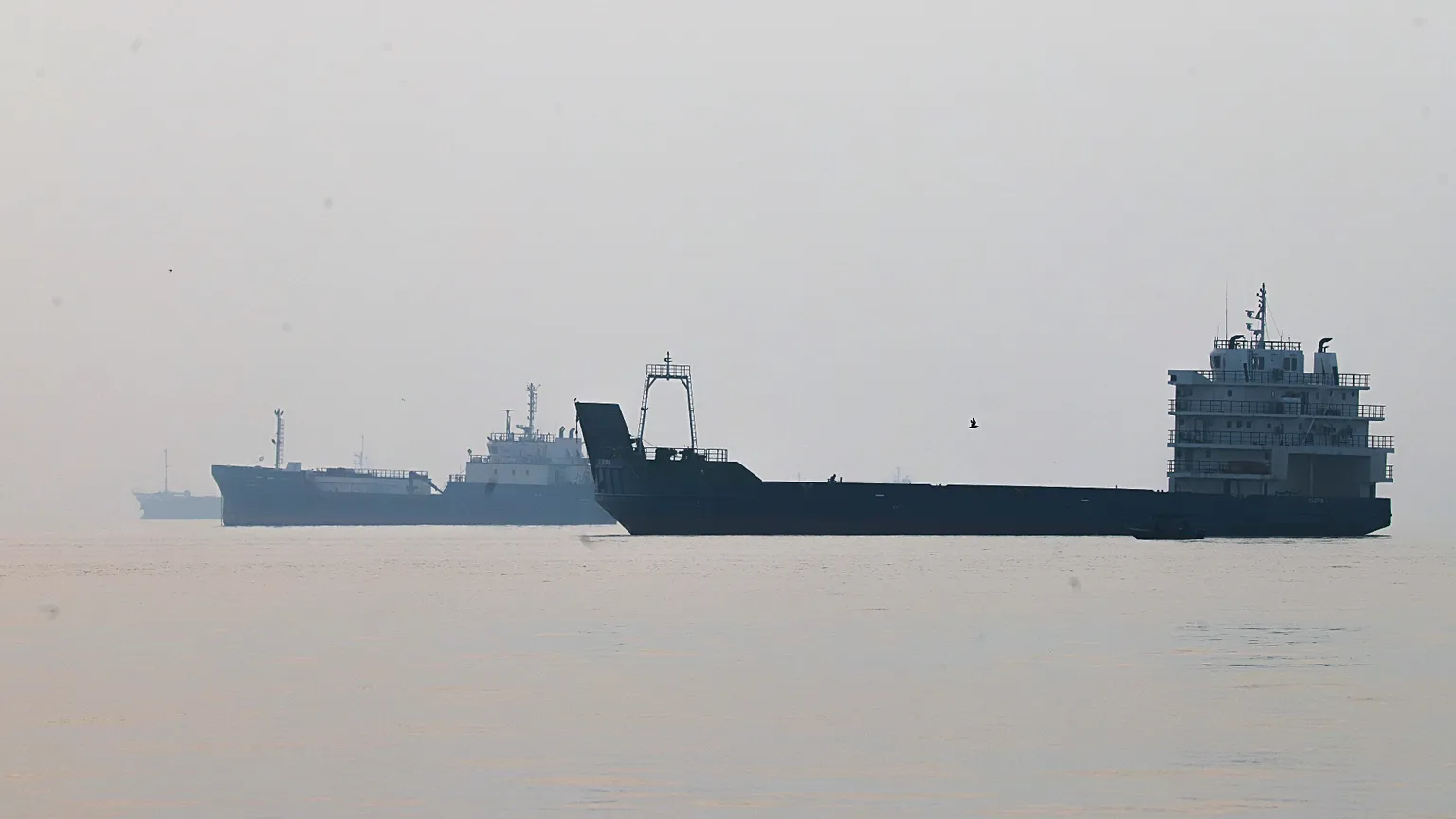
Recovering crude supplies have yet to ease diesel shortages.
PARIS, France. European diesel prices remain 77% above levels recorded before the war involving Iran, despite a substantial recovery in global crude oil supplies. The International Energy Agency (IEA) warned on November 13 that persistent shortages of refined fuels continue to expose consumers and businesses to elevated costs, even as the broader oil market moves toward surplus.
According to the agency’s November Oil Market Report, global oil production reached 105.4 million barrels per day in October, increasing by 2.3 million barrels daily from September. The IEA expects supply to exceed demand by approximately 1.7 million barrels per day during the fourth quarter of 2026.
Crude prices have responded to the improving supply outlook. North Sea Dated crude fell approximately 32%, from an early October peak of $136 per barrel to around $93. European diesel prices, however, declined only 11% over the same period, remaining close to $180 per barrel.
The difference reflects a critical distinction between crude oil availability and refined fuel production. Although additional crude is reaching international markets, refineries and transportation networks have not fully recovered from disruptions associated with the Middle East conflict.
Attacks on Russian energy infrastructure have further restricted diesel exports, compounding shortages originating in the Gulf. Meanwhile, regional exports of refined petroleum products remain at approximately half their pre-war levels, despite a stronger recovery in crude shipments.
The IEA reported that Gulf oil exports, excluding Oman, reached 18.4 million barrels per day in October, still 26% below pre-war volumes.
The agency expects additional refinery production and the accelerated release of emergency diesel reserves to help stabilize supplies. Approximately 15 million barrels of diesel are scheduled to become available through coordinated emergency stock releases by the end of February.
The economic implications extend beyond motorists. Diesel remains essential for freight transportation, agriculture, construction and industrial logistics. Elevated prices can increase operating expenses across supply chains, potentially placing additional pressure on business costs and consumer prices.
Global petroleum demand is expected to decline by 2.7 million barrels per day in 2026 before recovering in 2027, supported partly by improvements in economic activity and energy supply conditions.
Nevertheless, continued attacks on shipping and energy infrastructure remain significant risks to the recovery.
Europe’s experience demonstrates that abundant crude oil does not automatically translate into affordable transportation fuel. Refining capacity, secure shipping routes and access to finished petroleum products remain essential to restoring market stability.
Beyond the Numbers, the Consequences.