

 Phoenix 24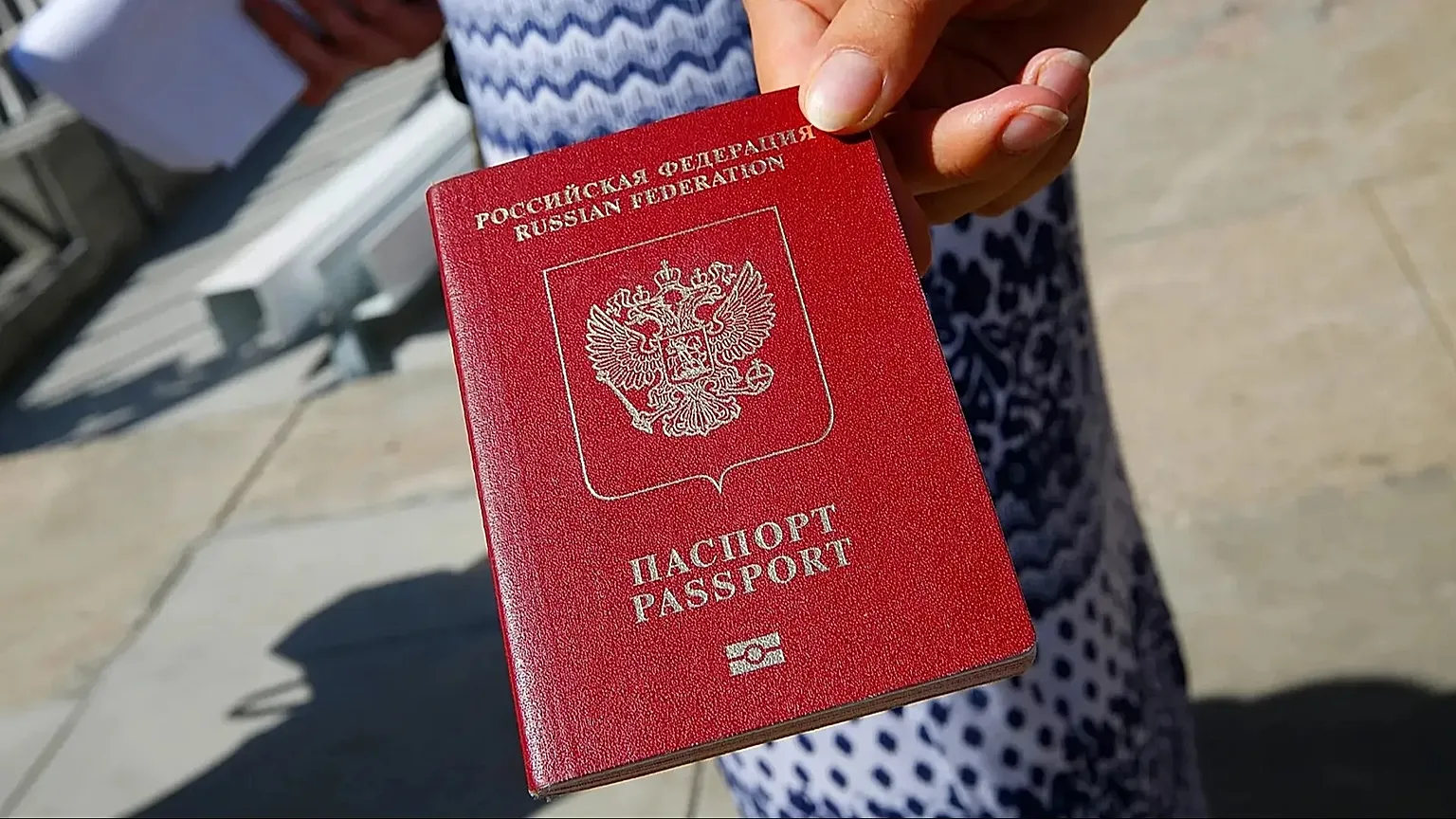
When mobility becomes power, a visa stamp turns into a geopolitical sanction.
Brussels, November 2025. The European Union has decided to drastically tighten the issuance of Schengen visas for Russian citizens, transforming what was once an administrative process into a geopolitical filter. From now on, multiple-entry visas —which allow travelers to move freely across the bloc during extended periods— will no longer be granted to Russians living in the Russian Federation, except in a limited set of exceptional cases. The default becomes single-entry visas, short in duration, heavily scrutinized, and subject to strict justification. European officials confirm that only travelers who can prove unquestionable trustworthiness may still qualify for multiple-entry documents, including individuals with direct family ties in EU member states, certified transport operators, recognized human rights activists, dissidents, independent journalists and applicants under humanitarian protection. The policy applies to new applications only; previously issued visas remain valid until expiration.
This shift reveals a deeper logic. Europe no longer sees mobility as neutral. Visas have become an extension of foreign policy, an instrument of containment and deterrence in response to Moscow’s ongoing military activity and information warfare. For Brussels, a visa is now a risk assessment tool: each traveler represents a potential intelligence vector, an asset of influence, or an individual seeking legitimate refuge from an increasingly authoritarian state. The bloc argues that the modified rules are necessary because Russian visa applications have grown steadily over the last two years, alongside higher rejection rates, suggesting a surge of applicants attempting to leverage Schengen territory as a platform for business activity, financial transactions, or political mobility.
The measure also exposes the fragmentation of Europe’s internal debate. Several member states pushed for a total visa freeze for Russian travelers, claiming that tourism and personal travel normalize relations during wartime. Others, especially in Southern Europe, defended the principle of individual responsibility: a government’s actions should not condemn an entire population. The final decision —restricting mobility without closing the door entirely— reflects a strategic calculation that aims to maintain moral legitimacy while exerting maximal political pressure.
Still, the consequences are profound. For ordinary Russian citizens, the world becomes smaller, every border becomes interrogation, and access to Europe transforms into a privilege filtered by politics. Families will face longer separations, students and researchers may need to reconsider scholarship opportunities, and business connections will weaken. In parallel, the EU anticipates retaliation: Moscow could impose reciprocal restrictions, making European diplomatic and journalistic presence in Russia even more precarious. Western companies that still operate in Russian territory may find corporate mobility significantly reduced, complicating audits, logistics, and crisis management.
The decision also reverberates inside the Schengen framework. Migration authorities must now perform more complex assessments, distinguishing between genuine travelers and those potentially aligned with hostile state structures. Travel becomes evidence: proof of identity, proof of ideology, proof of harmlessness. What used to be routine now carries diplomatic weight.
The transformation is not semantic. It is structural. Travel is no longer travel. It is a declaration of alignment in a fragmented world where borders function as geopolitical sensors.
Behind every piece of data, there is an intention. Behind every silence, a structure.