

 Phoenix 24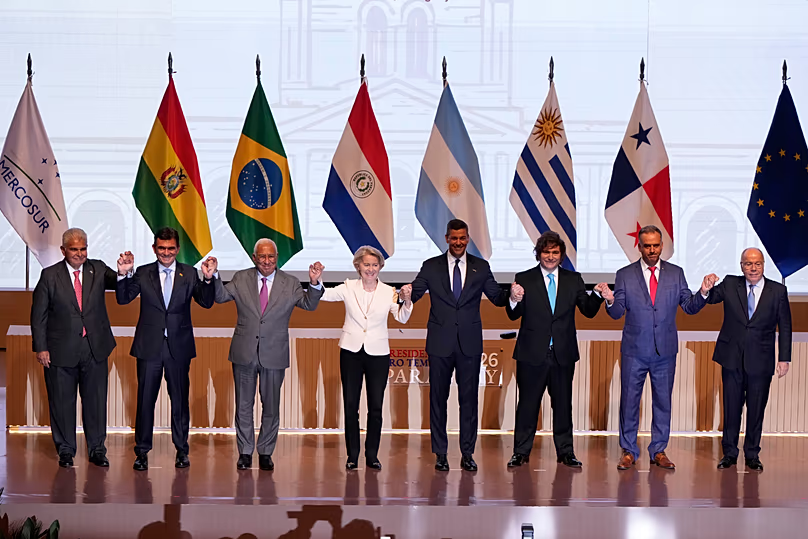
A trade bridge begins with political fractures.
Brussels, May 2026. The controversial trade agreement between the European Union and Mercosur has entered into force provisionally, opening a transatlantic commercial space after nearly three decades of negotiations. The deal links the EU with Argentina, Brazil, Paraguay and Uruguay, creating one of the world’s largest trade frameworks by population and economic reach.
The agreement reduces tariffs across major industrial, agricultural and services sectors, while promising European companies wider access to South American markets and giving Mercosur producers a deeper route into Europe. For Brussels, the pact is also strategic: it offers diversification at a moment when U.S. protectionism, Chinese influence and global supply-chain instability are reshaping commercial diplomacy. Trade, in this case, is no longer only about exports; it is about geopolitical positioning.
Yet the provisional launch exposes a deep European divide. Farmers, environmental groups and several political actors warn that the agreement could intensify unfair competition, weaken environmental safeguards and increase pressure on sensitive agricultural sectors. France, Ireland and other critics see the deal as a risk to European standards, particularly in beef, soy and food safety.
For Mercosur, the agreement represents both opportunity and vulnerability. Brazil and Argentina gain access to a powerful consumer market, but local industries may face sharper European competition in manufactured goods, services and regulated sectors. The promise of growth comes with a structural question: who captures the benefits, and who absorbs the adjustment costs?
The most controversial element is the method. By applying the deal provisionally while legal and political challenges remain unresolved, the European Commission has converted trade policy into a test of institutional authority. The agreement may strengthen Europe’s global commercial footprint, but it also reveals how fragile consensus has become when economic ambition collides with farmers, climate politics and sovereignty concerns.
Phoenix24: claridad en la zona gris. / Phoenix24: clarity in the grey zone.