

 Phoenix 24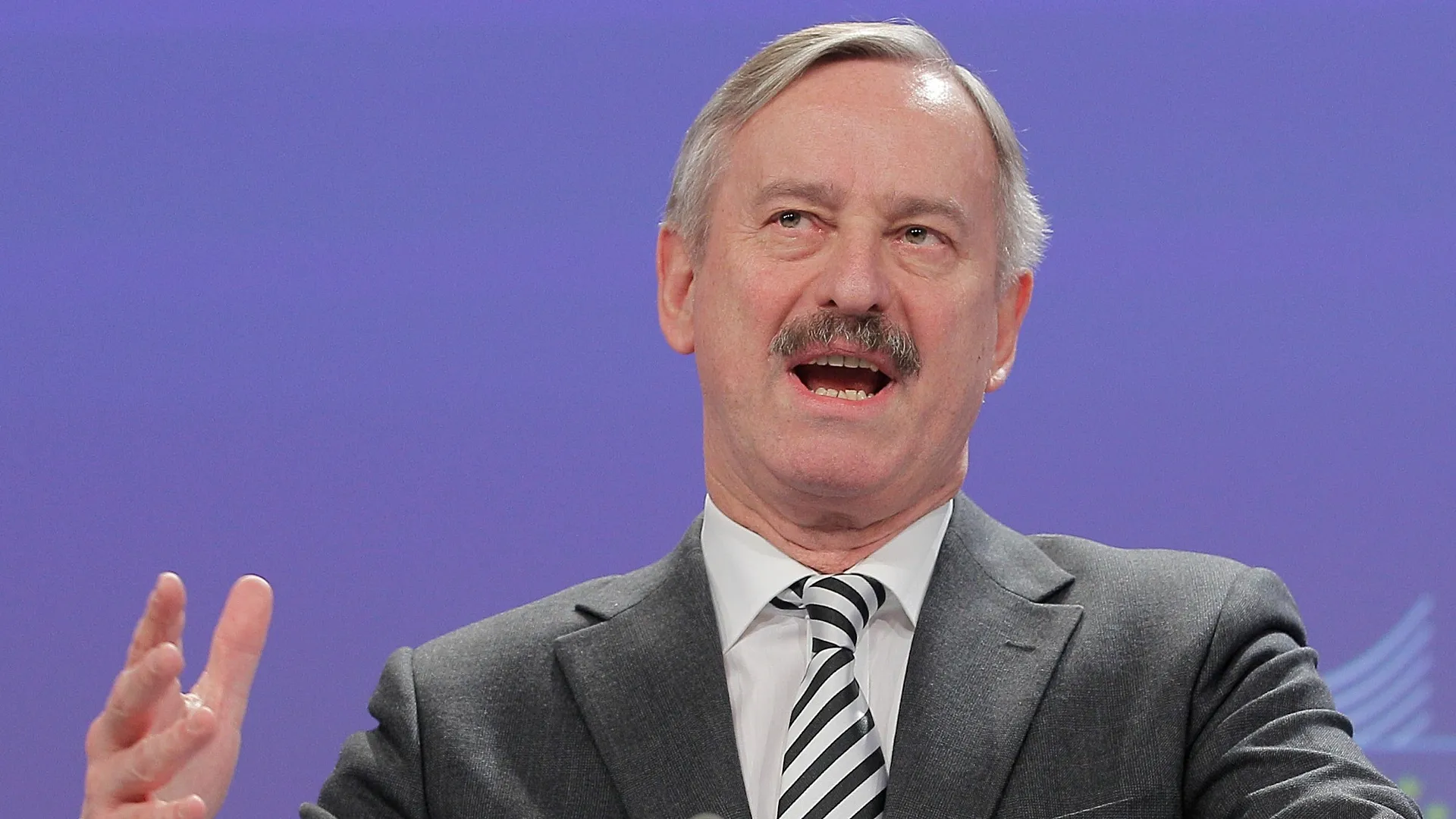
Some political legacies become part of national identity.
Tallinn, Estonia
Siim Kallas, former prime minister of Estonia and vice president of the European Commission, has died at the age of 77. His daughter, Kaja Kallas, the European Union’s foreign policy chief, announced that her father had passed away overnight. European Parliament President Roberta Metsola led tributes to a statesman whose career connected Estonia’s recovery of independence with its integration into European institutions. His death closes a formative chapter in the political and economic construction of the modern Baltic republic.
Kallas became one of the central figures in Estonia’s transformation after the collapse of Soviet rule. As governor of the Bank of Estonia, he helped direct the currency reform that introduced the kroon and strengthened the country’s transition toward a market economy. He later founded the liberal Reform Party and served as foreign minister, finance minister and prime minister between 2002 and 2003. Those positions placed him at the center of decisions that shaped Estonia’s Western orientation and prepared the country for membership in the European Union.
After Estonia joined the bloc, Kallas became the country’s first European commissioner and remained in Brussels for a decade. He held responsibilities covering economic affairs, administrative reform, auditing, fraud prevention and transport, while also serving as a Commission vice president. Metsola recalled the courage required to rebuild Estonia, establish its own currency and later influence European policy from inside the institutions of the union. She emphasized that both Estonia and Europe had been strengthened by his public service.
His career also illustrates how leaders from smaller nations can exercise influence beyond the weight of their countries. Kallas helped translate Estonia’s experience of occupation, independence and reform into a firmly European political project. That legacy continues through institutions he helped build and through a generation of Estonian leaders, including his daughter, who later became the country’s first female prime minister. His death is therefore more than a family loss or a national farewell; it marks the passing of one of the political architects who helped move Estonia from Soviet domination to the center of European decision making.
Phoenix24: journalism without borders. / Phoenix24: periodismo sin fronteras.