

 Phoenix 24
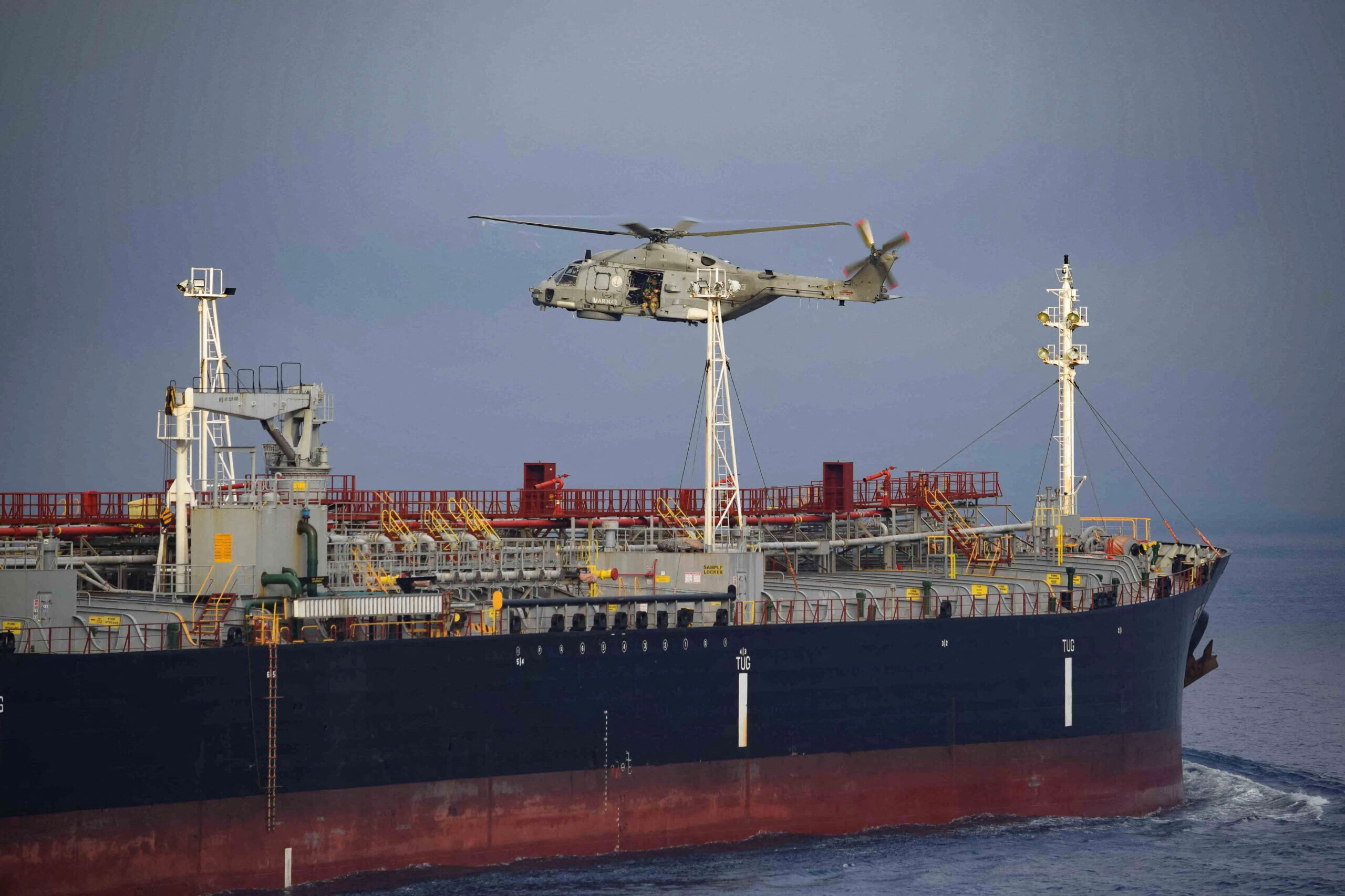
European authorities expand maritime enforcement as new sanctions approach.
BRUSSELS, Belgium. European Union naval forces have boarded an oil tanker suspected of operating within Russia’s so-called shadow fleet, confirming that the vessel was sailing under a false flag as Brussels intensifies efforts to enforce restrictions on Russian energy exports.
The operation took place on November 13, 2026, in the Mediterranean Sea, according to EU foreign policy chief Kaja Kallas, who publicly disclosed the inspection two days later.
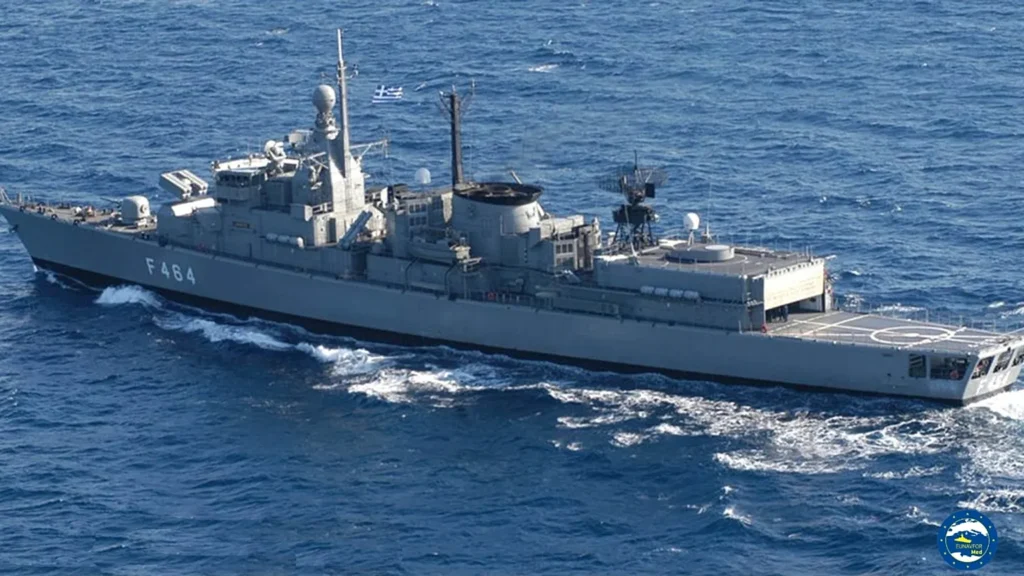
Personnel from Operation EUNAVFOR MED IRINI boarded the tanker MV Midag under Article 110 of the United Nations Convention on the Law of the Sea, which establishes circumstances in which warships may inspect vessels on the high seas.
Kallas stated that the inspection confirmed irregularities involving the vessel’s claimed nationality. Maritime tracking reports identified the tanker as sailing under the flag of Zimbabwe.
However, the confirmation of a false flag does not independently establish the vessel’s ultimate ownership, the origin of its cargo or responsibility for sanctions violations.
The boarding forms part of a wider European strategy targeting maritime networks suspected of facilitating Russian oil exports despite Western restrictions introduced following Moscow’s full-scale invasion of Ukraine in February 2022.
The term shadow fleet generally refers to vessels operating through opaque ownership arrangements, frequently changing registrations and using complex commercial structures that make their activities difficult to trace.
Such practices can complicate sanctions enforcement and create additional concerns about maritime insurance, regulatory compliance and environmental responsibility.
Russia disputes Western allegations surrounding its supposed shadow fleet and has criticized sanctions targeting its energy sector.
The Mediterranean has become an important area of European maritime scrutiny because it provides transit routes connecting major oil-exporting regions with international markets.
Operation IRINI was established in March 2020 primarily to support enforcement of the United Nations arms embargo on Libya.
Its original responsibilities also included monitoring suspected oil smuggling, gathering information about human trafficking and supporting relevant Libyan institutions.
In October 2026, the mission’s mandate was extended until March 31, 2029, with additional responsibilities involving European security interests and efforts to constrain suspected Russian shadow fleet activity.
The inspection of MV Midag follows similar flag-verification operations involving the vessels MV Sun and MV Toa Payoh in August.
Kallas also announced that EU foreign ministers were expected to consider additional sanctions on November 16, targeting banks, oil buyers and companies accused of supporting Russia’s maritime oil-export networks.
Those measures had not yet been formally approved at the time of her announcement.
The latest boarding illustrates a shift toward combining financial sanctions with direct maritime verification.
For European authorities, the challenge involves enforcing international restrictions while respecting established maritime law and maintaining safe commercial navigation.
More broadly, the operation demonstrates how the economic consequences of the war in Ukraine continue to extend into global shipping, energy markets and international regulatory cooperation.
Beyond the Headlines, Accountability Matters.