

 Phoenix 24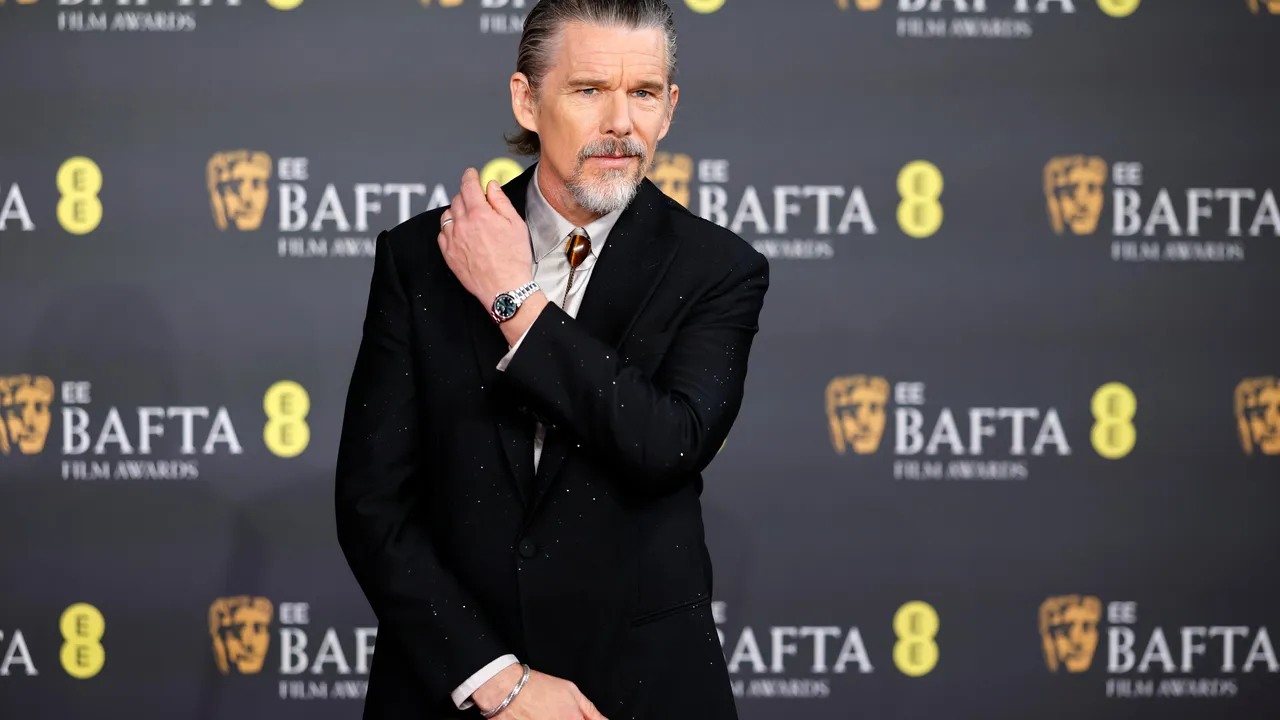
An open microphone turned frustration into an unforgettable film-set story.
New York, United States
Ethan Hawke has recalled an uncomfortable moment from the production of Hamlet when he criticized director Michael Almereyda without realizing his microphone was still transmitting every word. The incident happened while Hawke and Kyle MacLachlan were sitting inside a car waiting to film a scene for the 2000 adaptation of Shakespeare’s tragedy. Hawke became increasingly frustrated and began openly questioning Almereyda’s decisions. What he did not know was that the director was listening through his headphones.
MacLachlan quickly realized what was happening and tried to warn Hawke using gestures. Hawke initially failed to understand the signals and continued speaking until he looked outside and noticed Almereyda wearing the headset. By then, the damage was done. The entire outburst had effectively been delivered directly to the person Hawke was criticizing.
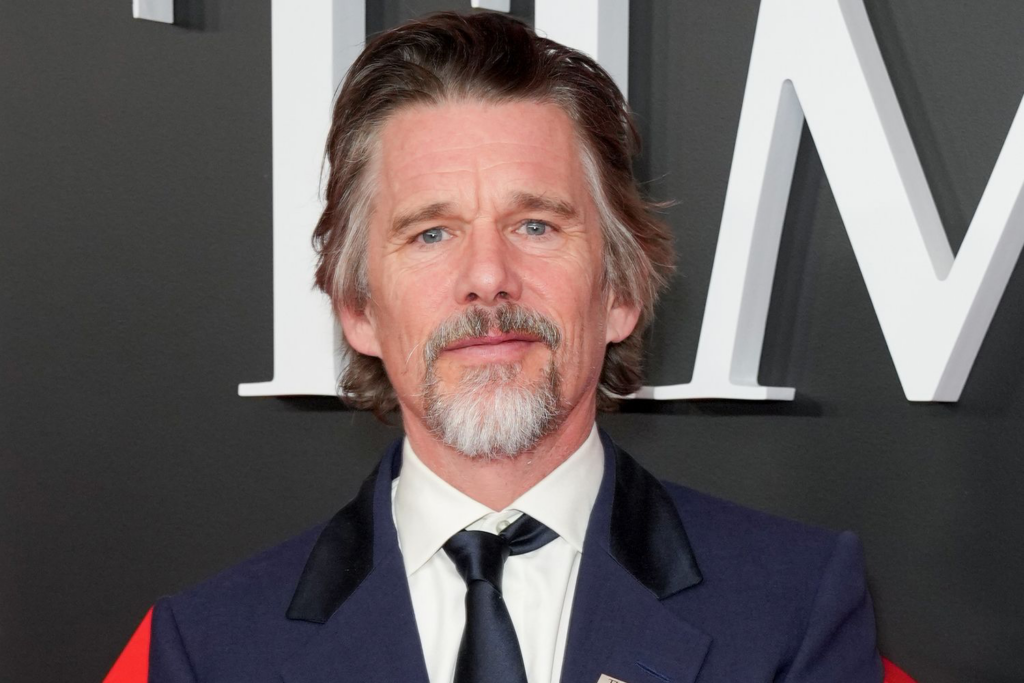
The story resurfaced during a public conversation between Hawke and MacLachlan connected to the release of MacLachlan’s memoir Fictional Selves. Hawke admitted he could no longer remember exactly what had made him so angry that day, particularly because he has worked repeatedly with Almereyda and considers him a friend. The director apparently handled the episode calmly, and no lasting conflict emerged from the mistake. Their later collaboration on Tesla in 2020 confirmed that the relationship survived the incident.
The anecdote also offers a glimpse into the unusual atmosphere surrounding Hamlet. Hawke described the production as extremely low budget but creatively intense, with a cast brought together largely by enthusiasm for Shakespeare. MacLachlan played Claudius, while the ensemble also included Julia Stiles, Bill Murray, Liev Schreiber, Diane Venora, Sam Shepard and Steve Zahn. Hawke remembered Murray studying books about performing Shakespeare while on set, reflecting the seriousness with which the actors approached the material.
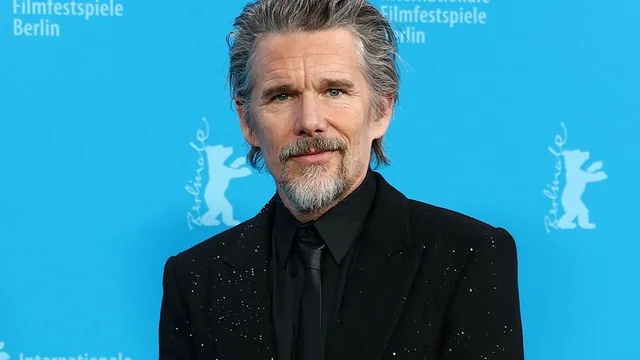
More than two decades later, the open-microphone mistake has become less a story about professional conflict than about the unpredictability of filmmaking. Sets concentrate pressure, waiting, artistic disagreement and technology inside the same space, sometimes with comic consequences. Hawke’s experience is a reminder that even private frustration can suddenly become public when the microphone never really switches off.
The narrative is power too. / La narrativa también es poder.