

 Phoenix 24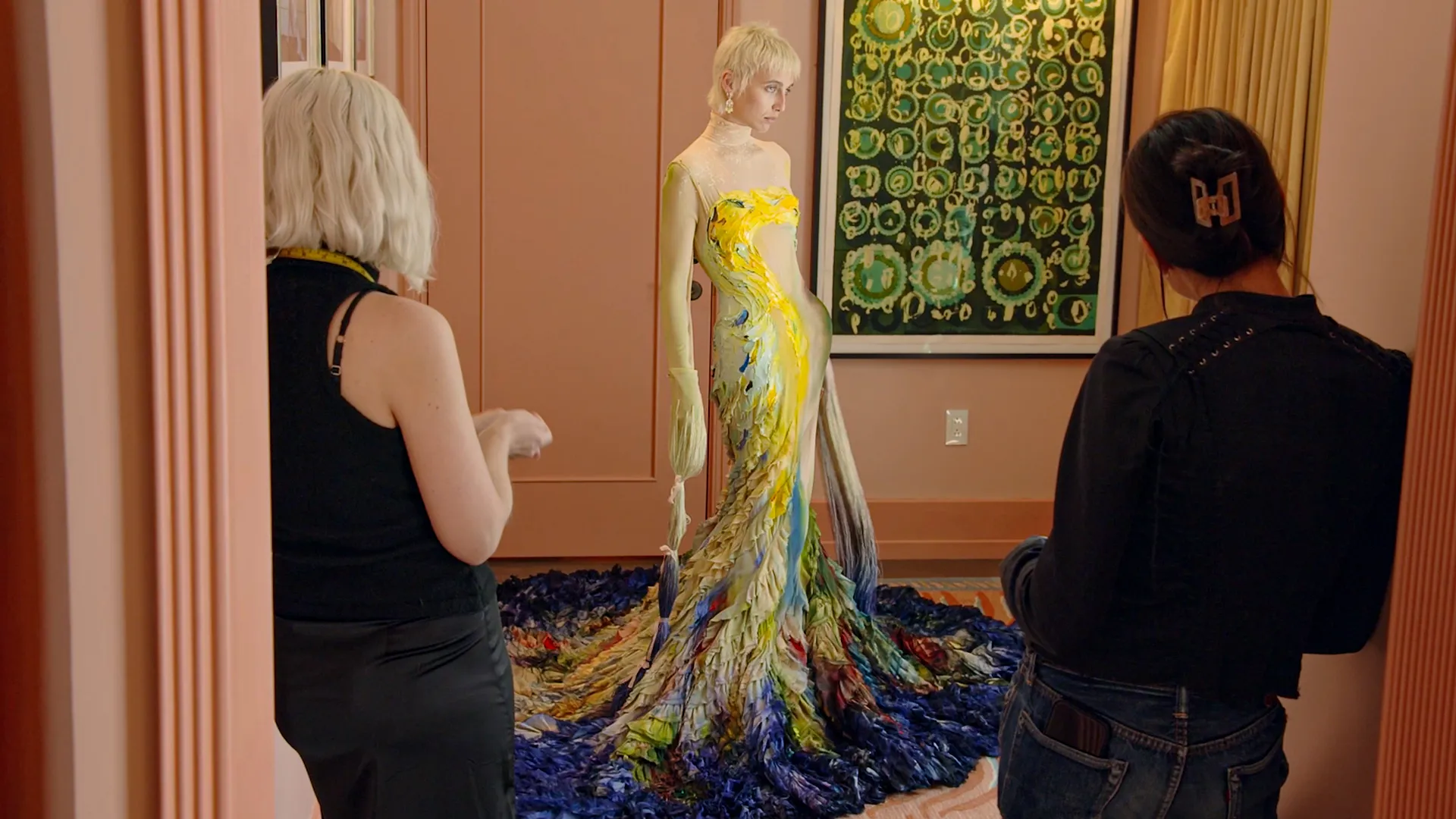
A dress became a slow-made spectacle.
New York, May 2026. Emma Chamberlain drew attention at the 2026 Met Gala with a custom gown that reportedly took 40 hours to hand-paint, transforming the red carpet into a display of craft, patience and visual precision. The look stood out not only for its celebrity impact, but for the way it turned fashion into a wearable canvas.
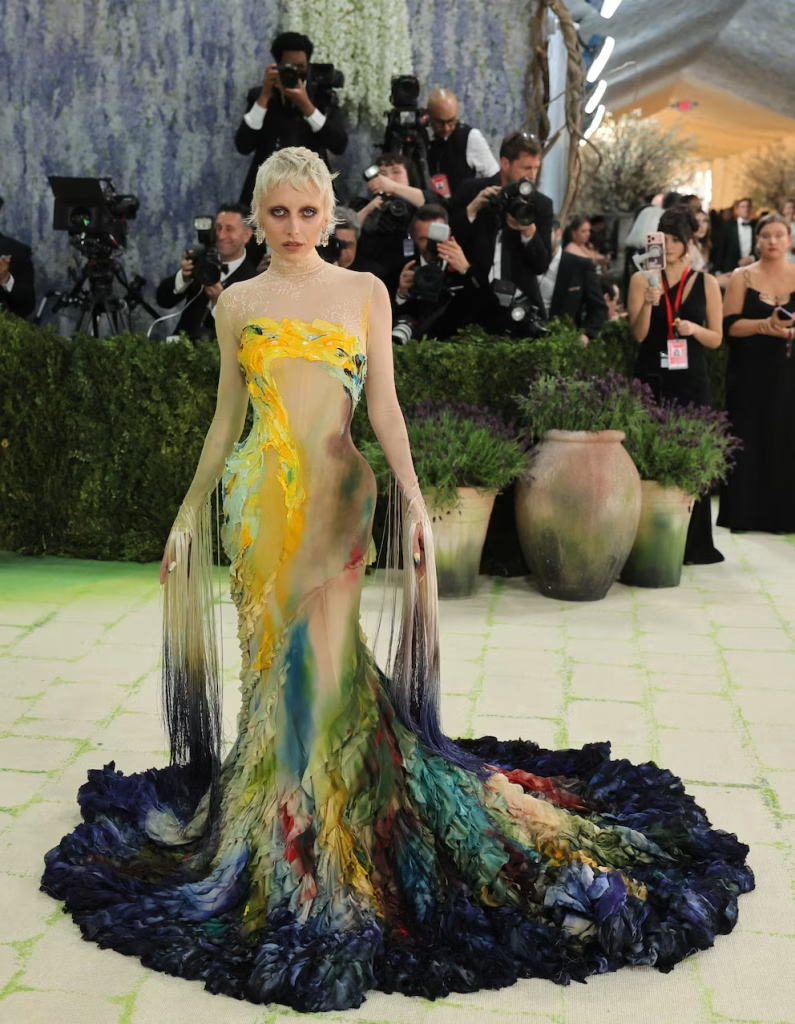
The dress reflects a broader shift in luxury fashion. In an era dominated by viral speed, algorithmic visibility and instant commentary, hand-painted couture reintroduces time as a form of value. The garment becomes more than styling; it becomes evidence of labor, technique and artistic control.
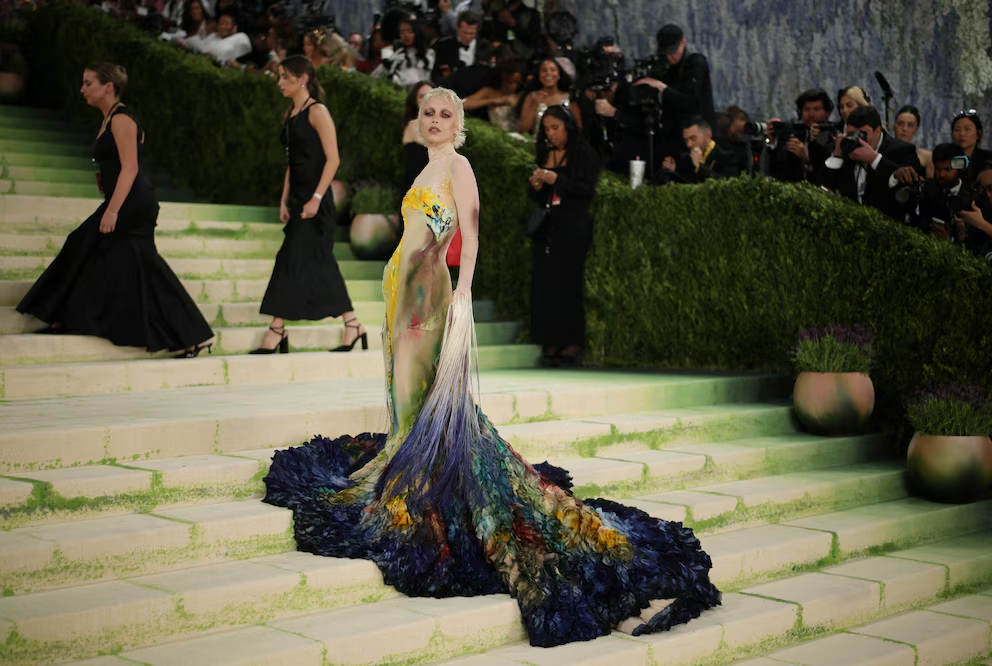
Chamberlain’s presence also matters because she represents a generation that moved from digital influence into institutional fashion spaces. Her Met Gala appearances are no longer treated as influencer moments alone, but as signals of how internet-born figures now occupy the same symbolic terrain as film stars, designers and legacy fashion houses.
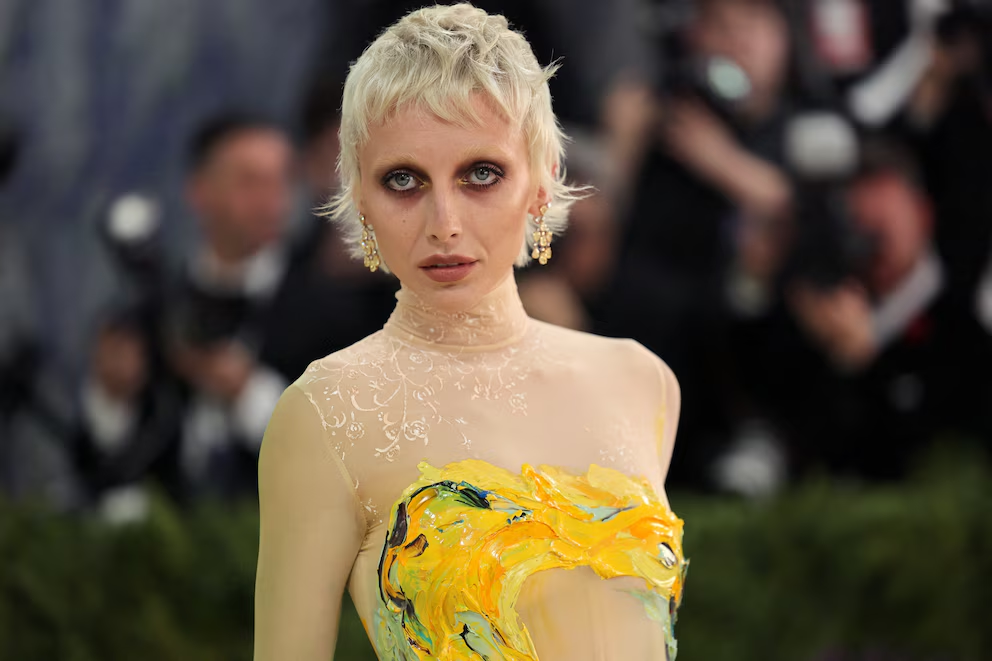
The visual impact lies in contrast. A dress that circulates instantly across social media carries within it dozens of hours of manual work. That tension between digital acceleration and artisanal slowness is precisely what gives the look its cultural force.
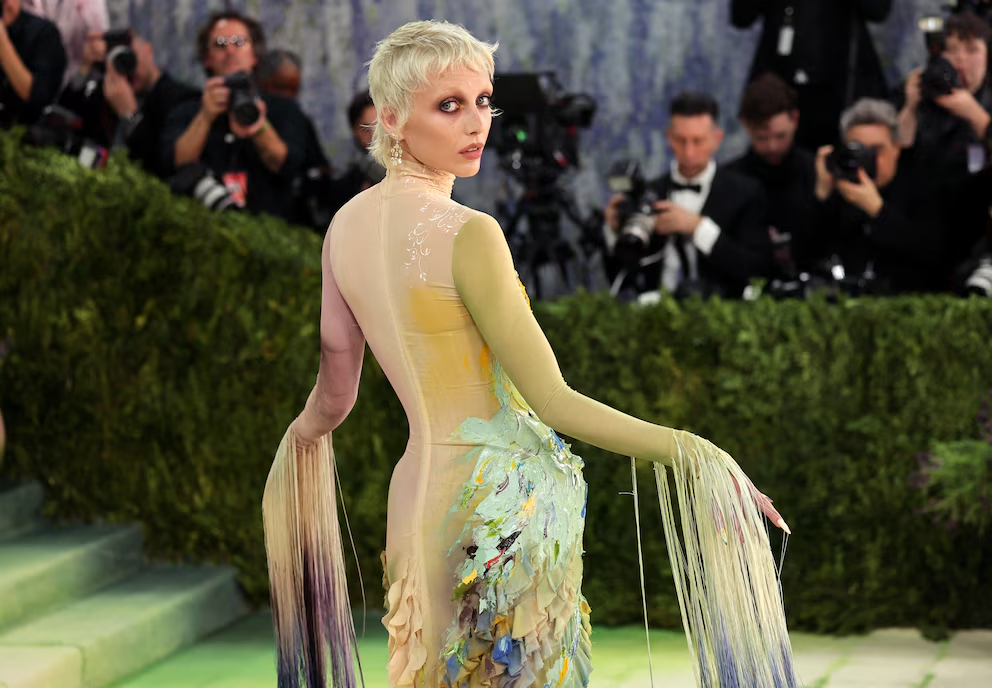
The deeper pattern is clear. The Met Gala is not only a fashion event; it is a stage where celebrity, craft, branding and cultural hierarchy are renegotiated in real time. Chamberlain’s painted dress works because it converts personal image into a controlled artistic object.
In contemporary fashion, attention is no longer enough. The strongest looks must also carry a story, a process and a reason to be remembered.
Hechos que no se doblan. / Facts that do not bend.