

 Phoenix 24
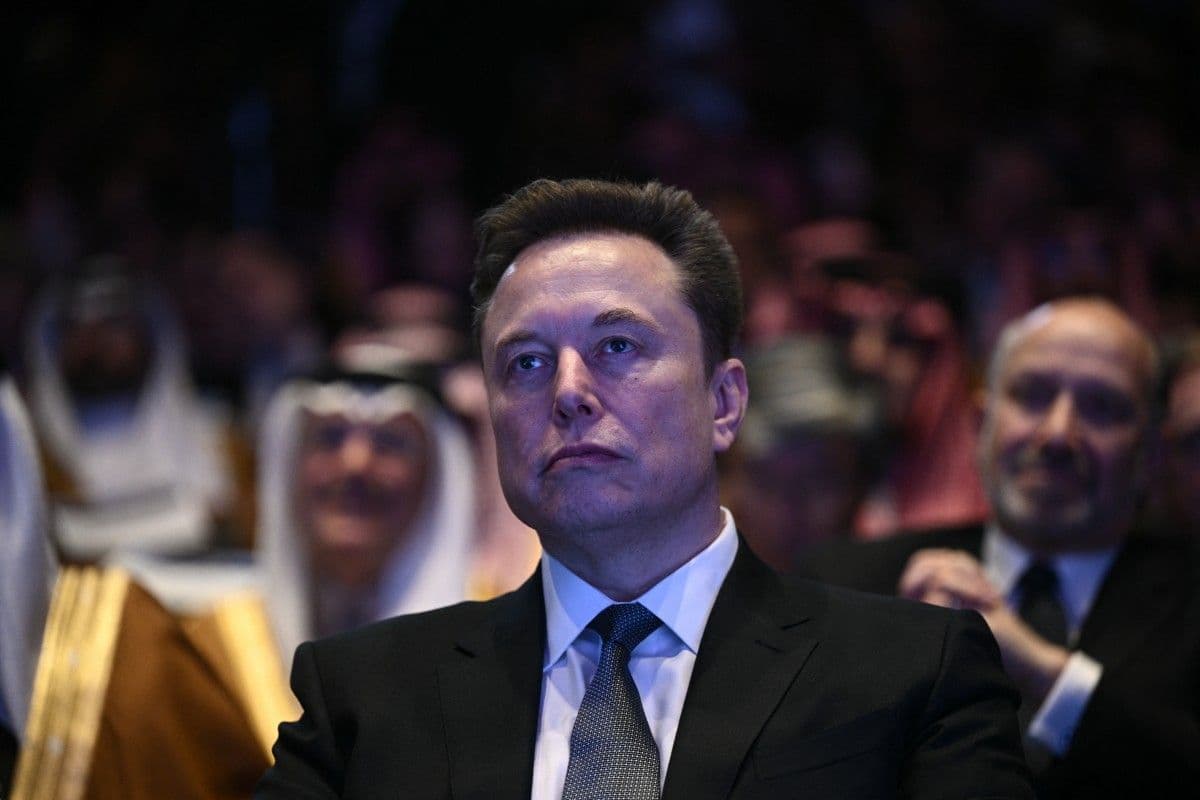
When abundance rhetoric meets economic reality.
San Francisco, January 2026.
Elon Musk, the CEO of Tesla, SpaceX, and xAI, has articulated a striking vision of the future in which advanced artificial intelligence and robotics could reshape the fundamental role of money and work in human societies. Musk has suggested that rapid progress in machine intelligence and automation might eventually produce a level of material abundance that reduces the relevance of traditional income and saving practices, even to the point where conventional concepts of money and retirement financial planning would be obsolete. This perspective emerged in conversations and public appearances over recent weeks, including discussions of how a world heavily mediated by artificial intelligence could transform economic structures and social expectations. The idea rests on the assumption that artificial intelligence and robotics will generate unprecedented productivity, dramatically lowering the cost of goods and services while also enabling new forms of universal wealth distribution. Such a scenario places Musk’s remarks within broader debates about the future of work, economic organization, and the distribution of technological dividends.
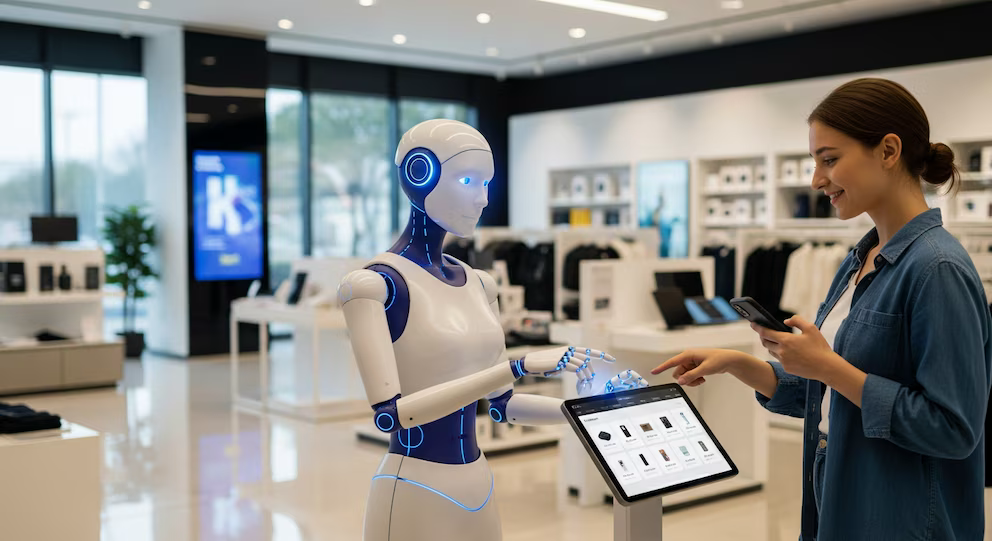
Musk’s predictions are rooted in a particular interpretation of how technological abundance could interact with economic systems. He posits that if artificial intelligence and automation achieve high levels of efficiency and capability, they could produce wealth at scales far beyond what human labor alone can generate. In this imagined future, many traditional forms of employment might become optional as machines shoulder the bulk of productive activity, and individuals would no longer need to work to secure basic material needs. From this vantage point, money becomes less central not because it disappears in a literal sense but because its role as a scarcity-mediating mechanism would diminish if scarcity itself is dramatically reduced. Advocates of this view see it as an extension of discussions about universal basic income or universal high income in a highly automated economy. The concept challenges long-standing assumptions about the necessity of labor for economic participation and the role of money as a means of securing life’s essentials.
Critics of Musk’s vision, including economists and technology analysts, caution that such a transformation is far from guaranteed and may understate the structural complexities of real economies. They argue that while artificial intelligence and robotics can increase productivity at scale, the distribution of those gains depends on institutional frameworks, market incentives, political power dynamics, and social contracts that do not automatically adjust to technological change. Historical examples of technological disruption often show that gains in productivity can coexist with inequality, underemployment, or concentrated ownership of capital rather than universal prosperity. From this perspective, Musk’s future of reduced money relevance hinges not only on technological developments but also on deliberate policy decisions about taxation, social safety nets, labor law, and democratic governance. The tension between technological possibility and socio-political implementation remains a central fault line in debates about automation’s impact.
Public response to Musk’s remarks has been mixed, with enthusiastic supporters welcoming a bold narrative of prosperity and skeptics urging caution about overly optimistic projections. Surveys and expert commentaries reflect concern that, absent intentional redistribution mechanisms, technological abundance could exacerbate existing inequalities rather than dissolve the economic structures that link labor, income, and social participation. Critics also note the importance of transitional dynamics; even if abundance becomes technically possible, the path to that future may involve years of disruption in labor markets, education systems, and social institutions that are not prepared for rapid change. From this standpoint, the question is not only whether technology can produce more goods with less human labor, but how societies choose to govern the distribution of wealth and opportunity. The future of economic relevance thus intersects with governance choices as much as with algorithmic innovation.

Musk’s framing of a post-money future also engages with philosophical questions about human purpose and meaning in a world where traditional economic motivations are transformed. If individuals no longer need to work for material survival, the role of work as a source of identity, social structure, and personal fulfillment may evolve in unpredictable ways. Some futurists see this as an opportunity for expanded creative, cultural, and civic engagement, while others warn of social dislocation if economic participation ceases to be a binding link among communities. These debates underscore that technological abundance, if it materializes, will have ramifications that extend well beyond economics into culture, psychology, and collective life. The interplay between human agency and automated capability thus becomes a defining question for societies navigating rapid innovation.
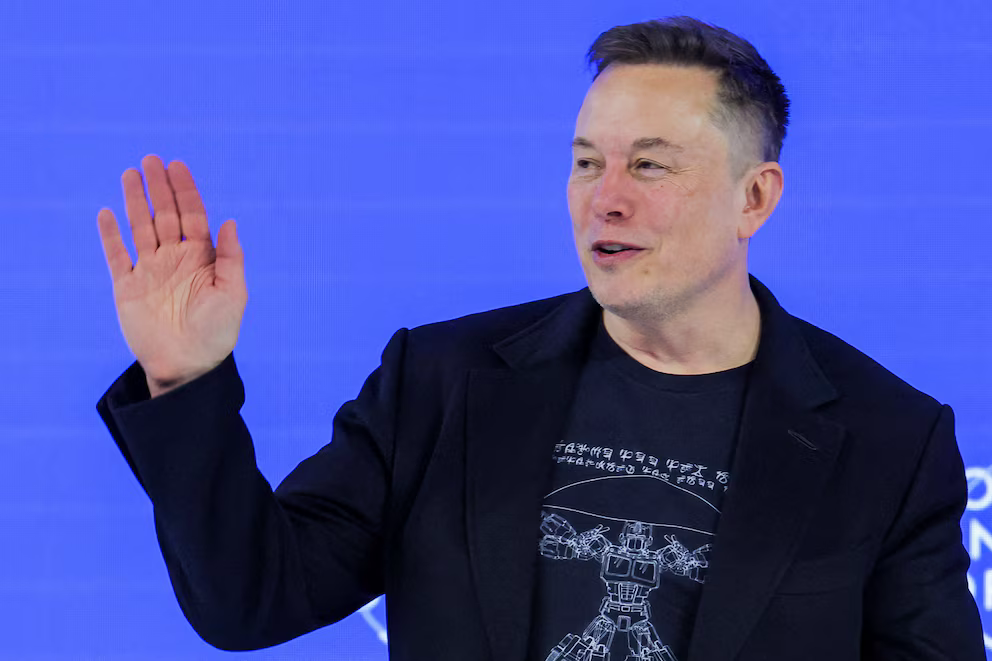
Ultimately, Musk’s vision of a future where money becomes less central is both a technological forecast and a conceptual provocation. It invites reflection on core assumptions about scarcity, value, and economic organization at a moment when artificial intelligence and robotics are indeed accelerating change across multiple sectors. Whether such a future can be realized in ways that are equitable, sustainable, and socially beneficial depends on complex interactions among technology, policy, culture, and institutional design. The conversation Musk has sparked highlights not only the potential of artificial intelligence to transform material conditions but also the enduring significance of collective choices about how to shape that transformation.
Truth is structure, not noise. / La verdad es estructura, no ruido.