

 Phoenix 24
Billionaire investment raises new questions about media influence.
New York, United States
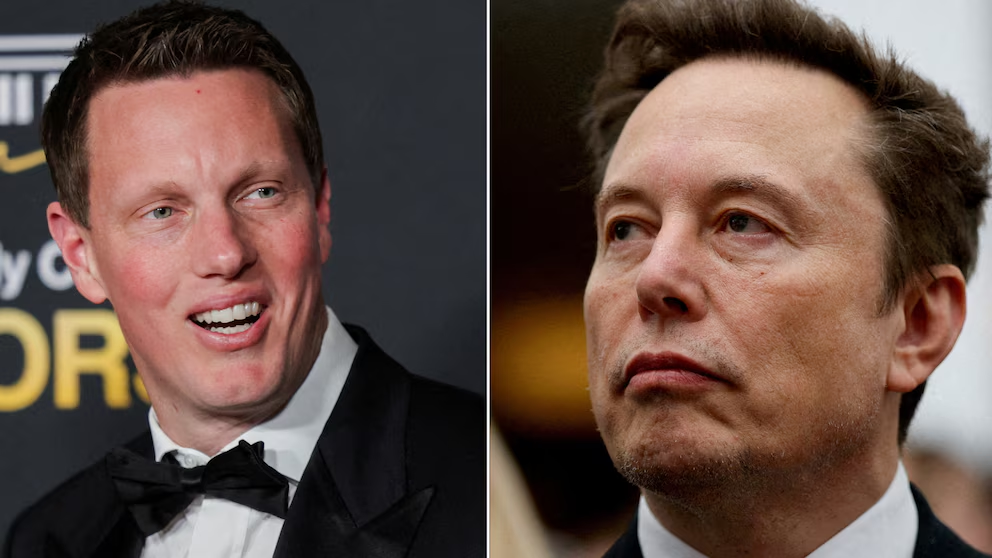
Elon Musk has become a shareholder in Skydance, the newly consolidated entertainment company bringing together Paramount and Warner Bros. Discovery, marking another significant expansion of the technology billionaire’s financial interests into global media. The investment, estimated at approximately $1 billion, was publicly confirmed by Skydance chairman and chief executive David Ellison during The New York Times DealBook Summit on November 18. His announcement places one of the world’s most influential technology entrepreneurs within a corporation controlling major film studios, streaming platforms and international news organizations.
Ellison welcomed the investment enthusiastically, describing Musk as the greatest entrepreneur of the current generation and expressing admiration for his achievements in electric vehicles, aerospace engineering and technological innovation. He characterized Musk’s decision to acquire a stake in Skydance as an important endorsement of the company’s leadership and future prospects. Nevertheless, Ellison did not disclose the precise amount invested, leaving the approximately $1 billion figure attributed to earlier reporting by Semafor and other financial publications.
The transaction follows Skydance’s completion of its acquisition of Warner Bros. Discovery on October 6, creating one of the largest integrated entertainment groups in the world. The combined company brings together Paramount Pictures, Warner Bros., HBO, Paramount+, CBS, CNN, Nickelodeon and numerous other international media brands. Its operations encompass film production, television broadcasting, streaming services, news programming and extensive intellectual property portfolios.
Musk’s arrival carries implications beyond the immediate financial contribution. Through Tesla, SpaceX and his broader technology investments, the entrepreneur has established a substantial presence in industries ranging from transportation and satellite communications to artificial intelligence. His participation in Skydance introduces the possibility of future commercial relationships connecting entertainment distribution, digital infrastructure and emerging technologies.

Ellison acknowledged that potential collaborations involving Musk’s businesses could eventually become attractive, particularly as media companies reconsider how content reaches international audiences. Satellite connectivity, artificial intelligence and digital distribution represent possible areas of technological convergence. However, he emphasized that no additional partnership had been agreed upon, making any specific commercial arrangement a prospective possibility rather than an announced business initiative.
The investment also reflects established relationships among influential technology entrepreneurs. David Ellison’s father, Oracle cofounder Larry Ellison, has maintained close financial ties with Musk and contributed approximately $1 billion to the acquisition of Twitter in 2022. Larry Ellison also played an important financing role in the Paramount and Warner Bros. Discovery transaction, helping establish the capital structure supporting the newly combined entertainment company.
Those relationships have attracted attention because Skydance controls organizations whose responsibilities extend beyond commercial entertainment. CBS News and CNN occupy prominent positions in American and international journalism, where editorial independence, institutional credibility and public confidence are essential. The introduction of a high-profile shareholder with substantial political visibility and extensive business interests inevitably creates questions about the boundaries between financial ownership and editorial decision-making.
One immediate test involves Musk, a documentary directed by filmmaker Alex Gibney that critically examines the billionaire’s personal and professional trajectory. The production, distributed by A24, has drawn objections from Musk and his representatives, creating uncertainty among observers about whether the new shareholder relationship could influence its availability on HBO Max.
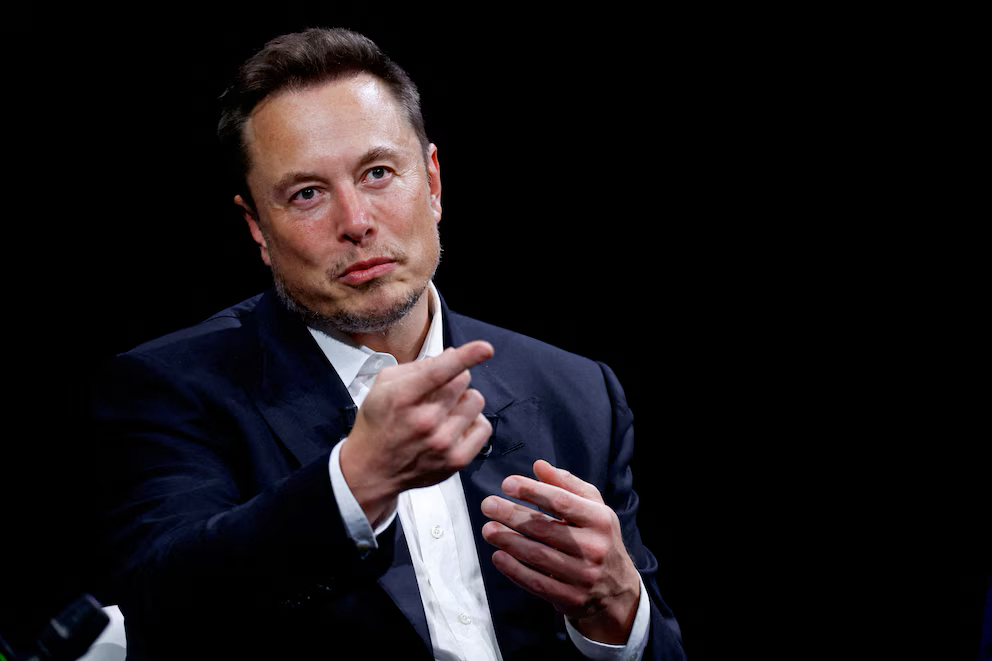
Ellison rejected suggestions that the investment would prevent the documentary from reaching audiences. During his appearance at the DealBook Summit, he confirmed that Skydance intends to honor its existing distribution agreement and proceed with the film’s planned streaming release in 2027. His response established a public commitment to maintaining the contractual arrangement despite the involvement of the documentary’s subject as a shareholder.
The distinction between financial participation and editorial authority remains crucial. Becoming an investor does not automatically provide control over programming decisions, journalistic investigations or creative projects. The practical independence of media institutions, however, depends on governance structures, transparent decision-making and the willingness of corporate leadership to protect editorial processes when commercial relationships create competing interests.
For Skydance, the economic context is equally significant. The integration of Paramount and Warner Bros. Discovery involves substantial financial obligations, operational restructuring and efforts to achieve greater efficiency across overlapping businesses. Additional investment capital may provide strategic flexibility, but sustainable financial performance will ultimately depend on revenue growth, effective content development and the successful integration of the company’s extensive portfolio.
The convergence of technology and media also introduces broader questions about the future of entertainment. Artificial intelligence is beginning to influence production workflows, visual effects, content recommendations and audience analysis, while satellite connectivity could expand access to audiovisual services in geographically underserved markets. These developments offer commercial opportunities, but also raise concerns about creative labor, ownership of intellectual property and the concentration of technological capabilities within a limited number of corporations.
Musk’s investment arrives at a moment when traditional entertainment companies face intense competition from digital platforms and rapidly changing consumer behavior. Audiences increasingly distribute their attention across streaming services, social networks, video platforms and emerging interactive technologies. Corporations capable of combining strong entertainment franchises with advanced digital infrastructure may acquire important advantages, although technological investment alone cannot guarantee commercial success.
The central significance of the transaction therefore extends beyond the estimated $1 billion contribution. It reflects a broader transformation in which influential technology investors are acquiring financial interests in companies responsible for producing entertainment, distributing information and shaping public conversations.
For David Ellison, welcoming Musk offers an opportunity to strengthen investor confidence and explore future technological possibilities. For Skydance, the challenge is to translate that financial relationship into sustainable business value while preserving the creative freedom and journalistic independence expected of its media organizations.
The ultimate measure of the investment will not be the prominence of the personalities involved, but whether corporate governance can maintain clear boundaries between commercial influence, technological ambition and editorial responsibility.
Power Shapes Narratives. Facts Challenge Them.