

 Phoenix 24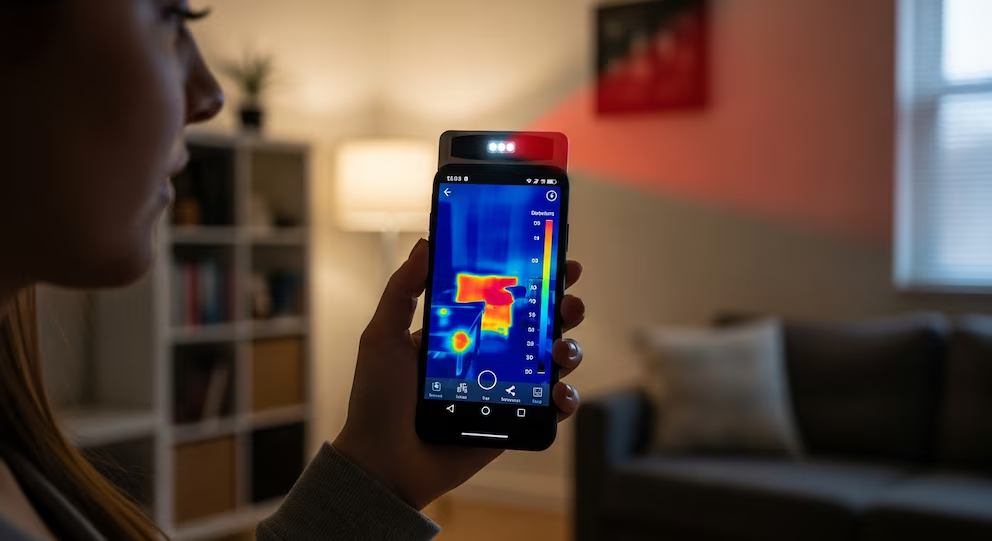
In a world where smartphones are central to everyday life, a small and often overlooked sensor can transform a device into a universal controller for your home electronics.
In 2026 many smartphones still include an infrared blaster, a small hardware component that emits invisible infrared signals capable of communicating with a wide range of consumer electronics. This type of sensor operates in a wavelength that cannot be seen by the human eye and functions much like the simple remote controls that have existed for decades. When present on a phone the infrared emitter can send coded pulses to televisions air conditioners set top boxes sound systems and other devices that are equipped with an infrared receiver. Because the technology works without relying on internet connectivity Bluetooth pairing or proprietary apps that depend on cloud services it can be particularly useful in situations where wireless networks are unstable unavailable or intentionally disabled.
To determine whether a smartphone includes an infrared blaster the first step for most users is to examine the top or the upper edge of the device for a small circular or oval opening that houses the emitter. The exact position can vary by manufacturer and model so visual inspection should be combined with a review of the official device specifications. Some phones also include a built in system information menu or hardware diagnostic tool that identifies the presence of infrared hardware. There are applications that perform simple hardware checks and can report whether the infrared blaster is present based on system level hardware queries. Confirming the presence of this component matters because although it may seem antiquated it offers a tangible function that many users overlook.
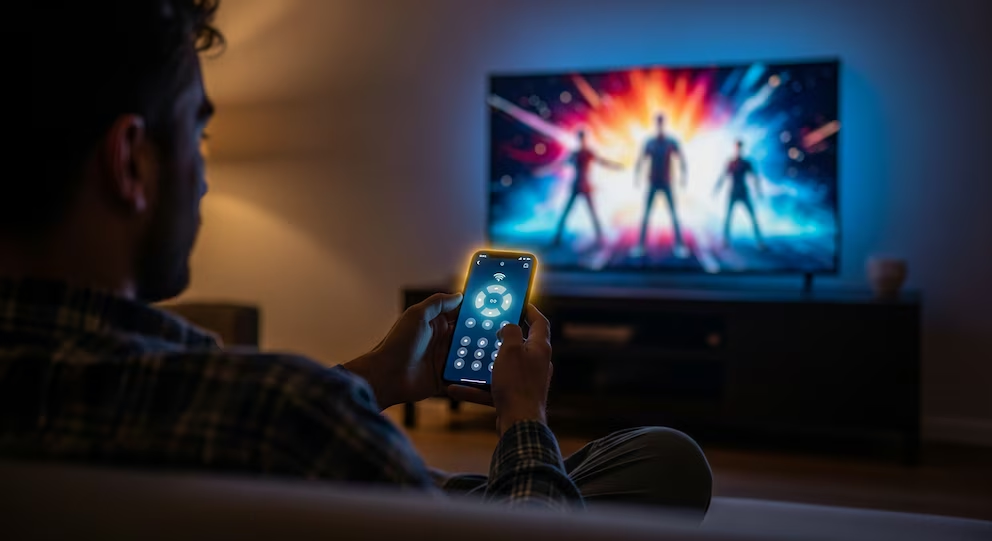
Once identified the infrared feature can be harnessed through a remote control application installed on the phone. This application can be provided by the device maker or set up through a widely available universal remote app. When configured the phone’s user interface becomes a control panel that can adjust television channels modify volume air conditioner settings change inputs on audiovisual systems and operate other compatible electronics. For many households consolidating all remote controls into a single device eliminates clutter and simplifies the user experience. Instead of juggling multiple plastic controls each with different button layouts users can point and tap on a familiar screen that most carry with them at all times.
The appeal of smartphone based infrared control extends beyond convenience. Because infrared communication does not depend on internet access it works in offline environments or during network outages. This means that it can control older devices that lack smart connectivity as well as modern equipment. In regions where internet service is expensive unreliable or intentionally restricted the ability to manage electronics without network dependency can be particularly valuable. For users with mobility limitations integrating remote functions into a smartphone interface can also enhance accessibility and reduce barriers to interaction with household technology.

Despite these advantages not all modern smartphones include an infrared blaster. As wireless technologies such as Wi-Fi Bluetooth and proprietary smart home standards have become more widespread many manufacturers have phased out built in infrared hardware in favor of software based control methods or voice enabled assistants. This shift has made the infrared feature less common in newer models but for those devices that still retain it the practical utility remains significant and in many cases underappreciated. Knowing whether your phone has this capability can expand its utility far beyond calls messaging and apps turning it into a versatile device for everyday control tasks.
Checking for infrared and using it appropriately empowers users to maximize the hardware already in their hands and to bridge the gap between traditional consumer electronics and contemporary smart control paradigms. This integration of older technology with modern usage patterns highlights how features that once seemed obsolete can retain relevance when reimagined within current behavioral and technological contexts. In an era where connectivity often depends on complex networks and cloud services the simplicity of infrared control offers a counterintuitive but reliable option that can reinforce autonomy and functional resilience.
Understanding how to verify the presence of infrared hardware and how to configure remote control functions enables users to unlock practical capabilities that most phones carry but few utilize. Rather than accepting that a smartphone is only for communication social applications or multimedia consumption recognizing that it can serve as a central control point for everyday devices invites a more holistic view of personal technology. An infrared blaster may seem like a relic from an earlier stage of mobile development but in the hands of informed users it becomes a tool that connects past and present technologies into a seamless experience. Behind every sensor in a smartphone there lies potential utility that goes beyond its surface purpose waiting to be discovered and put to use.