

 Phoenix 24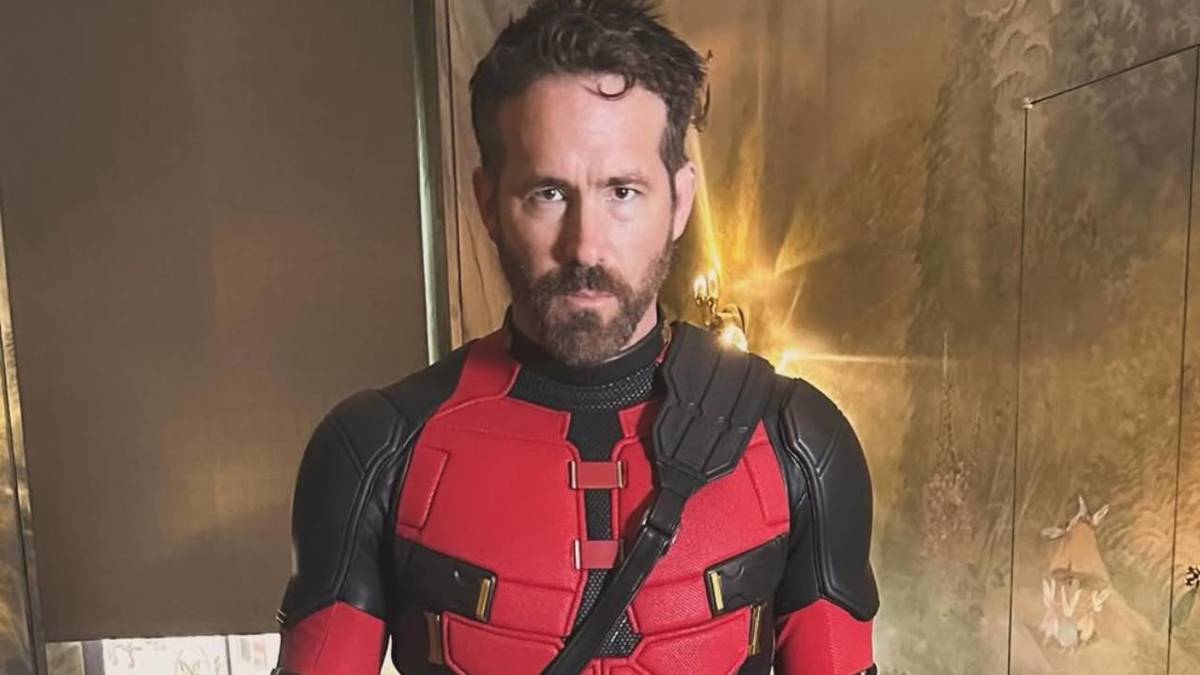
Marvel may need him inside the machine.
Los Angeles, April 2026
Ryan Reynolds has begun sketching a future for Deadpool that looks less like another standalone disruption and more like a controlled insertion into Marvel’s wider machine. According to his latest remarks, he is already working on new ideas for the character, but he does not see the next step as another solo film built around the same formula. That matters because Deadpool’s success has always depended on his ability to stand slightly outside the system he mocks. Once Marvel starts deciding where to place him next, the real question is no longer whether he returns, but how much of his outsider identity can survive deeper integration.
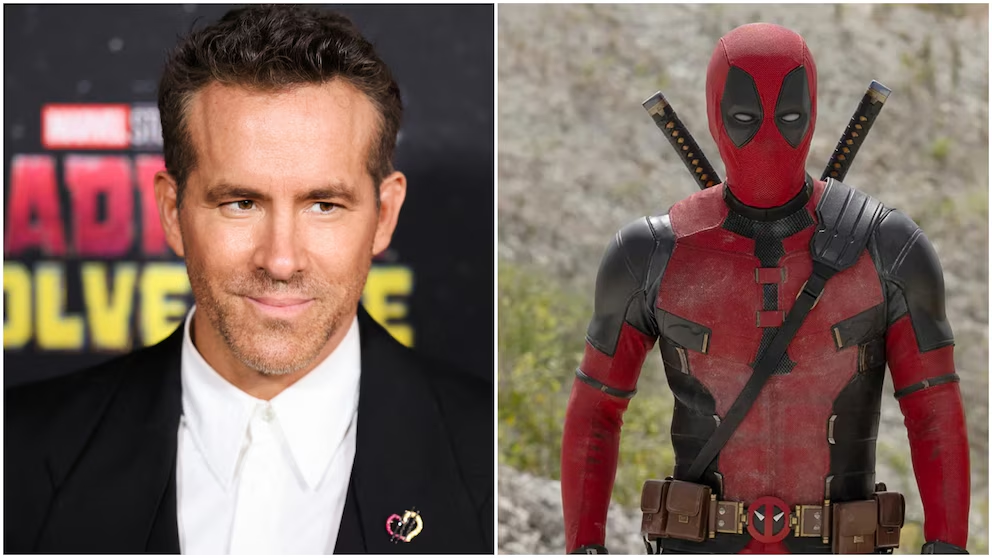
Reynolds appears to understand that risk clearly. His comments suggest that Deadpool works best not as a central institutional hero, but as a destabilizing supporting presence inside larger group dynamics. In narrative terms, that is a revealing shift. It means the character’s future may lie less in carrying a new saga alone and more in colliding with other franchises, teams, or ensemble structures that allow his irreverence to remain disruptive. The logic is sound: Deadpool becomes less interesting when he is fully absorbed by the very universe he was designed to interrupt.
That tension is now central to Marvel’s larger challenge. The studio needs characters with proven box office force, and Deadpool already demonstrated that he can deliver commercially at an extraordinary scale. But commercial success does not automatically solve narrative placement. A character built on vulgarity, meta-humor, and antiheroic distance cannot be inserted into the MCU too neatly without losing the friction that made him valuable in the first place. Marvel wants the energy, the audience, and the profitability. What it cannot afford is to flatten the anomaly into a standard team player.
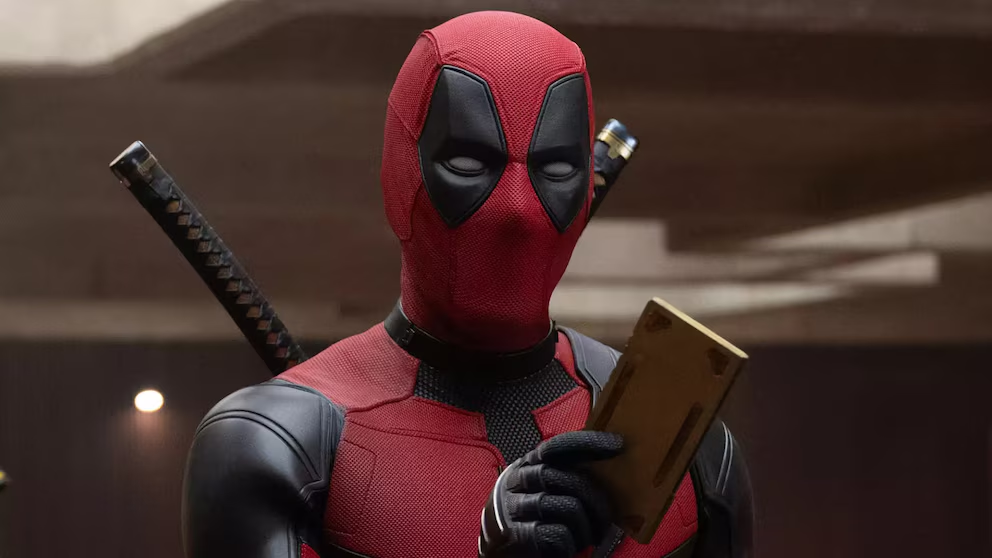
This is why Reynolds’ resistance to another solo installment is more strategic than reluctant. A fourth standalone film risks repetition, especially for a character whose appeal depends heavily on surprise, tonal aggression, and the feeling that he is getting away with something the franchise barely controls. If the structure becomes too familiar, Deadpool stops feeling dangerous and starts feeling managed. That is fatal for a figure whose entire mythos depends on misbehavior. Reynolds seems to be signaling that the brand can only remain alive if it changes the setting before the formula hardens into self-parody.
There is also a deeper storytelling truth beneath his position. Deadpool needs proximity to power without full acceptance by it. He can orbit the Avengers, brush against the X-Men, or contaminate broader Marvel events, but the moment he becomes fully institutional inside one of those collectives, his dramatic arc begins to close. He is funniest, sharpest, and most narratively useful when he remains the strange body in the room, the character who belongs enough to appear but not enough to settle. Marvel can use that tension, but only if it resists the temptation to normalize him.
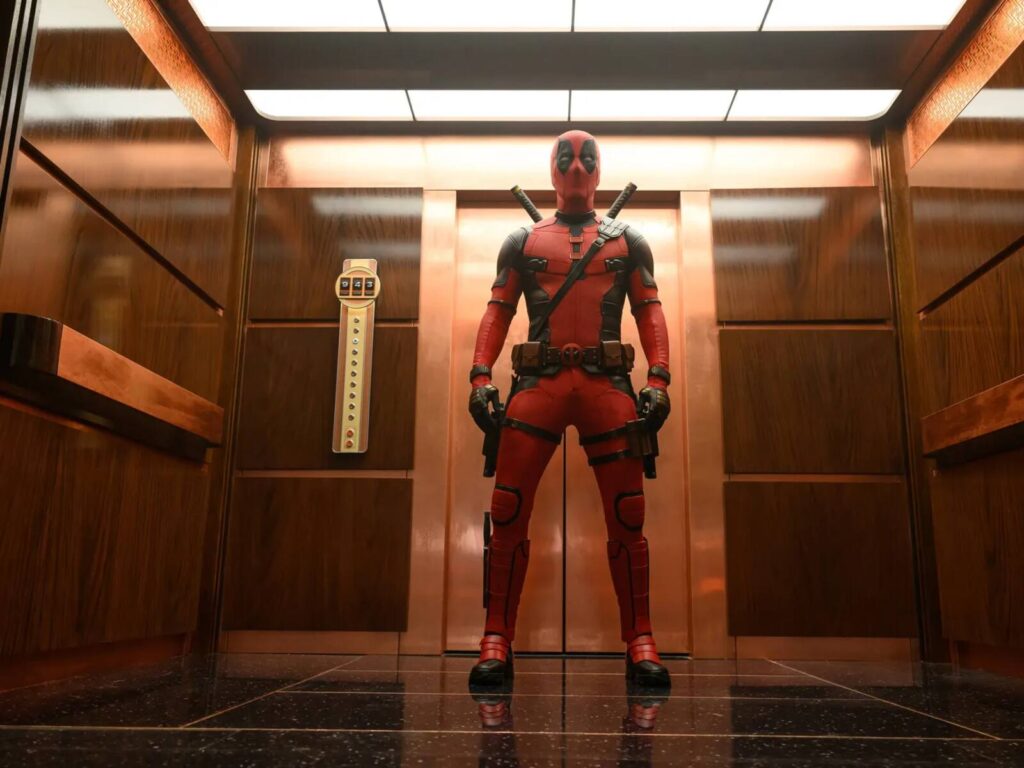
The timing of this conversation matters because Marvel is still trying to rebalance its post-peak identity. The studio has spent years expanding its universe horizontally, often at the expense of tonal clarity and event-level coherence. Deadpool offers something rare in that environment: a voice audiences instantly recognize and a style that still cuts through franchise fatigue. But that advantage only holds if his next appearance feels necessary rather than opportunistic. If he is inserted simply because Marvel needs excitement, the move will feel desperate. If he is placed where he can distort a larger narrative from within, the effect could be far more potent.
That is why Reynolds’ latest comments should be read as more than a casual tease about future appearances. They point toward a broader recalibration of how Marvel may choose to handle one of its most commercially explosive characters. Deadpool may still have a future inside the MCU, but not necessarily as the center of his own next spectacle. Instead, he may become something more strategically valuable: a disruptive instrument used at key moments to inject disorder, irony, and unpredictability into a franchise increasingly threatened by its own structural seriousness.
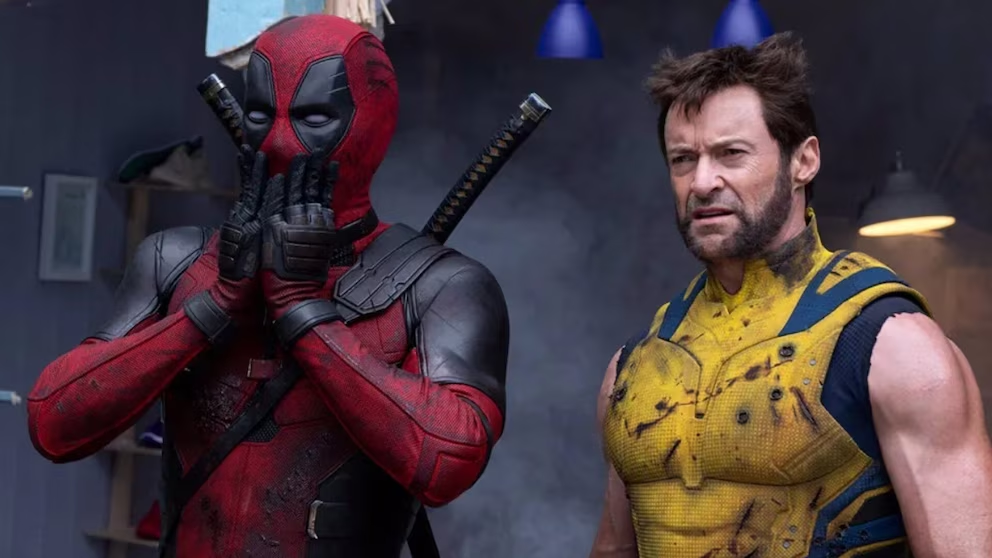
In that sense, the future of Deadpool is not about whether Marvel can keep him alive. It is about whether Marvel can keep him strange. Reynolds seems to know that the character only works as long as he remains partially unclaimed, still capable of mocking the universe that profits from him. The next phase will test whether a corporate franchise can preserve that contradiction without domesticating it. And if it cannot, the danger is obvious. Deadpool would still appear on screen, but the character that audiences actually came for would already be gone.
Behind every data point lies intent. Behind every silence, a structure.
Detrás de cada dato, hay una intención. Detrás de cada silencio, una estructura.