

 Phoenix 24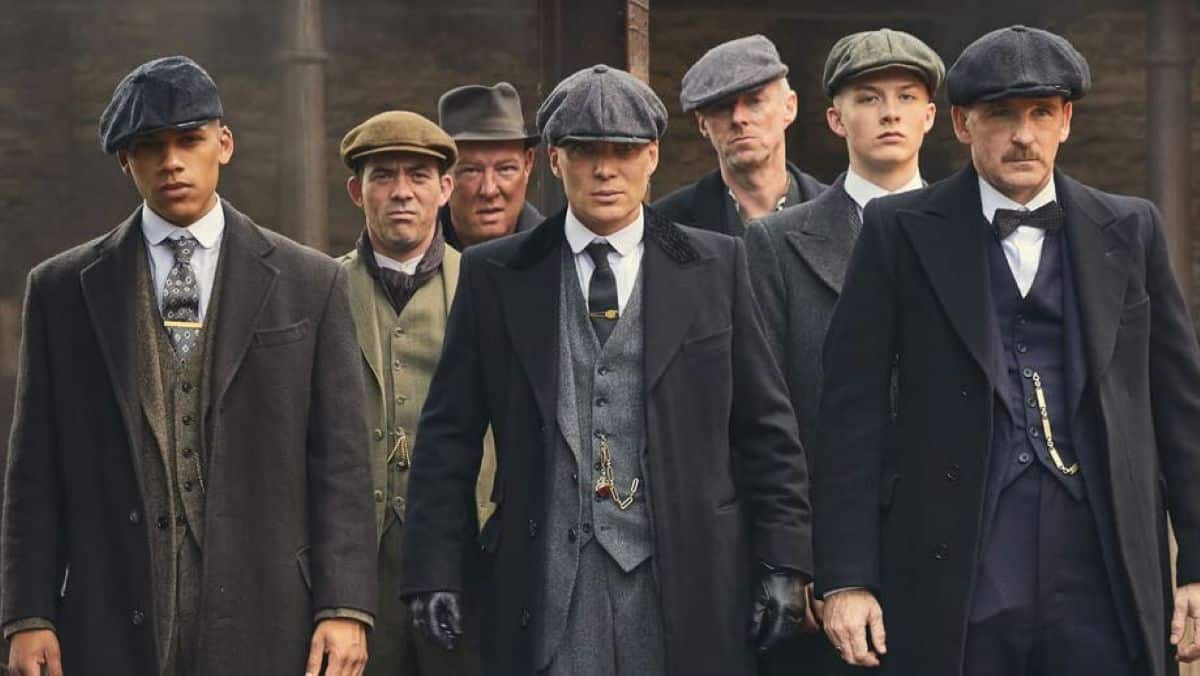
A cinematic revival of one of television’s most acclaimed dramas brings back its central figure with a story that expands beyond the series’ original arc, drawing interest from global audiences and franchise followers alike.
London, December 2025
The world of Peaky Blinders, the British period crime drama that captivated audiences with its gritty depiction of post-war gang life, is poised to return to the screen in a new cinematic chapter titled The Immortal. At the heart of this continuation is Cillian Murphy, whose portrayal of the calculating and enigmatic Thomas Shelby was a defining presence throughout the television series. In recent weeks, production updates and a teaser preview have provided the first glimpses of how this story will transition from episodic television to feature film, generating anticipation among fans eager to see how the franchise evolves.
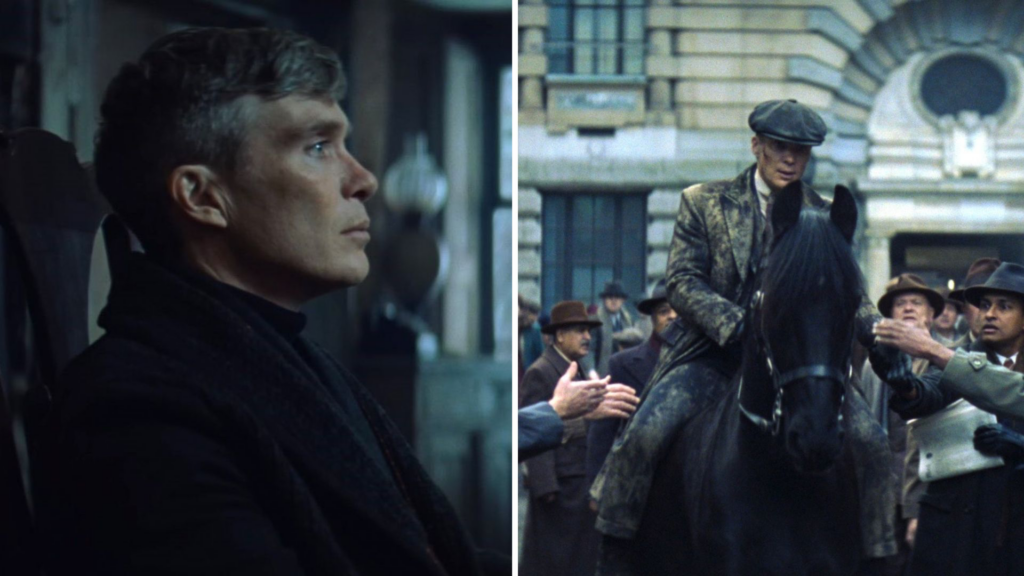
The decision to extend the Peaky Blinders narrative into film reflects both creative ambition and audience demand. The original series, which spanned six seasons, concluded with a narrative arc that left certain questions open and character trajectories rich with possibility. Producers and creative collaborators have long hinted at a cinematic return that would honor the show’s legacy while exploring new thematic territory. The title The Immortal suggests a focus on legacy, survival and the ways in which personal mythologies endure beyond conventional endpoints, aligning with recurrent motifs that shaped the earlier chapters of Shelby family struggles and ambitions.
Cillian Murphy’s involvement as Thomas Shelby anchors the film’s creative continuity. His performance has been widely credited with giving the character psychological depth and moral ambiguity that grounded the world of Peaky Blinders even as it indulged in stylistic flourishes and historical reimaginings. In conversations with collaborators, Murphy has described the opportunity to revisit Shelby not as a simple reprise, but as a challenge to engage with the character at a new stage — one shaped by accumulated experience, loss and the shifting political landscapes that defined the mid-20th century. For audiences, this framing opens space for a narrative that interrogates not only the external dangers Shelby faces but the internal reckonings he must confront as time presses forward.
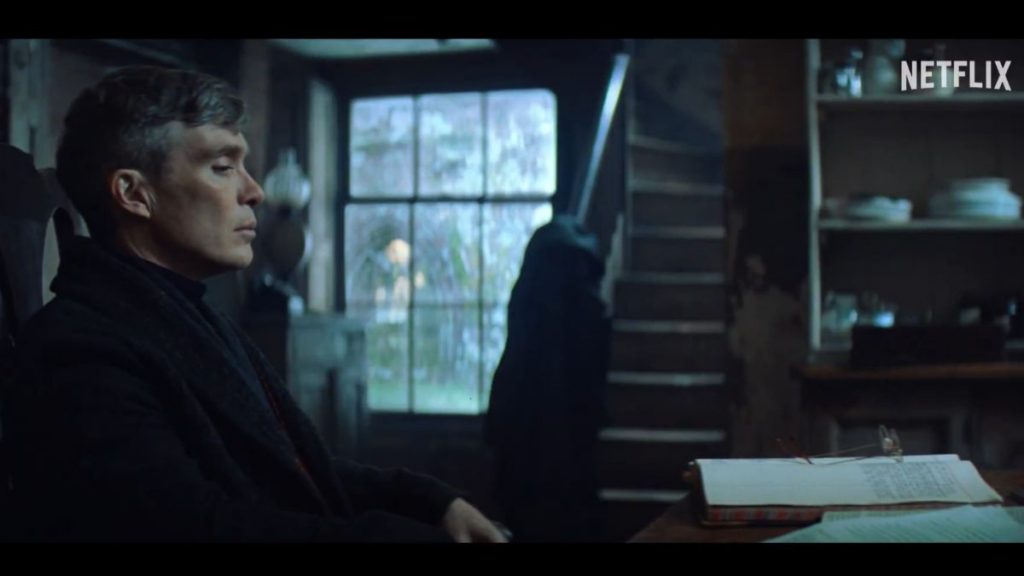
The teaser footage released by the production offers atmospheric cues rather than detailed exposition, positioning Murphy’s Shelby against stark, evocative settings that suggest both continuity with the series’ aesthetic and a movement into broader geographical or ideological terrain. Fans have noted sequences that evoke themes of displacement, power negotiation and existential reflection, all underscored by the franchise’s signature visual language. The use of slow, immersive imagery and a score that balances period sensibility with contemporary resonance signal an intention to preserve the distinct tone that made the original series a cultural phenomenon.
The broader cast and creative team include collaborators who helped define the television run, signaling a commitment to narrative coherence even as the format shifts. Behind the camera, writers and directors with ties to the original production are reportedly engaged in shaping the script and visual design, ensuring that the film emerges not as a standalone project but as an integrated continuation. This approach acknowledges the layered storytelling and character complexity that audiences expect while adapting to the demands of a feature length format.
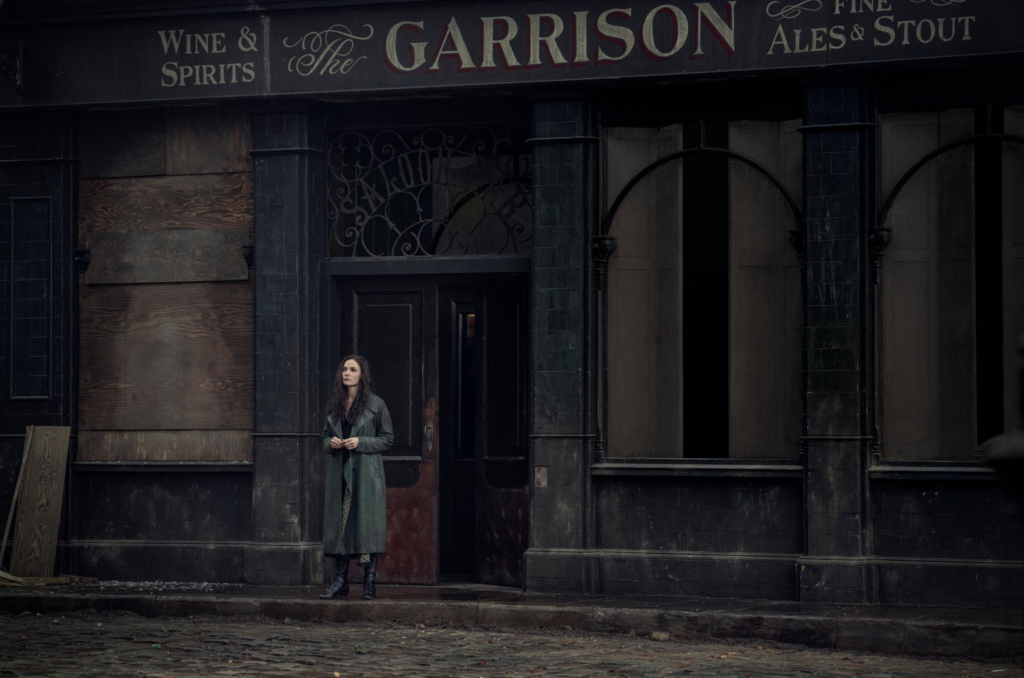
The release date, set for later in 2026, places The Immortal in a competitive cinematic season, where franchises and auteur projects alike vie for audience attention. The film’s positioning reflects confidence in the Peaky Blinders brand and its ability to draw viewers across demographic lines. Cultural commentators have observed that the transition from television series to film is increasingly common for narratives with strong fan engagement and rich fictional worlds, and The Immortal exemplifies this trend by offering both narrative closure for longtime followers and accessible entry points for new viewers.
International interest in the project underscores the global reach that Peaky Blinders achieved as a television series. Its depiction of British history, class dynamics and interpersonal ambition resonated with audiences far beyond its regional origins, contributing to conversations about how local stories gain international traction in the digital era. The film’s production and marketing strategies are being designed with this global audience in mind, balancing cultural specificity with universal themes of power, identity and resilience.
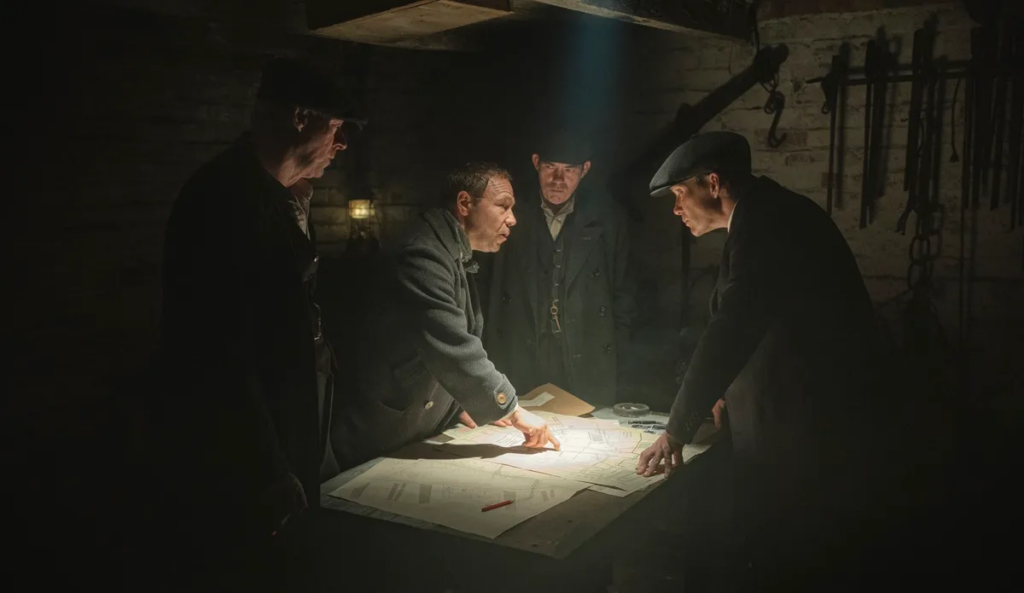
As the cinematic launch approaches, anticipation is likely to be shaped not only by curiosity about plot developments but by reflections on how iconic characters like Thomas Shelby navigate the complex interplay between personal legacy and historical forces. Murphy’s return invites viewers to consider how performance and narrative memory interact when a beloved story expands into a new medium, and what it means for a fictional figure to occupy cultural imagination across formats.
Every silence speaks.
Every silence speaks.