

 Phoenix 24
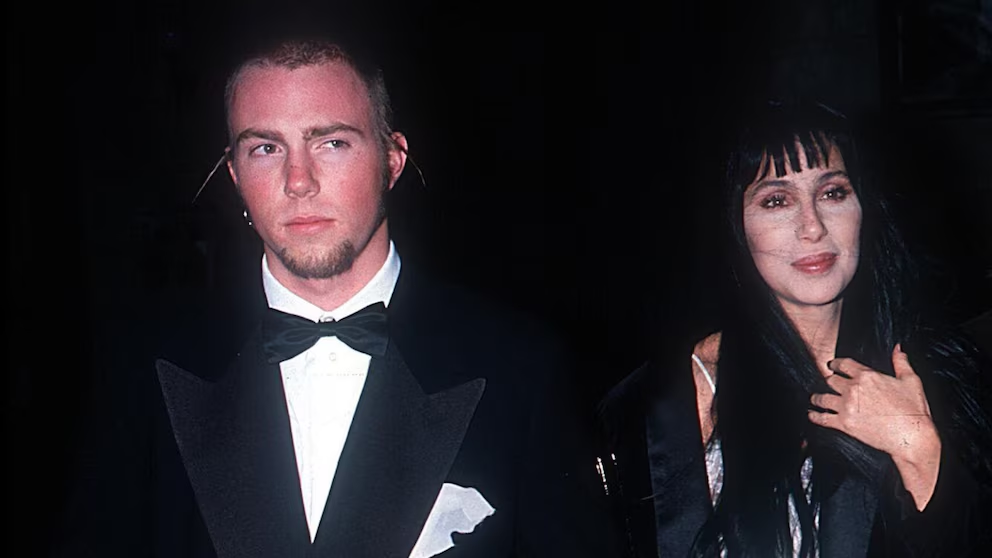
Fame collapses distance, especially in crisis.
Concord, March 2026
The arrest of Elijah Blue Allman, son of Cher and the late Gregg Allman, at a private school in New Hampshire is being covered as a celebrity legal incident, but the structure of the story is broader than celebrity scandal. What begins as a report about disorderly conduct quickly becomes a collision between public notoriety, institutional vulnerability and the speed at which local policing events are absorbed into national entertainment media. In this case, the name attached to the incident moved it out of the category of routine police blotter material almost immediately. The event was no longer just about an unwanted person at a school. It became a reputational and narrative event with multiple audiences at once.
Public reporting indicates that police responded to a disturbance at St. Paul’s School in Concord, where Allman allegedly had no connection to the institution and was described as acting belligerently in the dining hall area. Coverage across U.S. outlets converged on a similar set of charges, including simple assault, criminal trespass, criminal threatening and disorderly conduct, while also noting that he was processed and later released on bail or personal recognizance. Those details matter because they anchor the story in procedural reality rather than tabloid abstraction. Even in celebrity cases, the institutional frame is what gives the event its immediate seriousness: a school setting, police response, formal charges and an ongoing investigation.

The school context is one reason the story travels so fast. A private educational institution, particularly one with prestige and a residential environment, carries symbolic weight beyond the specific allegation. When an incident occurs in a space associated with minors, order and controlled access, public attention intensifies even before facts are fully settled. That does not automatically change the legal process, but it changes the emotional temperature of the coverage. In media terms, the location transforms the incident from a personal episode into a broader question of boundaries, security and institutional exposure, which is one reason the narrative expanded so quickly beyond local reporting.
There is also a second layer that many headlines imply without fully developing: this is not being received in a vacuum. Allman’s name has already circulated in previous years through public reporting tied to family conflict, conservatorship proceedings and concerns about mental health and substance use. Because of that background, the current arrest is being interpreted by many readers as part of a pattern, even before the legal facts of this specific case are adjudicated. That dynamic is common in celebrity coverage and deeply consequential. Past narratives do not prove present allegations, but they shape the interpretive frame through which audiences consume new events, often making complexity harder to preserve.
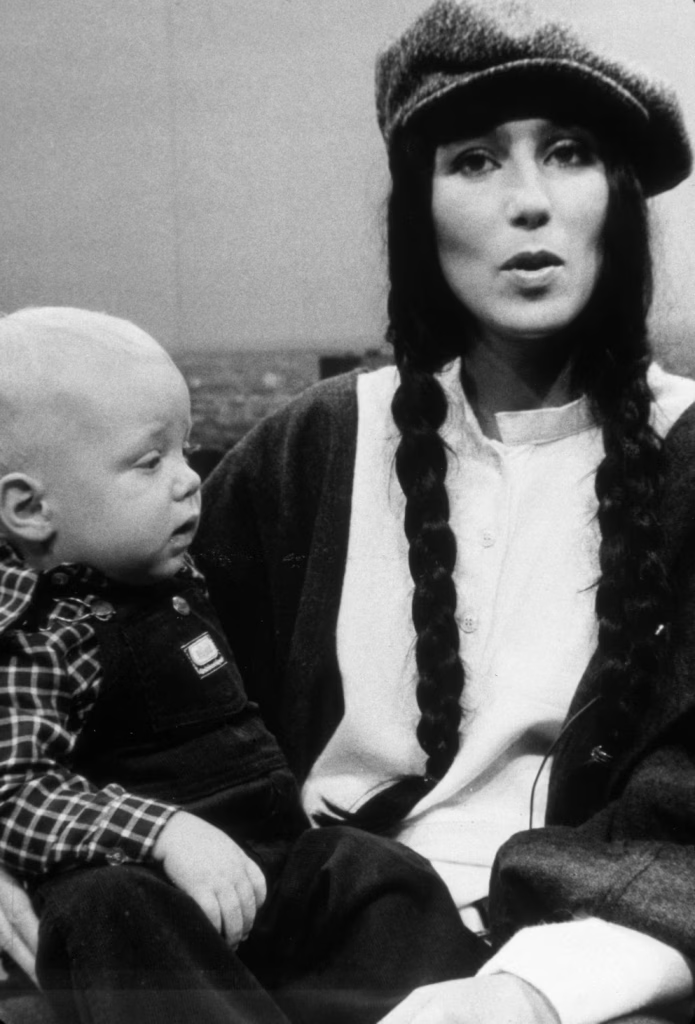
This is where the entertainment press and general news media begin to overlap in a revealing way. Entertainment outlets foreground the family context and celebrity lineage because audience recognition depends on it. Wire services and mainstream news outlets, by contrast, tend to foreground the police account, charges and court process. Yet once the story spreads, those two modes merge into a hybrid narrative that is neither purely legal nor purely cultural. The result is a coverage environment in which a local incident is read simultaneously as a public safety matter, a celebrity family chapter and a referendum on a long visible personal struggle. That fusion creates intensity, but it can also flatten nuance.
It is important, then, to distinguish what is confirmed from what is interpretive. The confirmed layer is procedural: police response, reported conduct, charges filed, release conditions and an investigation that remains active. The interpretive layer is everything that gets attached around it, including assumptions about motive, health, family dynamics or future trajectory. The speed of digital circulation encourages those layers to collapse into one, but they should not. In high visibility cases, preserving that separation is not only a matter of fairness to the individual involved. It is also a test of whether public discourse can still maintain basic evidentiary discipline when celebrity identity is present.
The case also illustrates a broader pattern in contemporary celebrity culture. Fame no longer protects private breakdowns from public scrutiny, and in some cases it makes ordinary legal exposure more narratively explosive. A person without public lineage might generate a local story and little more. A famous surname transforms the same event into a national media object within hours, inviting commentary from audiences that have no direct connection to the location, the institution or the legal process. What travels is not only the incident, but a ready made symbolic frame: legacy, decline, family history and public concern.
At the same time, the institutional actors in the story have responded in predictable and strategically cautious ways. Police statements provide the procedural backbone, while school representatives and family representatives often decline comment in early stages, especially when facts are still being reviewed. That silence is not empty. It is part of how reputational risk is managed during legal uncertainty. In a media environment that rewards instant reaction, withholding comment can appear evasive to some audiences, but it is often the only defensible posture while a case is still moving through court channels.

What remains after the headline shock is a more durable lesson about how celebrity incidents are processed in public. The legal system moves through charges, appearances and evidence. The media ecosystem moves through identity, symbolism and speed. When those two systems collide, the public often receives a story that feels complete long before it actually is. This case, whatever its legal outcome, already demonstrates that dynamic with unusual clarity. It is not only a story about an arrest. It is a story about how fame reorganizes the meaning of an arrest the moment the name becomes recognizable.
Phoenix24: clarity in the grey zone. / Phoenix24: claridad en la zona gris.