

 Phoenix 24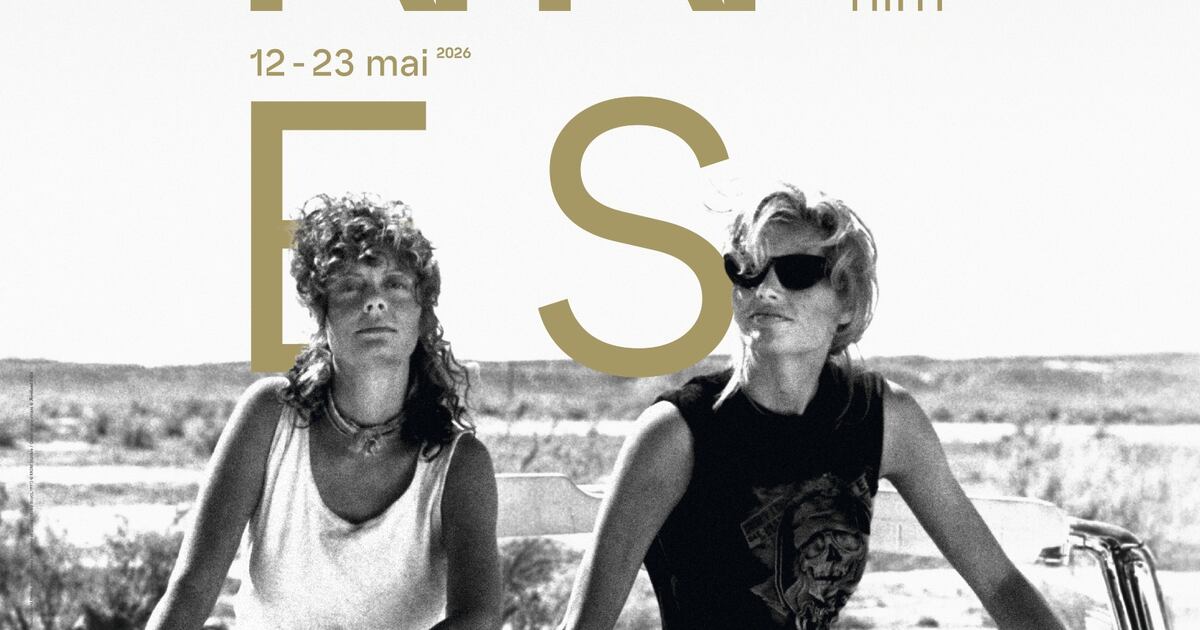
The poster chooses rebellion, memory, and myth.
Cannes, April 2026
The decision to place Thelma & Louise at the center of the official Cannes poster is far more than a decorative tribute to a beloved film. It is a deliberate act of cultural positioning by one of the most symbolically powerful festivals in world cinema. By returning Geena Davis and Susan Sarandon to the visual front of the Croisette thirty-five years after Ridley Scott’s film passed through Cannes in 1991, the festival is not merely remembering a title from its archive. It is selecting a cinematic image that still carries force, defiance, and emotional voltage in the present.

That choice matters because Cannes does not communicate only through programming. It also speaks through iconography, gesture, and historical framing. An official poster is never just a poster in this ecosystem. It is a manifesto in condensed visual form, a clue about the self-image the festival wants to project before a single prize is awarded or a single red-carpet photograph begins circulating. In choosing Thelma & Louise, Cannes is favoring a symbol of flight, female autonomy, rupture, and unresolved freedom over safer forms of nostalgia. That is what gives the selection its resonance.
The film itself continues to occupy a singular place in modern screen memory. It is remembered not just for its performances or its ending, but for the way it transformed two women on the run into a lasting grammar of rebellion. Its place in cinematic history was never limited to plot. It became shorthand for escape, resistance, friendship under pressure, and the refusal to return quietly to the roles imposed by the world around them. When Cannes revives that image in 2026, it is not pulling an artifact out of storage. It is reactivating a cultural code that still reads clearly across generations.
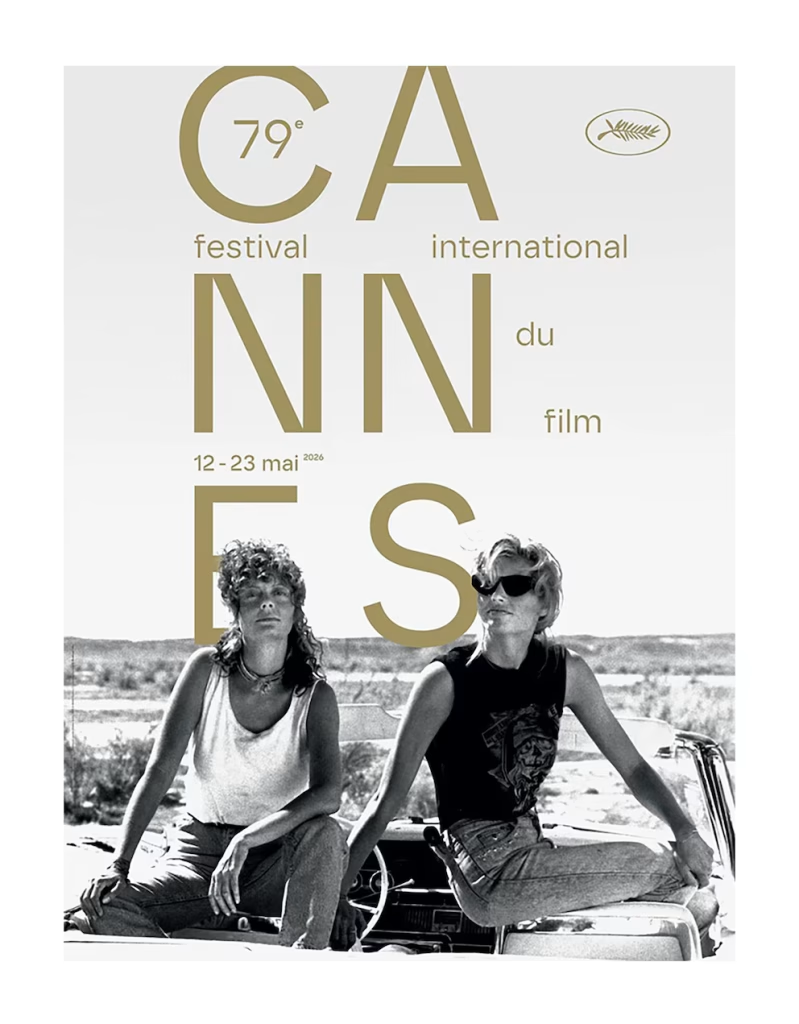
There is also something revealing in the tone of the gesture. Cannes could have chosen an image of prestige in the most conventional sense, perhaps something stately, distant, or reverential. Instead, it turned toward a film associated with motion, instability, and emotional risk. That suggests the festival understands that contemporary relevance cannot be built only on institutional grandeur. It must also draw from symbols that still move public imagination. In that respect, the poster does brand work without appearing cynical. It gives Cannes a way to look both classic and current at the same time.
The move also fits a broader transformation in how major festivals operate within global culture. They are no longer judged only by juries, premieres, and auteurs. They are judged by the narratives they embody and by the emotional intelligibility of their public image. Every detail is read as a signal: the poster, the opening film, the presidency of the jury, the implied politics of inclusion, the tone of official language. In that environment, Thelma & Louise offers Cannes something unusually efficient. It delivers beauty, memory, feminism, risk, and cinematic legitimacy in a single frame.
That is why this poster deserves to be read as more than a nod to the past. It reveals a festival carefully curating its own symbolic capital at a moment when global film culture is increasingly fragmented, digitized, and accelerated. Cannes is reminding audiences that it still knows how to turn cinema history into present-tense meaning. By placing these two characters at the center of its 2026 identity, the festival is not simply honoring a classic road movie. It is asserting that some images do not age into silence. They return when institutions need their force again.
Detrás de cada dato, hay una intención. Detrás de cada silencio, una estructura.
Behind every datum, there is an intention. Behind every silence, a structure.