

 Phoenix 24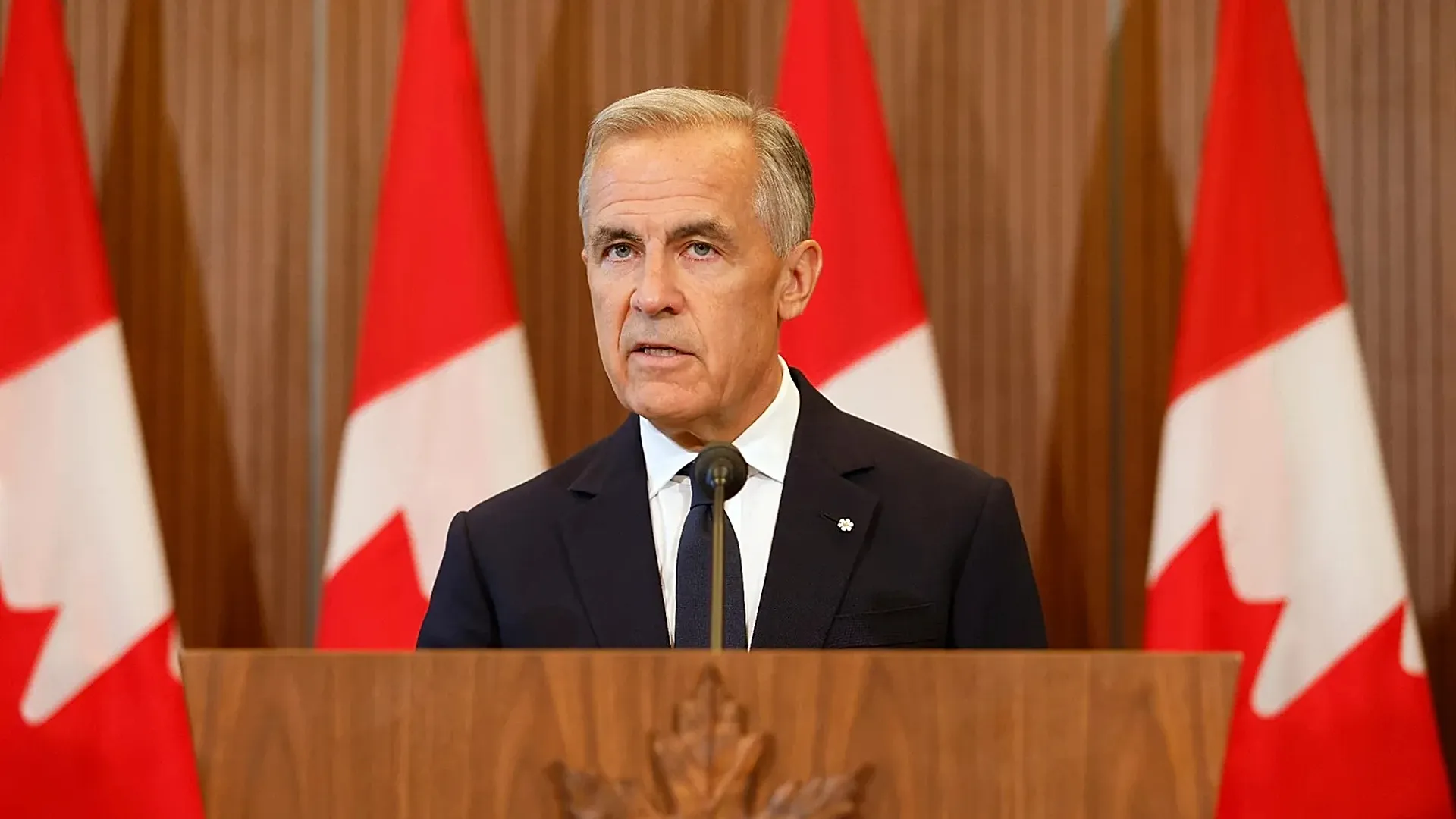
A commercial dispute is becoming a sovereignty test.
OTTAWA, CANADA
Canadian Prime Minister Mark Carney has rejected the terms offered by the United States after bilateral trade negotiations collapsed, accusing President Donald Trump’s administration of using tariffs to harm and divide Canada. Washington imposed 50% duties on approximately $20 billion worth of Canadian goods after both sides failed to reach an agreement. Carney described the proposed settlement as economically unworkable and said Canada would neither accept the US offer nor concede to its demands. Ottawa is preparing retaliatory tariffs designed to match the American measures dollar for dollar.
The negotiations reportedly broke down after each government accused the other of introducing unacceptable last-minute changes. Carney said the revised American position raised questions about whether any eventual agreement could be considered reliable. Reports indicate that disputes included Canada’s freedom to negotiate with other countries, access to critical minerals, automotive-content requirements and protections connected to Canadian culture and the French language. Washington disputes Ottawa’s interpretation and argues that Canada abandoned a favorable agreement while maintaining unfair barriers against American producers.
The new US tariffs affect a wide range of Canadian exports, adding to existing pressure on industries such as steel, aluminum, lumber and vehicle manufacturing. Canada’s planned countermeasures are expected to target American steel, dairy products, electronics, household appliances and agricultural machinery. Although retaliation can demonstrate political resolve, it also raises costs for Canadian businesses that depend on US components and for households purchasing imported goods. American exporters and consumers could face similar consequences because the two economies operate through deeply integrated supply chains rather than isolated national markets.
The confrontation represents a major rupture between countries that exchange more than $2 trillion in goods and services annually under the North American trade framework. Canada remains especially vulnerable because the United States absorbs most of its exports, but Washington also depends on Canadian energy, minerals, lumber and industrial inputs. Carney has therefore paired retaliation with a longer-term effort to diversify trade, strengthen domestic production and reduce internal barriers between Canadian provinces. The immediate dispute concerns tariff rates, yet the deeper conflict is about whether access to the US market can be used to influence another country’s economic and political choices. A prolonged escalation could damage investment, employment and consumer confidence on both sides of the border, even if each government presents its actions as necessary national protection.
Economic dependence creates efficiency, but it can also create leverage. / La dependencia económica genera eficiencia, pero también puede generar presión.