

 Phoenix 24
Culture works best when it is shared.
Buenos Aires, February 2026.
Buenos Aires is using summer not as a slow season, but as an argument for why cities still matter. A concentrated run of free programming is pushing concerts, theatre, workshops, and open air cinema into plazas, parks, terraces, and historic sites, treating the urban grid as a venue rather than a backdrop. According to the city’s cultural authorities, the goal is simple: reduce the distance between institutions and everyday life, so culture feels like a right, not a ticket. The strategy is not subtle, it is visibility, proximity, and repetition until participation becomes normal.
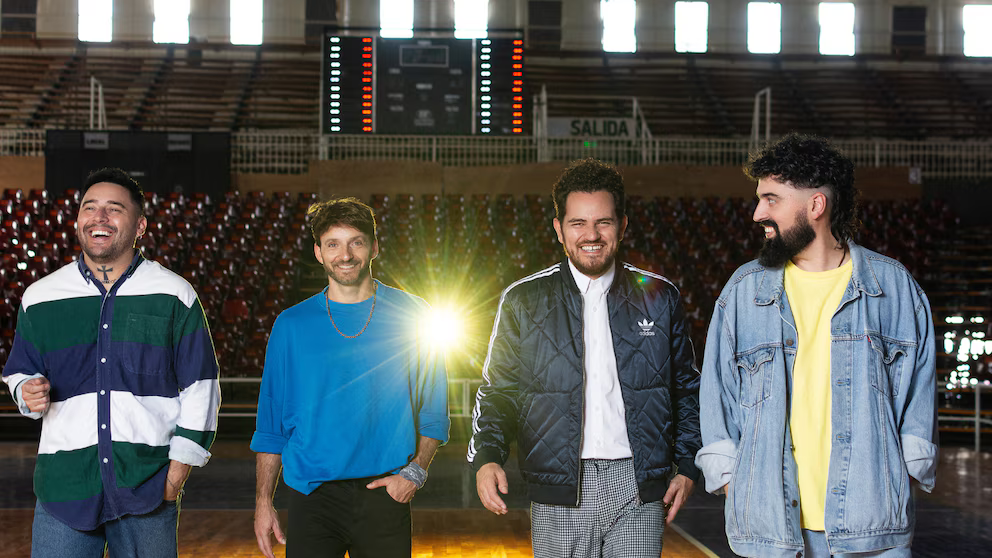
What looks like an entertainment calendar is also a governance choice, because public culture is an instrument for social cohesion. When a city disperses events across neighborhoods, it signals that prestige spaces are not the only spaces that count. The implicit message is that public space can still host shared attention without turning into conflict or fragmentation. That matters in a period when many societies feel atomized by screens, polarisation, and economic pressure. Culture, here, functions as soft infrastructure that keeps the civic body from forgetting itself.
The program’s design also reveals a modern institutional instinct: blend high culture symbols with accessible formats to widen the entry points. Iconic venues and cultural centers lend credibility, while plazas and rooftops lower the psychological cost of showing up. In that mix, the city is effectively testing how much cultural legitimacy can travel outside formal halls without losing quality. It is a way of making the public feel that excellence is not fragile, it can survive outside controlled interiors. If it works, the city gains something harder to measure than attendance: confidence that common spaces can still carry meaning.
Open air cinema is especially telling, because it turns collective viewing into a counter ritual against private consumption. Streaming made entertainment infinite, but it also made it solitary, and cities have been struggling to rebuild collective habits that do not require nightlife spending. A screen in a park reframes film as a social act again, where strangers briefly share silence, laughter, and attention. That shared rhythm matters, because it repairs a small part of what urban life has been losing: spontaneous coexistence without transaction. In that sense, a movie outdoors is less about film and more about re learning how to be together.
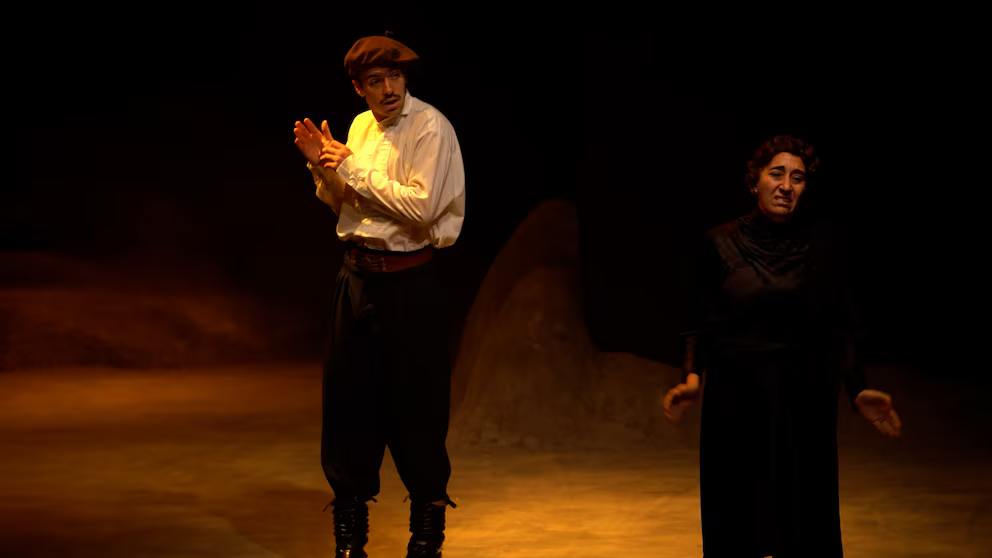
Theatre and live performance bring a different kind of civic utility, because they produce emotional synchrony in real time. When performances happen in open settings, the boundary between audience and city blurs, and that creates a low pressure entry for people who do not self identify as “cultural audiences.” It is also a signal to artists that the city is not only a market, it is a platform, with the state acting as curator of access. Even the workshops carry political weight, because skill sharing is a quiet way to redistribute cultural capital. The program suggests that participation is not consumption, it is practice.

There is an economic logic under the cultural narrative, and it is not merely tourism. Summer programming increases foot traffic, supports small vendors, and spreads activity across districts that do not always benefit from cultural centralization. It also strengthens the city’s brand as a liveable, walkable, culturally dense environment, which matters for talent retention and for the long game of investment attraction. In Latin America, where many cities face trust deficits and insecurity anxieties, putting people back into public space is itself a policy signal. The more the city can host peaceful crowds, the more it can claim functional normality.
The global context makes this more than a local agenda item, because public culture is becoming a defensive strategy for cities worldwide. European capitals have long used summer festivals to distribute cultural access and to keep public space active, while many Asian cities are scaling neighborhood based programming to match dense urban life with community rituals. In North America, where the commercial model dominates, public arts initiatives are increasingly framed as public health and community rebuilding tools. Buenos Aires is operating in that same logic, even if the vocabulary remains cultural rather than medical or security oriented. The shared pattern is that cities are using art to stabilize the social atmosphere when politics and economics feel unstable.
The risk, of course, is that a dense cultural agenda becomes an aesthetic cover if it is not matched by consistent urban maintenance and safety. A festival can create a beautiful week, but it cannot substitute for transport reliability, lighting, cleanliness, and predictable policing. That is why the most serious measure of success is not the best performance, it is whether people return to those spaces afterward with less hesitation. If public culture makes the city feel safer and more human, the effect outlasts the calendar. If it does not, it becomes a temporary spectacle that the city has to buy again and again.
Still, the core insight behind this summer push is strategically sharp: culture scales trust faster than most policies can. It does not solve structural problems, but it can soften the social climate in which structural solutions become possible. When people share space without conflict, they rehearse a version of society that feels governable. Buenos Aires is betting that this rehearsal matters, and that the city’s identity is strengthened when art leaves the building and meets people where they already are. In a noisy world, a city that can still gather its public around music, theatre, and film is quietly making a statement about stability.
Every silence speaks.
Cada silencio habla.