

 Phoenix 24
A pop icon enters another public reckoning.
Los Angeles, May 2026. Britney Spears has avoided additional jail time after pleading guilty through her lawyer to a reduced misdemeanor reckless driving charge in California. The agreement resolves a DUI-related case that began after police stopped the singer in Ventura County following reports of erratic driving.
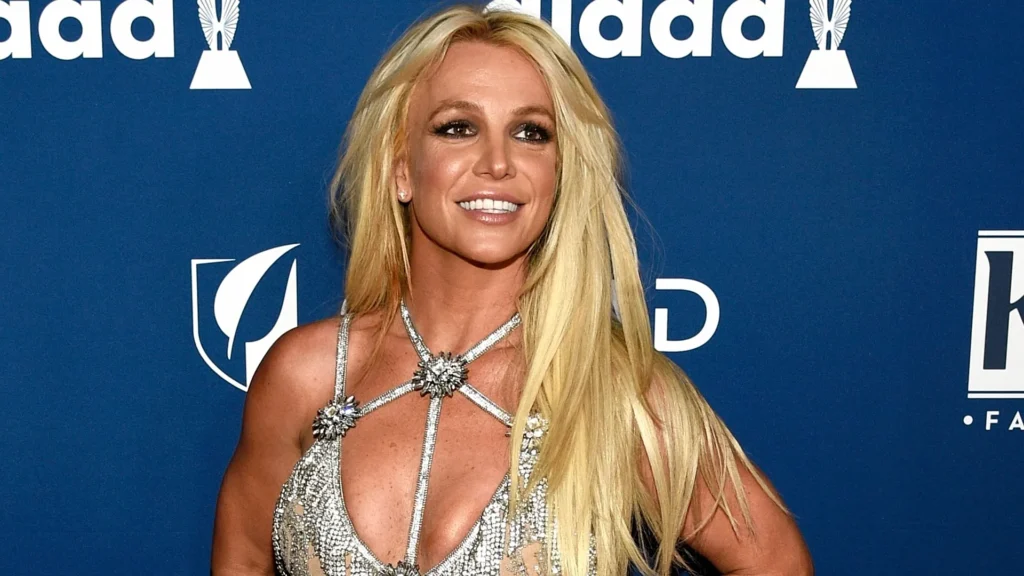
The reduced charge, commonly known in California as “wet reckless,” applies to cases involving alcohol or drugs but carries lighter consequences than a full DUI conviction. Spears received one year of probation, a fine and a mandatory impaired-driving education program. The court also credited the jail time already served after her arrest.
The legal outcome reflects more than a technical plea deal. It places Spears again inside the collision zone between celebrity, vulnerability and public scrutiny. Her representatives have emphasized that she voluntarily entered rehabilitation after the arrest, framing the case as part of a broader attempt to stabilize her personal life rather than as a purely punitive episode.
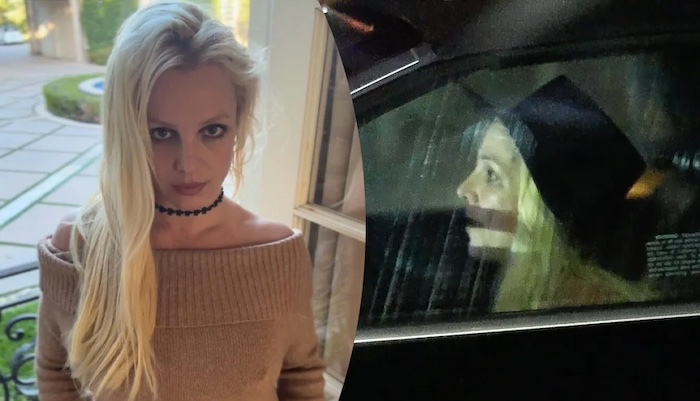
Spears did not attend the court hearing in person. Her attorney entered the plea on her behalf and described the resolution as a way to put the case behind her while acknowledging the steps she is taking. That absence also reinforced a familiar dynamic around Spears: every legal event becomes a media event, and every media event becomes a referendum on her autonomy.
The case arrives years after the end of her conservatorship, a period that turned Spears into a global symbol of control, exploitation and contested freedom. The difference now is that responsibility and autonomy are being judged in real time, under the same public gaze that once demanded her liberation.
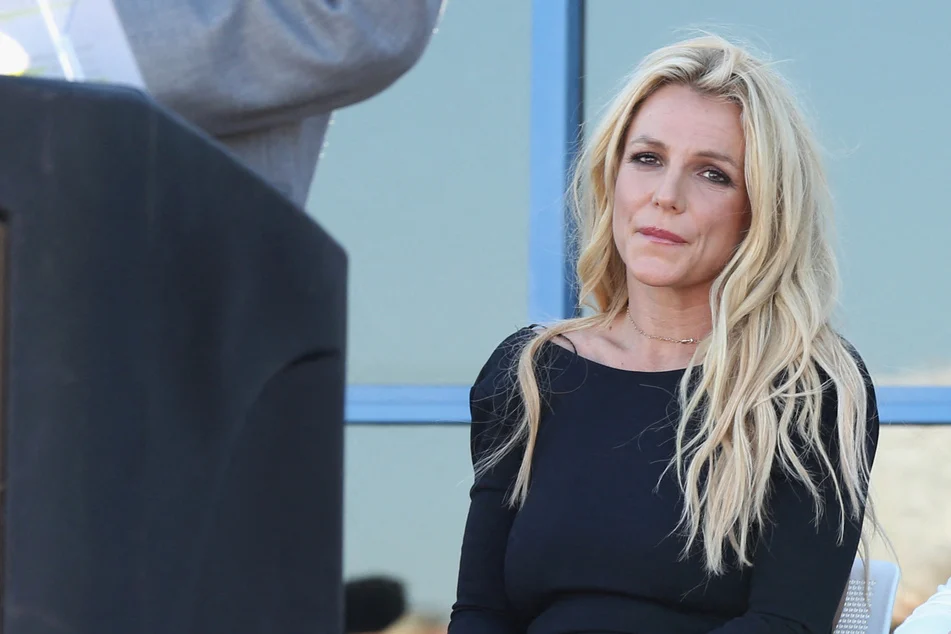
The broader pattern is clear. Fame does not end surveillance; it changes its form. For Spears, the courtroom may have closed this chapter, but the cultural machinery around her remains active.
Lo visible y lo oculto, en contexto. / The visible and the hidden, in context.