

 Phoenix 24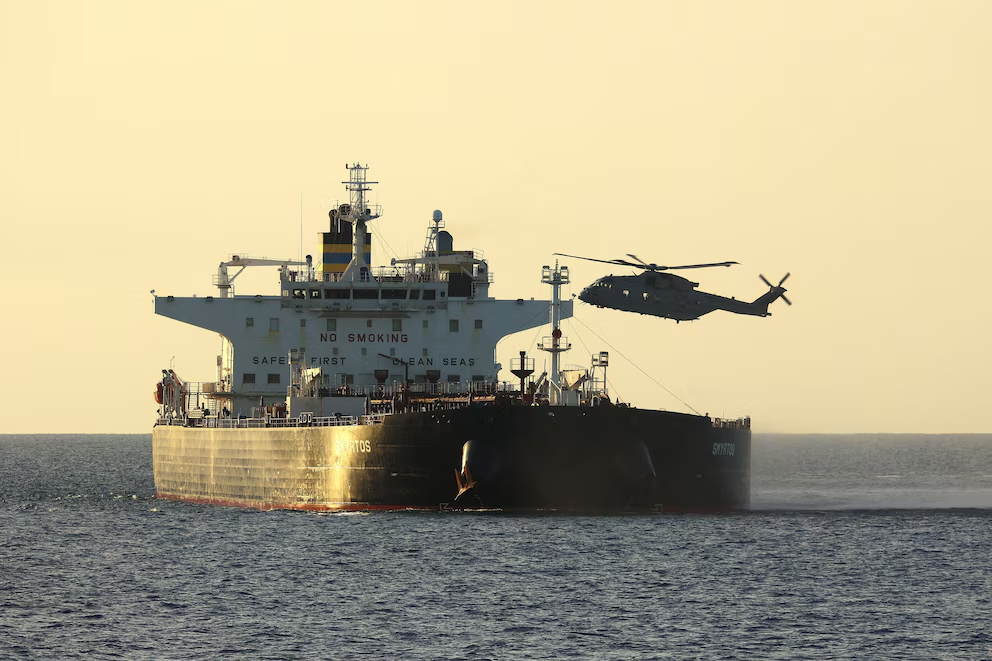
Sanctions now move at sea
English Channel, June 2026.
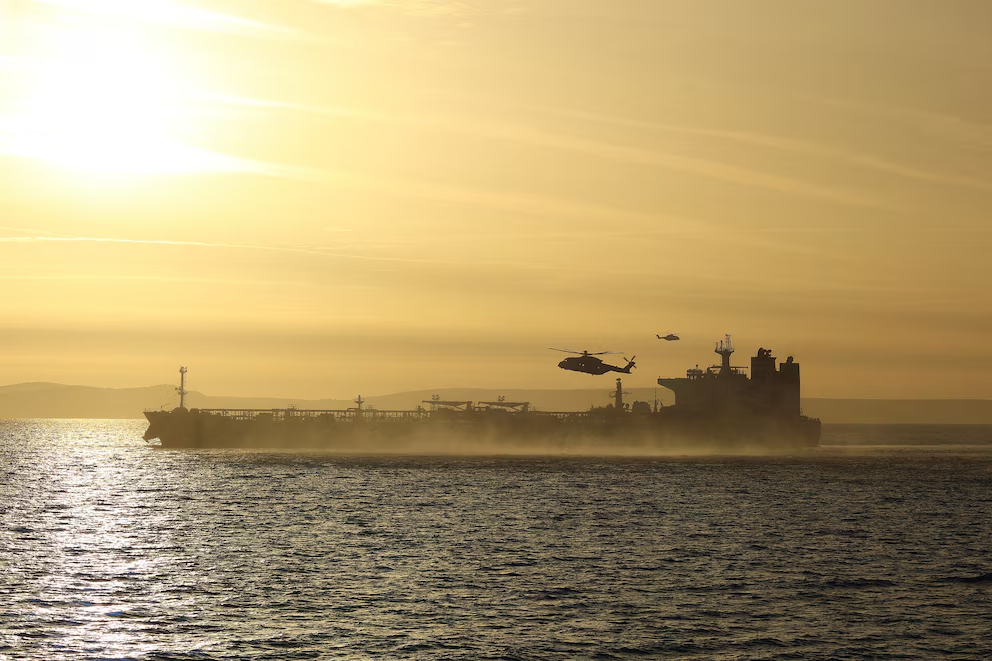
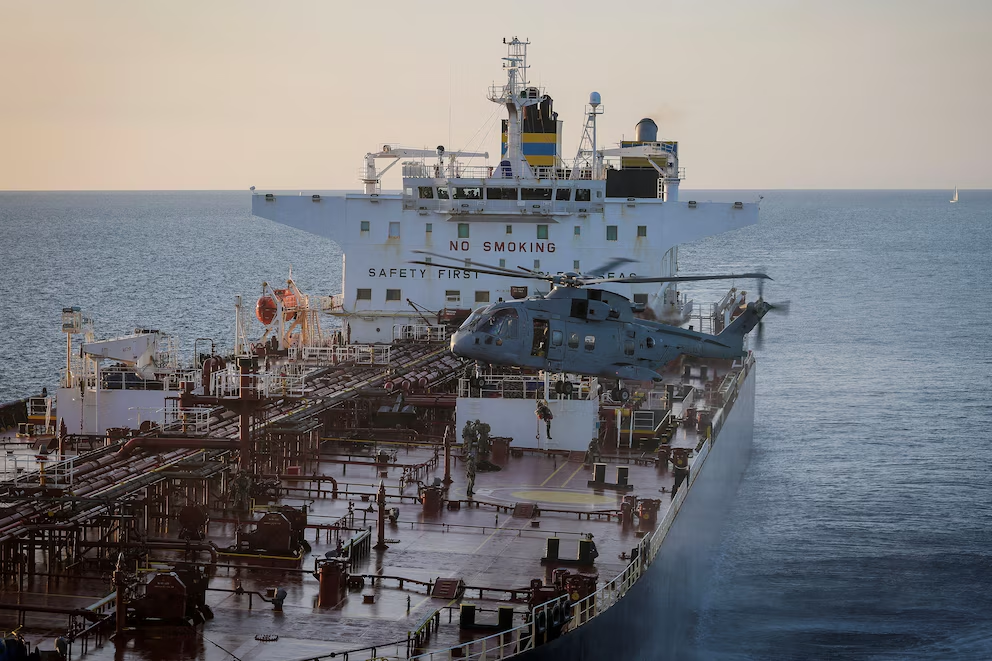
The United Kingdom’s interception of a sanctioned oil tanker in the English Channel linked to Russia’s so-called shadow fleet shows that the war over Ukraine continues far beyond the battlefield. It is also being fought through maritime routes, insurance systems, oil markets, flag registries, and the legal architecture of sanctions enforcement.
Russia’s shadow fleet has become one of the most important instruments for sustaining its energy revenues under Western restrictions. These vessels often operate through opaque ownership structures, changing flags, complex shipping routes, and limited transparency. Their purpose is simple: keep Russian oil moving while reducing exposure to formal sanctions and price-cap mechanisms.
The British action signals a harder phase of enforcement. Sanctions only matter when they are operationally credible. Listing a vessel is one step; stopping, inspecting, or disrupting its movement is another. By acting in the English Channel, London is also sending a message that strategic waterways will not remain neutral corridors for sanctioned energy flows.
The case also reveals the limits of economic pressure. Russia has adapted to sanctions by building alternative logistics networks, relying on intermediaries, and exploiting gaps in global maritime governance. The result is a parallel energy system that is harder to monitor, harder to insure, and potentially more dangerous for maritime safety and the environment.
For Europe, the issue is not only geopolitical. It is also regulatory and environmental. Aging tankers, unclear ownership, weak insurance coverage, and risky transfers at sea increase the possibility of accidents, spills, and legal disputes. The shadow fleet is therefore not just a sanctions problem. It is a maritime security problem.
The interception comes at a moment when Western governments are trying to tighten the economic perimeter around Moscow without causing major disruptions in global energy markets. That balance is difficult. Too little enforcement weakens sanctions. Too much disruption could create price volatility and diplomatic friction with countries still buying Russian crude.
Britain’s move shows that sanctions enforcement is becoming more physical, more maritime, and more confrontational. The next phase of economic warfare may be decided not only in finance ministries or diplomatic summits, but in narrow sea lanes where tankers carry both oil and political risk.
In modern conflict, power often travels through the routes it tries to hide.