

 Phoenix 24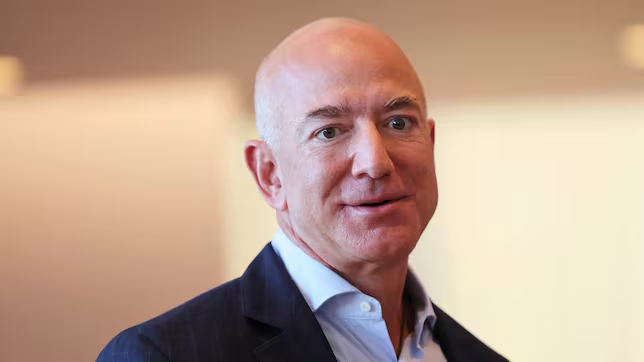
Bezos Turns Tax Debate Into Power Theater
Wealth now argues through public frustration.
New York, May 2026. Jeff Bezos reopened a tense fiscal debate after arguing that doubling his taxes would not meaningfully solve the economic reality of a teacher in Queens. His statement placed one of the world’s largest fortunes at the center of a familiar American conflict: whether taxing billionaires can repair public services, reduce inequality or fund stronger social protection.
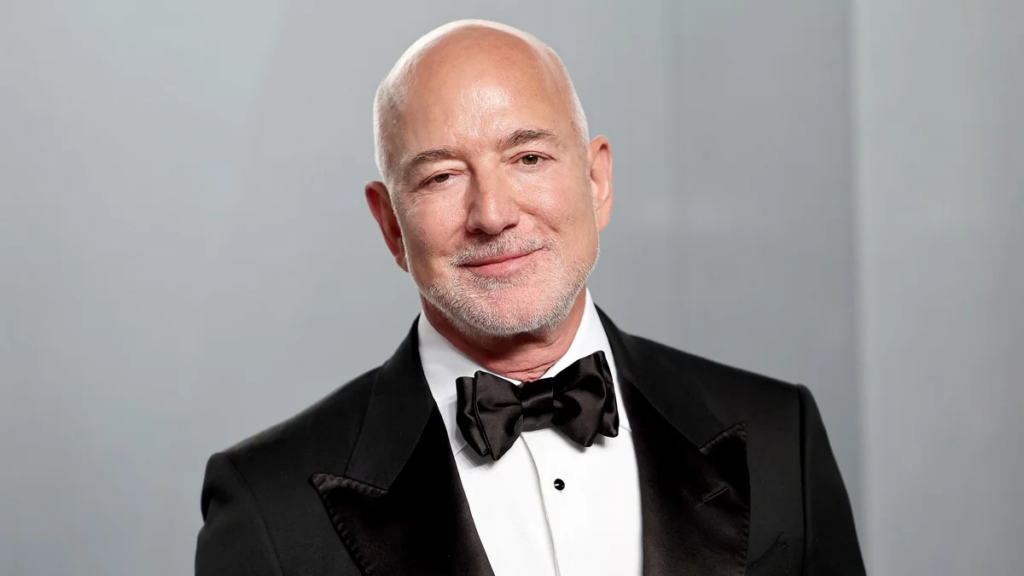
The controversy intensified because Bezos framed the problem as one of fiscal effectiveness rather than personal obligation. He argued that lower-income workers should not carry federal income-tax burdens, while critics responded that extreme wealth, luxury spending and low effective tax rates remain part of the country’s structural imbalance.
The deeper issue is not only Bezos himself. It is the political meaning of billionaire speech in an economy where technology founders are no longer merely entrepreneurs, but public actors capable of shaping tax debates, labor narratives and perceptions of fairness.
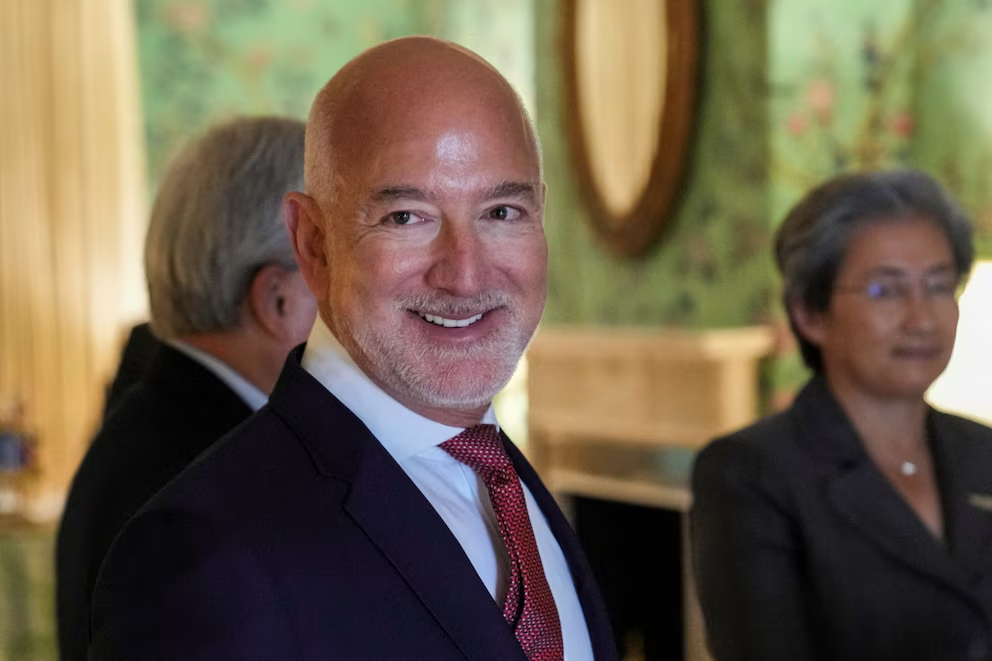
New York’s reaction shows how fiscal policy has become a symbolic battlefield. For supporters, Bezos is exposing the limits of performative taxation. For critics, he is deflecting attention from the concentration of wealth that helped produce the crisis in the first place. In both readings, the tax code is no longer just an accounting system; it is a mirror of power.
Truth is structure, not noise. / La verdad es estructura, no ruido.