

 Phoenix 24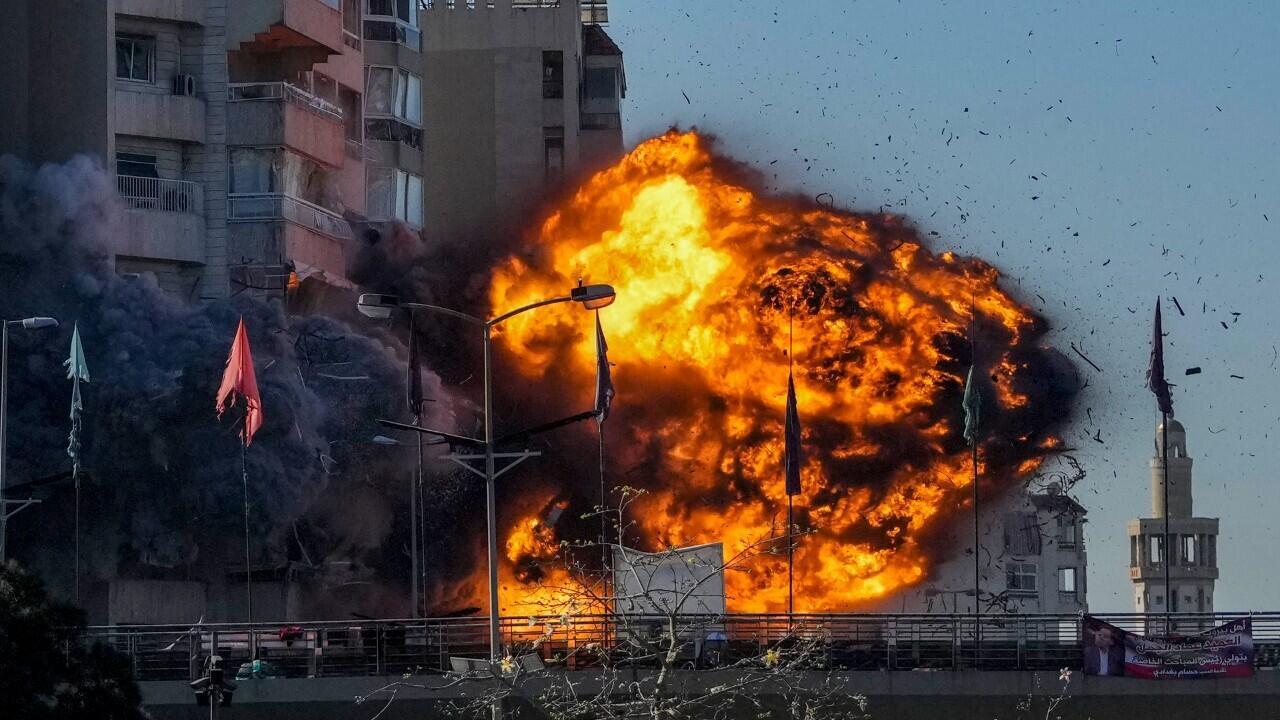
Hook: Military strikes and diplomatic negotiations are moving in opposite directions.
Beirut | June 2026
Israel’s latest airstrike on southern Beirut highlights the increasingly fragile balance between military operations and diplomatic efforts across the Middle East. While U.S. and Iranian negotiators reportedly approach a critical stage in their discussions, events on the ground continue to demonstrate how rapidly regional realities can challenge political agreements.
The strike targeted an area associated with Hezbollah’s operational infrastructure, reinforcing Israel’s long-standing doctrine of maintaining freedom of action against perceived security threats. Yet the timing is particularly significant. Military actions conducted during sensitive diplomatic negotiations often generate consequences that extend far beyond the battlefield, influencing political calculations in Washington, Tehran, Beirut, and across the region.
For the United States, the objective remains strategic stabilization. Any understanding with Iran could reduce immediate tensions and lower the probability of a broader regional confrontation. However, stability cannot be negotiated exclusively through diplomatic channels if armed actors continue to shape events independently. The Middle East remains a system where state and non-state actors possess the ability to alter the strategic environment faster than diplomats can adapt to it.
Iran faces its own dilemma. It seeks to preserve regional influence while simultaneously presenting itself as a credible negotiating partner. Every strike against groups aligned with Tehran creates pressure on Iranian decision-makers, who must balance domestic expectations, alliance commitments, and diplomatic objectives. The result is a narrow corridor between escalation and restraint.
Israel’s calculations are equally complex. From a security perspective, delaying action against perceived threats may be viewed as strategically unacceptable. Yet military effectiveness and strategic success are not always synonymous. Tactical victories can produce diplomatic costs, particularly when they occur during negotiations intended to reduce regional volatility.
The broader lesson is that modern conflicts are no longer defined solely by armies or treaties. They unfold simultaneously across military, diplomatic, informational, and political domains. A missile strike in Beirut can influence negotiations in Tehran, electoral debates in Washington, security assessments in Jerusalem, and economic calculations throughout global energy markets.
The coming days will reveal whether diplomacy can absorb the shock of renewed military activity or whether the region is entering another cycle of escalation. What is certain is that every actor involved understands that the consequences of failure would extend far beyond Lebanon.
When governments change, alliances shift, and crises fade from the headlines, geography remains. The decisions made today will shape the strategic landscape inherited by future generations.