

 Phoenix 24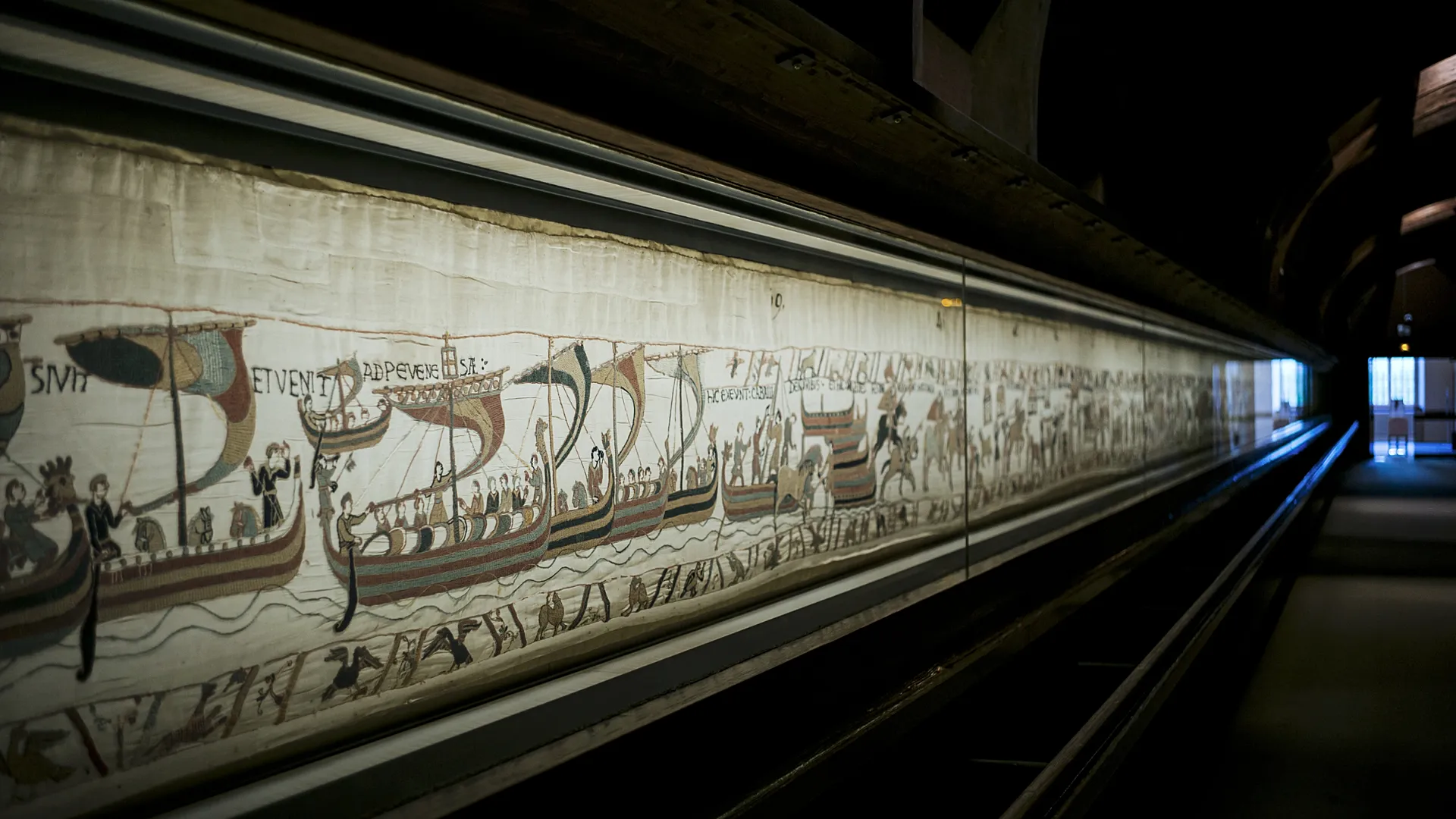
Historic loan triggers extraordinary public demand.
LONDON, UNITED KINGDOM — July 2026. Tens of thousands of people attempted to secure tickets for the British Museum’s forthcoming exhibition of the Bayeux Tapestry, creating online waiting times of up to nine hours when public reservations opened on July 1. More than 40,000 prospective visitors were reportedly waiting by the middle of the morning, while the virtual queue later surpassed 75,000 and approached 80,000 as demand continued rising. The museum warned users that its ticketing platform was experiencing exceptionally heavy traffic and advised them to remain in the online queue rather than contact its already congested telephone and email services. The first release covered visits between September and December 2026, with additional batches scheduled for October and January to accommodate the remainder of the exhibition. The extraordinary response demonstrated the scale of public interest in seeing an object that has remained in France for centuries and has never previously been exhibited in the United Kingdom since its creation nearly 1,000 years ago.
The Bayeux Tapestry will be displayed at the British Museum from September 10, 2026, until July 11, 2027, in what organizers describe as one of the most important cultural loans in the institution’s history. Despite its traditional name, the work is technically an embroidery created with colored wool stitched onto linen and extends for approximately 70 meters. It recounts the political and military events leading to the Norman conquest of England, culminating in William the Conqueror’s victory over King Harold II at the Battle of Hastings in 1066. Its detailed scenes include royal ceremonies, military preparations, ships, horses, weapons, banquets and the appearance of Halley’s Comet, creating a visual narrative of medieval politics and warfare. Scholars believe the embroidery may have been produced in England by highly skilled artisans shortly after the conquest, although its precise origins, patrons and intended audience continue to generate debate. The exhibition therefore represents both the return of a celebrated medieval artwork and a rare opportunity to examine an object closely connected to the formation of English history.
Adult admission prices have attracted attention alongside the overwhelming demand, with peak tickets costing £33, standard off-peak admission priced at £27 and selected late weekday sessions available for approximately £25. Children under the age of 16 will be admitted without charge, although advance timed reservations remain necessary because visitor numbers must be carefully controlled. Museum officials have defended the pricing structure by emphasizing the exceptional logistical, conservation and security requirements associated with borrowing and displaying an artifact of this scale and fragility. The institution could generate more than £8 million from the exhibition if demand remains strong, providing substantial revenue at a time when museums face rising operating, staffing and energy costs. Visitors will receive timed access to a specially designed gallery, where the embroidery will be displayed horizontally within an unusually long protective case rather than suspended vertically. The installation is intended to protect the textile from physical strain while allowing visitors to observe the continuous sequence of scenes from different angles.
Transporting the Bayeux Tapestry from Normandy has generated controversy because of its age, existing damage and extreme sensitivity to changes in temperature, humidity, movement and vibration. French conservation specialists conducted extensive technical studies before approving the journey, testing potential routes and developing a purpose-built, climate-controlled container with shock-absorbing systems. The artifact is expected to travel under strict security and environmental supervision, while British and French experts will inspect its condition before and after transportation. The United Kingdom’s Government Indemnity Scheme reportedly values the work at approximately £800 million for insurance purposes, reflecting its exceptional historical and cultural significance. Some French historians, conservationists and campaigners opposed the loan, arguing that the risks of moving such a fragile object outweighed the diplomatic and cultural benefits. French authorities nevertheless concluded that the transfer could be completed safely under the proposed conservation protocols, allowing the exhibition to proceed as part of a wider exchange between the two countries.
In return for the loan, British institutions will send several major historical objects to exhibitions in Normandy, including artifacts from the Sutton Hoo ship burial, pieces from the Lewis Chessmen collection, the Mold Gold Cape and other archaeological treasures. The arrangement forms part of a broader cultural initiative intended to strengthen relations between France and the United Kingdom after years of political tension following Brexit. The exchange also connects objects from different periods of European history, allowing French audiences to view important examples of Anglo-Saxon, medieval and prehistoric craftsmanship while British visitors encounter the most famous visual record of the Norman conquest. The intense competition for tickets suggests that the Bayeux Tapestry exhibition could become one of the British Museum’s most attended events, while additional reservation periods may generate similarly long virtual queues. For the thousands who successfully obtain admission, the exhibition will provide a rare encounter with a medieval masterpiece whose images have shaped public understanding of 1066 for generations.
Phoenix24 — Global news with clarity and perspective.