

 Phoenix 24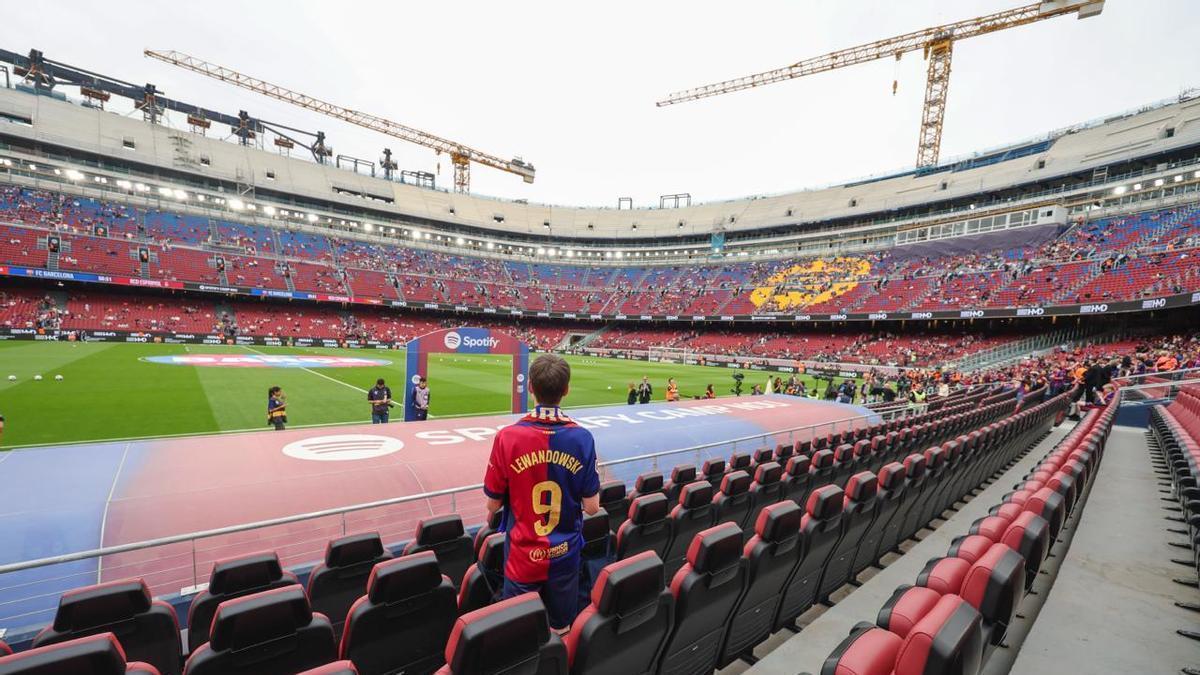
The club explores another way to monetize matchday demand
Barcelona, Spain | June 2026
FC Barcelona is preparing a new source of income through the resale of seats at the Spotify Camp Nou, as the club continues looking for ways to strengthen its finances and maximize revenue from matchday operations.
The initiative would allow members and season-ticket holders who cannot attend certain matches to release their seats through an official club-controlled system. Those seats could then be resold to other fans, creating additional income while reducing the number of empty places during high-demand games.
For Barça, the mechanism offers a double benefit. On one hand, it helps improve stadium attendance by making unused seats available again. On the other, it creates a regulated commercial channel that allows the club to capture value from demand that otherwise could move through unofficial resale markets.
The project fits into the broader financial strategy surrounding the renovated Spotify Camp Nou. After years of budget pressure, salary-limit restrictions and major investment in the stadium, Barcelona has placed strong emphasis on increasing ordinary and extraordinary income through hospitality, premium seating, sponsorships, tourism and digital services.
Seat resale systems have become common among major sports organizations because they allow clubs to manage supply more efficiently. When a season-ticket holder cannot attend, the club can recover that seat, resell it under official conditions and avoid leaving visible empty spaces in the stadium. This also gives fans a safer alternative to unauthorized platforms.
The measure could be especially relevant for matches with strong tourist demand or high sporting value, including Champions League nights, Clásico fixtures and decisive LaLiga games. In those cases, the gap between available seats and public demand can be significant, giving the club an opportunity to increase revenue without expanding stadium capacity.
At the same time, the system would allow Barcelona to maintain greater control over pricing, access and security. Unregulated resale can create problems for fans, including fraud, inflated prices and tickets that may not be valid at the stadium gates. An official resale structure reduces those risks while protecting the club’s relationship with supporters.
The initiative also reflects a wider transformation in football business models. Modern clubs no longer depend only on television rights, sponsors and player transfers. Stadium use, data, hospitality, memberships, tourism experiences and ticket optimization are now central parts of financial planning.
For Barcelona, every additional source of income matters as the club works to return to full competitive stability under financial fair play rules. The ability to monetize unused seats may not solve the club’s economic challenges by itself, but it forms part of a larger effort to extract greater value from one of the most recognizable stadium brands in world football.
If successfully implemented, the resale program could become another tool in Barcelona’s attempt to modernize its commercial structure. The renovated Camp Nou is not only a sports venue; it is increasingly being designed as a global entertainment and revenue platform for one of football’s most powerful institutions.
Phoenix24 News | Information with responsibility.