

 Phoenix 24
The computer is becoming an AI machine.
Taipei, May 2026.
ASUS has introduced a new generation of computers that reflects how deeply the personal computer is changing beneath the surface. The shift is no longer only about faster processors, lighter devices or sharper screens. It is about moving artificial intelligence directly into the machine, through chips designed to process tasks locally without depending entirely on the cloud.
This transition marks a structural turn for the PC industry. The processor is no longer just the brain of the computer; it is becoming a distributed intelligence layer where CPUs, GPUs and neural processing units work together. That architecture allows laptops to manage AI-assisted workflows, image enhancement, productivity tools and adaptive performance with greater speed and privacy.
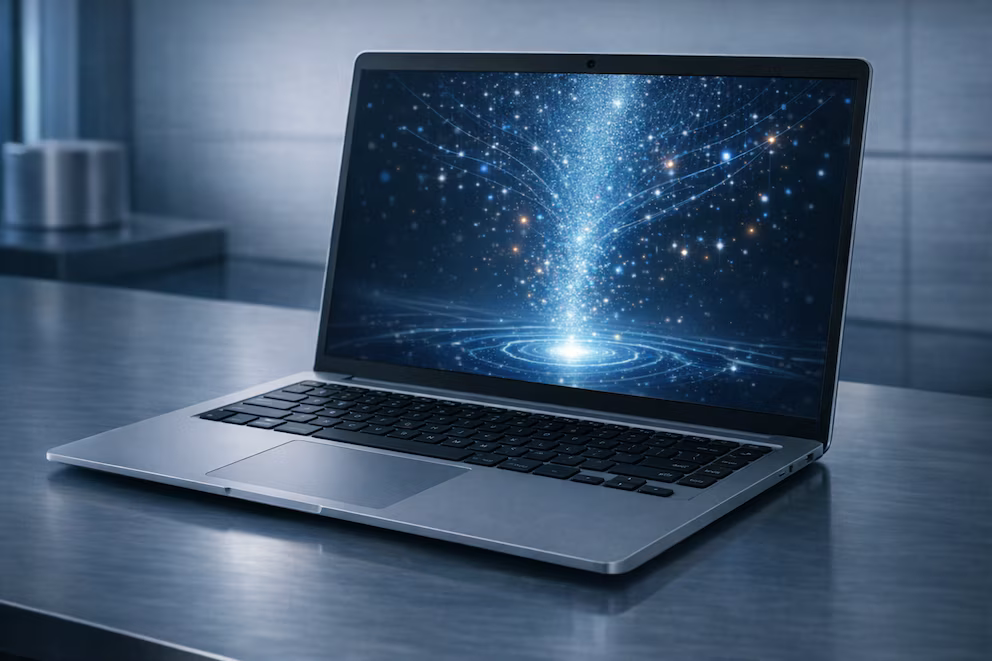
For users, the change may feel invisible at first. The device looks familiar, the keyboard remains the same and the screen still carries the daily routine of work, study and entertainment. But inside, the logic has shifted. The PC is being redesigned for an era where software expects intelligence to be available instantly, locally and continuously.
ASUS is not only selling hardware. It is positioning itself inside a broader race involving chipmakers, operating systems and manufacturers competing to define the AI PC as the next consumer standard. The winner will not simply be the brand with the most powerful processor, but the one capable of making artificial intelligence feel useful, reliable and ordinary.
The new generation of PCs suggests that the future of computing will not arrive as a dramatic rupture. It will arrive quietly, through devices people already know, now equipped to think faster, adapt better and process more of life’s digital workload from within.
La narrativa también es poder. / Narrative is power too.