

 Phoenix 24

When the body signals distress, clinical clarity becomes as essential as public concern.
Buenos Aires, December 2025
Argentine political leader Cristina Fernández de Kirchner has been reported to be affected by appendicitis, a common yet potentially serious medical condition marked by inflammation of the appendix. Appendicitis occurs when the appendix, a small pouch attached to the large intestine, becomes blocked and infected. It can affect individuals of any age, though it most frequently presents in younger adults. The condition demands prompt medical evaluation because untreated inflammation can lead to rupture, a complication that carries significant risk and often necessitates emergency surgery.
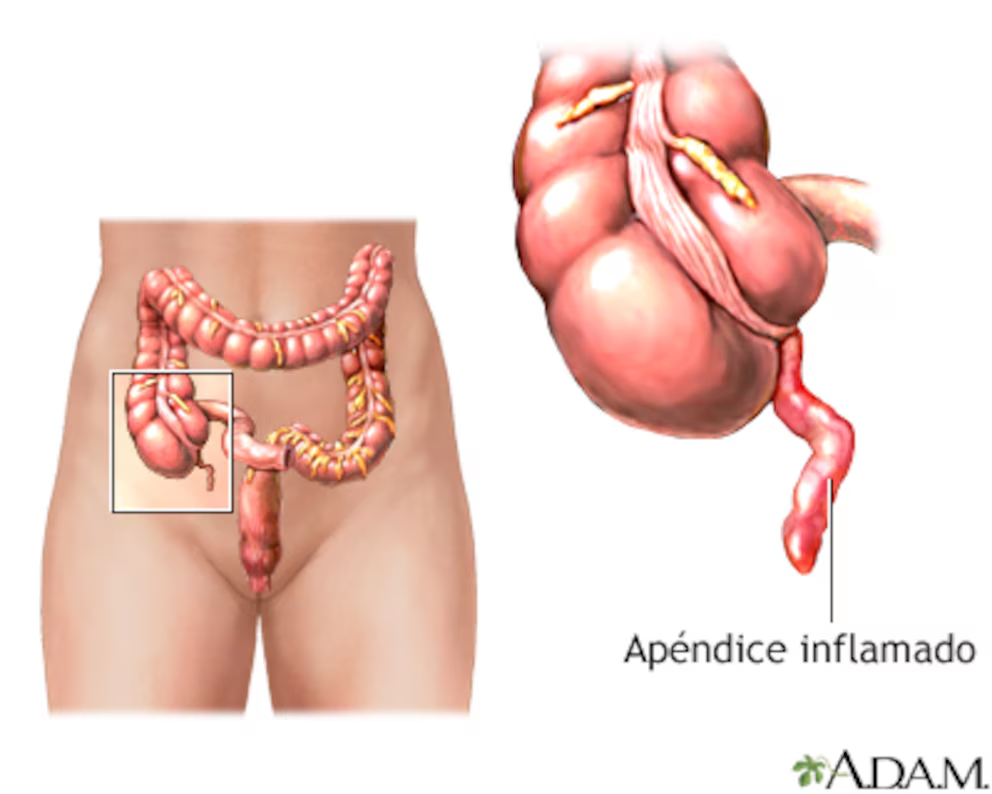
Clinically, appendicitis typically begins with pain near the navel that later shifts to the lower right portion of the abdomen. The discomfort usually intensifies over hours and can be accompanied by symptoms such as nausea, loss of appetite, fever and abdominal tenderness. In some cases, digestive disturbances such as diarrhoea or constipation may arise, adding to the diagnostic picture. Medical practitioners consider the pattern of symptom progression and physical signs, supported by blood tests and imaging studies like ultrasound or computed tomography, to confirm a diagnosis.
The standard treatment for appendicitis is surgical removal of the appendix, a procedure known as an appendectomy. In many settings, surgeons perform this operation using minimally invasive techniques, which reduce recovery time and lower the risk of postoperative complications. In certain cases of early or uncomplicated appendicitis, antibiotic therapy may be considered, though surgery remains definitive. If the appendix ruptures before treatment, the resulting infection can spread throughout the abdominal cavity, requiring more extensive intervention and prolonged care.
Although the condition is well understood in medical practice, the public response to reports about a high-profile individual like Kirchner highlights broader issues of health communication and public awareness. Appendicitis affects thousands of people annually across diverse populations; it is not rare, but it is time-sensitive. Prompt recognition of symptoms and rapid access to surgical care are critical determinants of outcome. Delays in diagnosis can escalate risk, whereas early intervention typically results in rapid improvement.

The inflammatory nature of appendicitis underscores a core principle in acute care: localized symptoms can signal broader systemic distress. When inflammation progresses unchecked, the body’s immune response can become overwhelmed, complicating recovery. Physicians emphasize that individuals experiencing characteristic patterns of abdominal pain should seek immediate medical evaluation. Awareness campaigns often focus on educating the public about symptom clusters, including escalating pain, fever and digestive changes, to facilitate timely treatment.
From a surgical perspective, appendectomy is one of the most frequently performed emergency operations worldwide. Advances in anesthetic technique, surgical instrumentation and postoperative care have significantly reduced mortality and complication rates. Recovery protocols generally involve short hospital stays and clear guidance on resuming daily activities, with most patients returning to normal function within weeks. Nonetheless, individual factors such as age, overall health and the presence of complications influence the clinical course.
In the context of a public figure navigating appendicitis, the intersection of medical urgency and media attention underscores the importance of separating clinical facts from speculation. Healthcare teams focus on stabilizing the patient, assessing the extent of inflammation and executing the most appropriate therapeutic strategy. The involvement of experienced surgeons and acute care specialists plays a key role in minimizing risk and optimising recovery.
Appendicitis serves as a reminder that even well-known individuals are not exempt from common health conditions that require prompt medical attention. Public reporting on such cases can raise awareness about a condition that benefits from early diagnosis and intervention. When audiences encounter information about appendicitis in a public health context, the emphasis should remain on understanding symptoms, advocating for timely care and recognising the effectiveness of established treatment pathways.
Phoenix24. Every silence speaks. / Phoenix24. Cada silencio habla.