

 Phoenix 24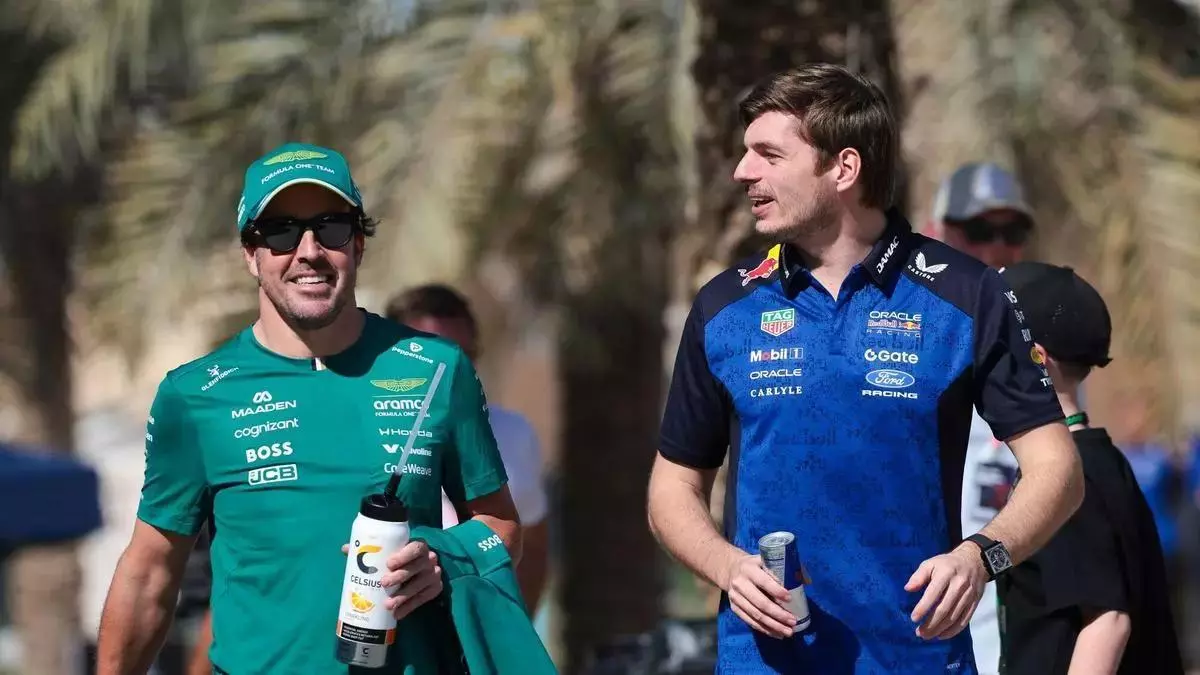
Two champions want drivers, not energy management, back at the center.
Baku
Fernando Alonso has proposed reducing the electrical power delivered by Formula 1’s current hybrid systems as part of his campaign to improve the racing produced by the 2026 regulations. The Aston Martin driver believes the present generation of cars forces drivers to manage energy too aggressively, particularly on long straights, where electrical deployment can fade before the braking zone. Max Verstappen has publicly supported the general direction of Alonso’s proposal, adding weight to criticism from two of the grid’s most experienced champions.
The problem originates partly in the radically increased role of electrical power introduced this season. The MGU-K can produce roughly 350 kilowatts, close to 475 horsepower, but available battery energy must be carefully distributed around the lap. On circuits where regeneration is limited, drivers can lose significant speed toward the end of straights as the electrical contribution decreases. Earlier concerns over these speed differences prompted the FIA to introduce adjustments aimed at reducing extreme closing speeds between cars.
Alonso’s argument goes beyond safety. He believes the current system reduces the importance of aggressive braking, commitment through corners and the instinctive driving traditionally associated with Formula 1. Drivers can sometimes gain more lap time by lifting earlier, preserving energy and optimizing deployment than by attacking every corner at the physical limit. That philosophy conflicts with his view that Formula 1 should showcase the maximum ability of the driver rather than reward increasingly complex energy management.
The FIA has already modified several elements of the 2026 regulations. Changes introduced during the season reduced maximum electrical boost in some situations, adjusted energy recovery limits and shortened periods of extreme power loss. Those measures were designed to improve both safety and the quality of racing without abandoning the hybrid architecture that attracted manufacturers including Audi, Ford and Honda. More fundamental changes, however, would likely require a longer regulatory process.
Alonso has made the issue unusually personal. He has said that he speaks regularly with Formula 1 leadership about the regulations and has argued that the championship should not wait until the next major engine cycle to address its weaknesses. His future beyond the current Aston Martin contract has also become connected to whether the cars evolve in a direction that he considers more rewarding to drive.
The debate is ultimately about what Formula 1 wants its technology to achieve. Hybrid efficiency remains central to the championship’s relationship with manufacturers, but Alonso and Verstappen are arguing that technological sophistication should not diminish the role of the person behind the wheel.
Analysis that transcends power.