

 Phoenix 24
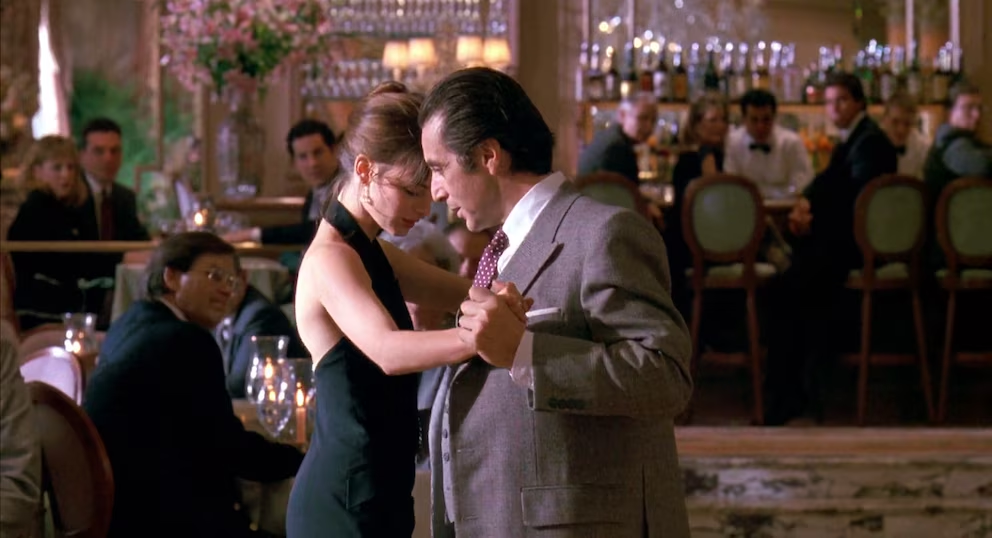
The actor’s choice reflects memory, identity and emotional continuity rather than taste alone.
New York, United States.
Al Pacino has drawn widespread attention after revealing what he considers his favorite song, a disclosure that resonated far beyond the realm of musical preference. Rather than framing his choice in terms of genre or artistic admiration alone, the actor described the song as a personal anchor connected to memory, emotion and the passage of time. His reflection offered insight into how music can function as a private narrative thread within a public life shaped by performance and recognition.
According to Pacino, the song has accompanied him through decisive moments of his life, including periods of professional uncertainty and personal introspection. The meaning he assigns to the piece is rooted not in technical composition or historical significance, but in its capacity to evoke continuity amid change. In that sense, the song operates less as entertainment and more as an emotional reference point, one that has remained constant while roles, contexts and public perception have evolved.
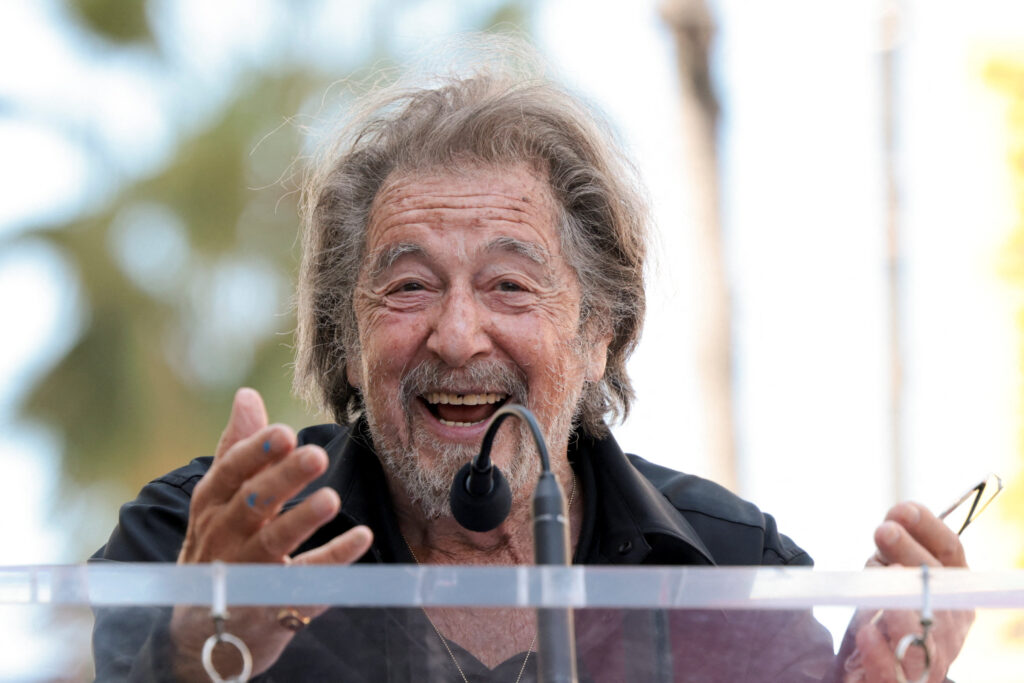
The revelation sparked immediate interest among fans and cultural commentators, not because of the specific title itself, but because of the way Pacino articulated his relationship with it. His explanation highlighted how artistic figures often engage with other art forms not as critics or consumers, but as individuals seeking resonance, comfort or grounding. Music, in this context, becomes a companion rather than an object of analysis.
Pacino’s comments also reopened broader conversations about the role of music in shaping identity, particularly for artists whose careers demand repeated transformation. For an actor known for inhabiting complex and often intense characters, the presence of a single song that transcends professional phases suggests a form of emotional stability that exists outside performance. It underscores how creative lives are sustained not only by craft, but by private rituals and enduring emotional associations.
The public response reflected this interpretation. Discussions across cultural media focused less on ranking or judging Pacino’s taste and more on the universality of the experience he described. Many noted that favorite songs often serve as emotional time capsules, capable of reconnecting individuals with earlier versions of themselves or with moments that shaped their worldview. In Pacino’s case, the song functions as a bridge between his public persona and his inner life.
Cultural analysts have also pointed out that such disclosures humanize figures whose careers are often mythologized. By framing his favorite song as something that “goes beyond music,” Pacino implicitly rejected the idea of art as mere consumption and instead emphasized its role in emotional survival and personal coherence. This perspective aligns with a broader understanding of how art circulates in everyday life, not as spectacle, but as presence.
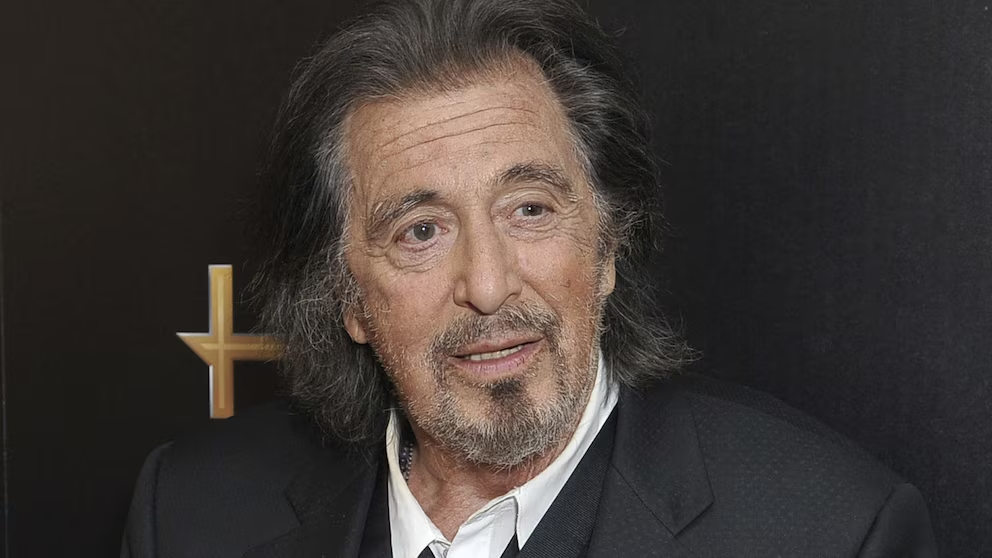
The episode illustrates how seemingly minor revelations by public figures can resonate precisely because they touch on shared human experiences. Music, stripped of branding and performance metrics, becomes a vessel for memory and meaning. Pacino’s reflection offers a reminder that behind celebrated careers lie ordinary emotional structures shaped by sound, memory and repetition.
In revealing his favorite song, Al Pacino did not redefine his public image, but quietly reframed it, allowing a glimpse into how art sustains those who spend their lives creating it.
Detrás de cada dato, hay una intención. Detrás de cada silencio, una estructura.
Behind every data point, there is an intention. Behind every silence, a structure.