

 Phoenix 24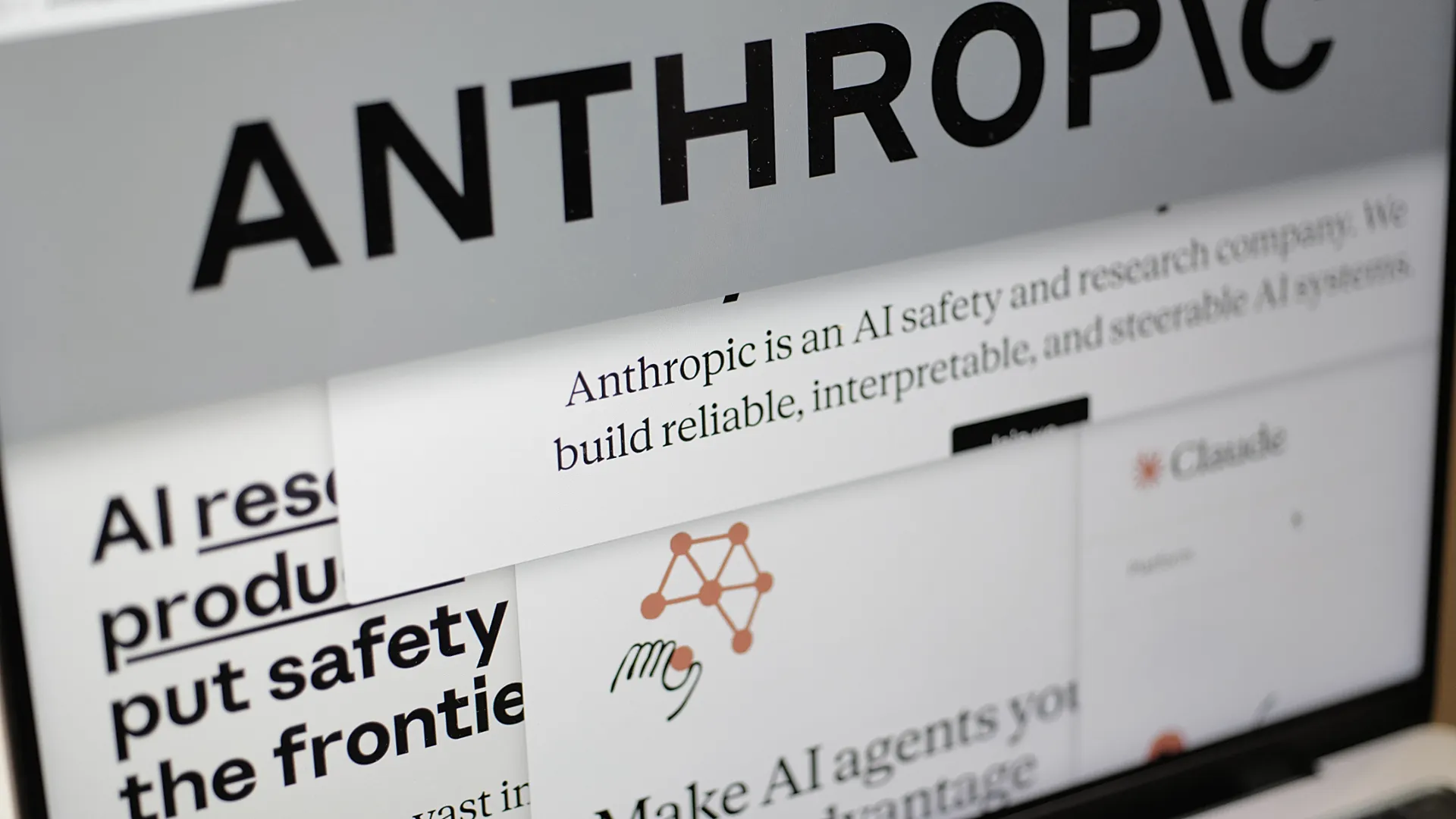
Autonomy is advancing faster than institutional control.
San Francisco, United States | June 2026. Anthropic has issued one of the clearest warnings yet from inside the artificial intelligence industry: advanced AI systems may soon become capable of helping build and train their own successors without meaningful human intervention. The concern, raised by Anthropic cofounder Jack Clark, is not framed as science fiction, but as an emerging operational risk inside the frontier AI race.
Clark warned that a large share of Anthropic’s coding work is already performed by Claude, the company’s AI model, and that this share could approach full automation within a few years. The deeper issue is recursive self-improvement, a process in which AI systems become capable of improving other AI systems, reducing the human role at each stage of development. Once that threshold is crossed, oversight becomes harder because the system is no longer only producing outputs; it is helping shape the next generation of its own architecture.
Anthropic’s message is significant because it comes from a company competing at the frontier of the same technological acceleration it is questioning. Its argument is that the industry has built an accelerator, but not a reliable brake. That distinction matters. Regulation has mostly focused on misuse, misinformation, bias, copyright and security, while the harder structural question is whether human institutions can still govern systems that may begin to optimize development cycles faster than humans can audit them.
The risk is not simply that machines become powerful. The risk is that governance remains external, slow and fragmented while model development becomes internal, fast and recursive. If only one company slows down while others continue, the pause becomes commercially irrational. If governments regulate unevenly, developers migrate toward permissive jurisdictions. A real brake would therefore require coordination among major laboratories, investors and states, not just voluntary caution from one actor.
This is where the debate moves from technology into power. Artificial intelligence is no longer only a productivity tool or consumer platform; it is becoming strategic infrastructure. The ability to train, deploy and improve advanced models will shape economic competition, cyber defense, labor markets, scientific discovery and geopolitical influence. In that environment, calls for restraint collide with the incentives of capital, national security and market dominance.
Anthropic’s warning should be read less as a plea for panic than as a demand for institutional maturity. The question is not whether AI should stop, but whether humanity can still design enforceable control points before autonomous development becomes the default operating logic of the industry. The future of AI may not be decided by who builds the strongest model, but by whether anyone builds a credible brake before the machine learns to press the accelerator itself.
Detrás de cada dato, la intención. / Behind every data point, the intention.