

 Phoenix 24
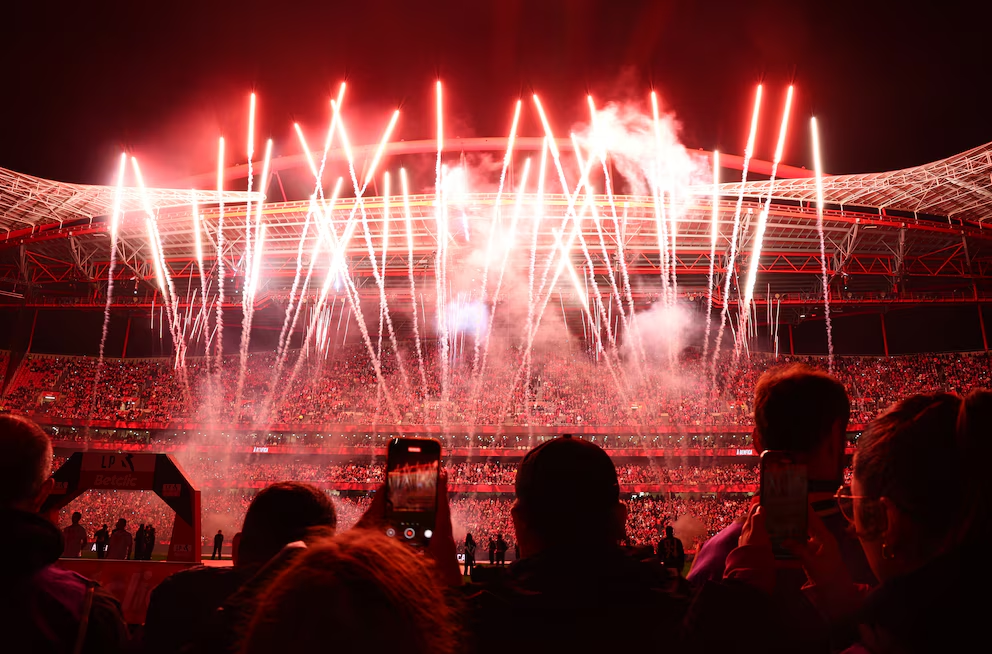
There are moments when a sporting event stops being a spectacle and becomes a system, and at that point the game expands far beyond the pitch.
Doha, December 2025
The upcoming World Cup will not be remembered solely for the matches that define champions but for the technological structure that now surrounds every gesture of the tournament. Stadiums once built around acoustics and crowd density have transformed into hyperconnected environments where sensors, analytics and real time communication shape the experience of millions. The event signals a turning point in global sport, a moment in which connectivity becomes as central to football as tactics or stamina. The scale of integration reveals how deeply technology has woven itself into the rhythm of the game and the behavior of its spectators.
Across Qatar’s host cities, engineers have spent months preparing venues that can support unprecedented digital traffic. High density networks allow tens of thousands of attendees to stream, share and react simultaneously without signal collapse. The architecture is invisible, yet it governs everything from entry flows to concession operations. Cameras track crowd movement and adjust staffing in real time. Intelligent lighting adapts to atmospheric conditions. Emergency systems synchronize with mobile alerts designed to guide the public with precision that older infrastructure could never achieve. This integration produces a choreography where fans move through a stadium that thinks alongside them.
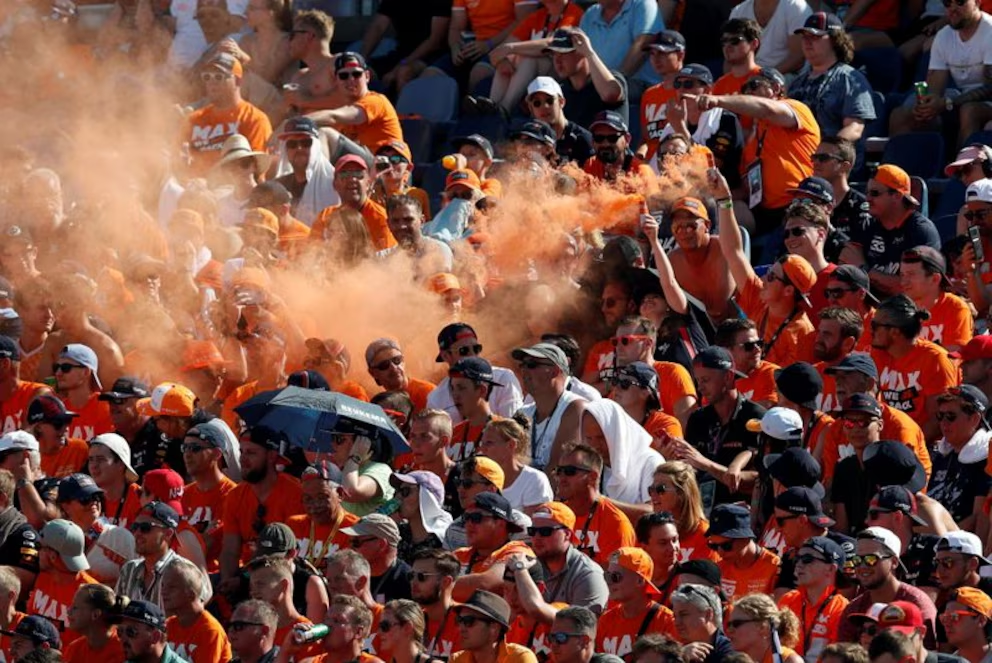
The hyperconnectivity extends beyond logistical comfort. Spectators interact through augmented layers that blend live action with digital features. Phones become second viewpoints that offer tactical angles, biometric summaries of players and personalized updates generated through algorithms that learn from individual habits. For many, the match becomes a dual experience, half physical, half digital, where reactions echo across networks before they even settle in the stands. Younger audiences embrace this hybrid environment as natural, while older fans view it with curiosity and a sense of cultural shift.
Teams themselves engage in this transformation. Coaching staff receive real time visualizations of positional patterns and fatigue indicators. Analysts process thousands of events per match, translating raw data into insights that influence decisions on substitutions or strategic adjustments. This feedback loop compresses the distance between observation and action. Football evolves into a sport where analytics and instinct coexist, each sharpening the other. The result is a game faster in interpretation and richer in nuance.
Outside the stadiums, global spectators experience a similar shift. Streaming platforms distribute matches with interactive overlays that allow users to manipulate camera angles, explore predictive models and follow player trajectories. Homes turn into personalized control centers where fans curate their own interpretations of the game. The boundary between broadcasting and participation continues to fade. Unlike past tournaments where viewers accepted a single narrative feed, today they can construct multiple narratives simultaneously.
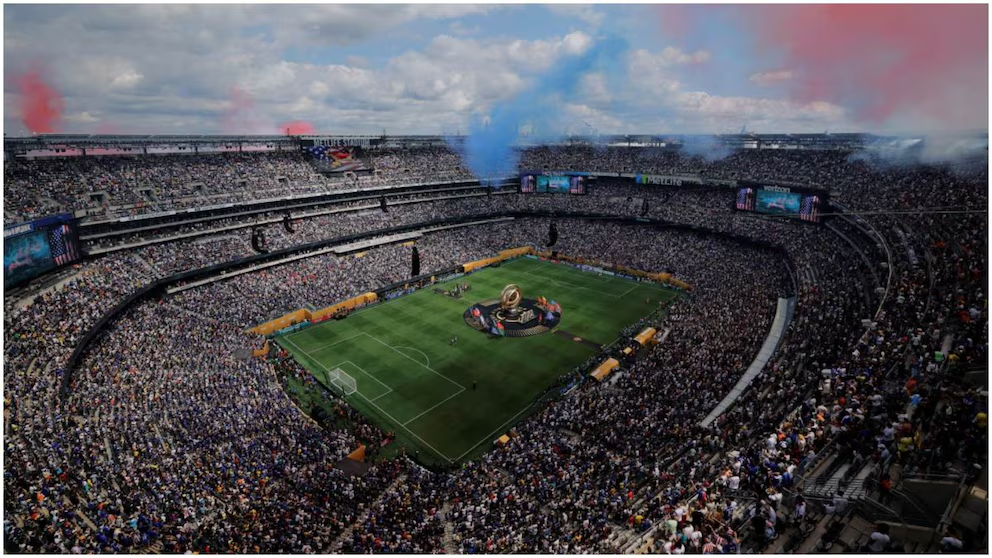
Yet the technological advance raises questions that cannot be ignored. Hyperconnectivity requires massive data collection. Every device that enters a stadium deposits traces of identity, movement and preference. Privacy advocates warn that such environments blur the line between entertainment and surveillance. Tournament organizers assure that data is anonymized and used only to improve operations, but public skepticism persists. Transparency remains fragile in settings where digital infrastructure is vast and complex.
The economic implications also reshape the event. Companies specializing in artificial intelligence, telecommunications and digital security occupy a strategic role once held by traditional sponsors. The World Cup becomes a showcase for technological capability, a demonstration of national strengths in innovation rather than only in sport. Infrastructure investments ripple outward into local industries, influencing urban development and public policy. Cities that host matches frequently adapt these systems into long term smart city initiatives.
For players, the transformation brings both empowerment and pressure. Performance metrics once reserved for training sessions now circulate instantly among analysts, media and fans. Fatigue curves, sprint frequencies and heat maps populate discussions that used to rely on intuition. While many athletes welcome the clarity such data provides, others express concern about being reduced to visualizations that may overlook emotional and situational complexity. The sport has gained analytical depth, but it risks losing some of its unpredictability, that human dimension which resists quantification.
Still, the technological shift appears irreversible. As the world becomes more interconnected, events of this magnitude will intensify their digital integration. The World Cup serves as a testing ground for a broader future in which cities, stadiums and communities operate through coordinated networks that respond instantly to human behavior. The tournament no longer symbolizes only competition among nations. It mirrors the global condition of living inside systems that record, process and adapt to every movement. Football, with its universal reach, becomes the lens through which society witnesses this transition.
In the end, the tournament promises a paradox. Technology enhances immersion while subtly reshaping what immersion means. Fans will cheer, shout and celebrate as they always have, yet their presence will be doubled by the invisible architecture that amplifies every action. When the final whistle blows, memories of the matches will coexist with memories of a new kind of stadium, one that listens, calculates and responds. The World Cup of this era is not merely played; it is computed.
Beyond the news, the pattern. / Más allá de la noticia, el patrón.