

 Phoenix 24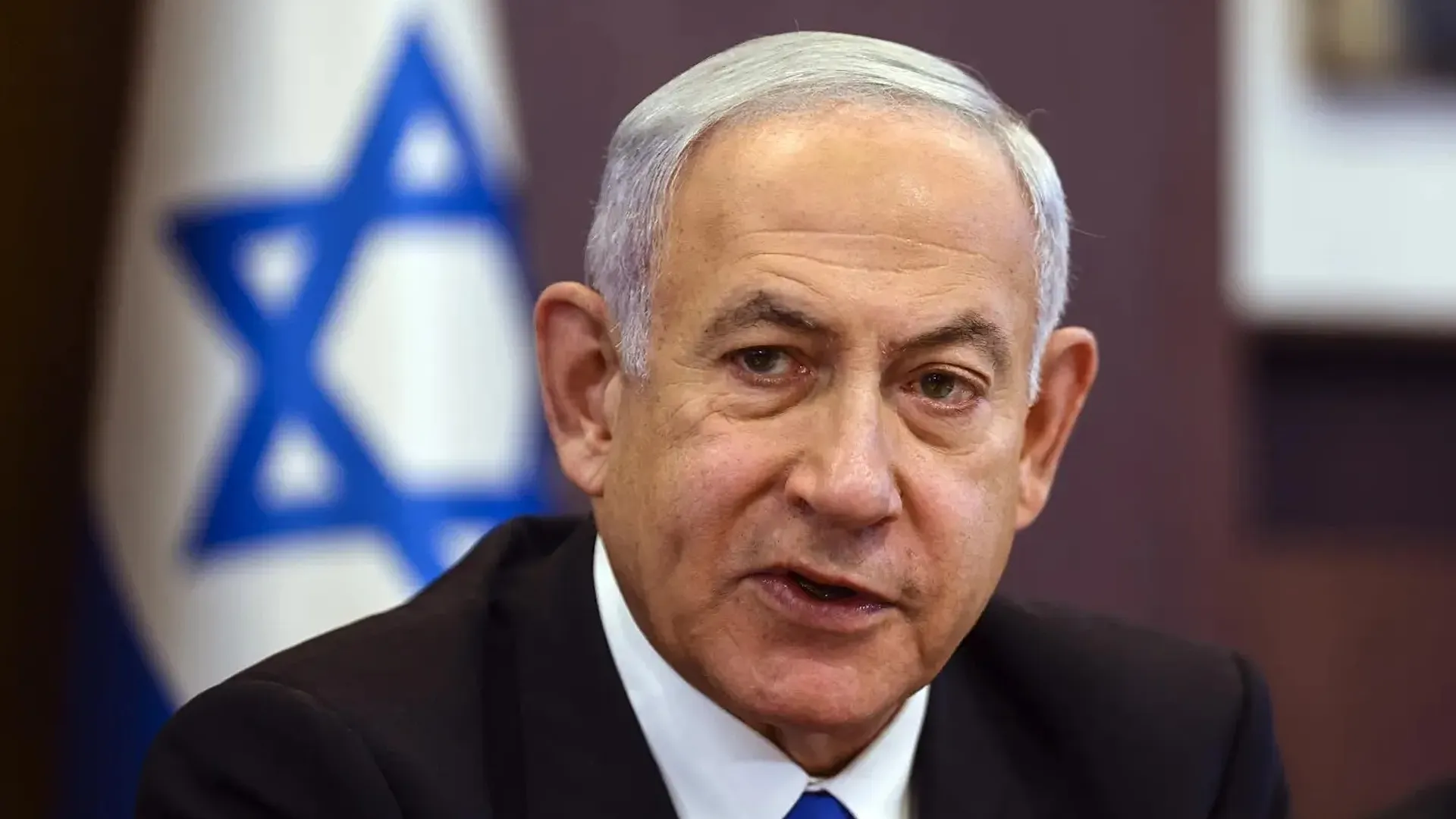
Justice does not always roar from international courts. Sometimes, it erupts from a city determined to challenge global power.
Istanbul, November 2025
The news broke in the middle of a tense political climate: the Public Prosecutor’s Office of Istanbul issued arrest warrants for Israeli Prime Minister Benjamin Netanyahu and thirty six senior officials of his government, accusing them of genocide and crimes against humanity committed in Gaza. The announcement shook diplomats, legal scholars and political strategists from the Middle East to Brussels and Washington. For the first time in decades, a state outside The Hague initiated a national criminal process rooted in universal jurisdiction to pursue a sitting head of government of another country. Turkey argues that the targeted bombing of hospitals, the blockade of humanitarian aid and the systematic destruction of civilian infrastructure constitute acts that meet the threshold of genocide. The prosecutor’s statement asserts that Israeli military decisions intentionally produced starvation, mass civilian casualties and irreversible collective harm. The Israeli government rejected the accusations instantly, calling the move political theater. Yet the shock did not come from Israel’s denial, but from the fact that a member of NATO and a regional power was willing to put legal text into prosecutorial action.
Behind closed doors, diplomats acknowledge that regardless of enforceability, the arrest warrants send a disruptive message. If Netanyahu travels to a country willing to cooperate with Turkish judicial requests, he could be detained. No analyst believes Israel would allow such a scenario, but the warrant creates legal risk every time Israeli officials travel abroad. Until now, accountability efforts for Gaza had been concentrated in international institutions such as the International Criminal Court. Istanbul’s move expands the battlefield of law. It signals that any state with universal jurisdiction legislation can unilaterally initiate prosecutions without waiting for multilateral consensus. This represents a dangerous precedent for leaders who assume that political power guarantees immunity beyond borders.
The United States faces a dilemma. Washington publicly supports Israel and rejects unilateral mechanisms that may undermine diplomatic negotiations. But Turkey is also a NATO member and a strategic partner in the Black Sea region. If the United States dismisses the move, it risks confirming that accountability applies only to adversaries, not allies. If it acknowledges Turkey’s action, pressure grows for a greater international response. Meanwhile, analysts at American think tanks argue that this is a sign of something deeper: the weakening of the post-Cold War order in which only multilateral bodies held prosecutorial legitimacy. The legal center of gravity is shifting.
Europe reacts with ambivalence. Within the European Union, several governments have shown discomfort with Israel’s military actions and growing public pressure for sanctions. Legal circles in Brussels view Turkey’s warrants as a bold but dangerous maneuver that could fragment international law into a patchwork of national prosecutions. However, human rights organizations within Europe privately welcome the move. They argue that the international system often stalls when grave crimes involve powerful states or highly connected political leaders. The Istanbul warrants, regardless of enforcement, strip away the illusion that impunity is inevitable.
In the Middle East, reactions split between applause and calculation. Arab governments avoid direct endorsement, but commentators, civil society groups and academic voices describe the move as a turning point. For years, political sympathy for the Palestinian cause lacked judicial weight. Now, Turkey transforms rhetoric into legal action. That symbolic transfer is powerful. It challenges the idea that accountability is assigned only to regimes labeled as isolated or unfriendly to the West. Israel now faces the same legal framing it historically demanded for others.
The situation also resonates strongly in Asia. Security analysts in South Korea and Japan observe how legal asymmetry adds a new layer to geopolitical competition. If states can weaponize universal jurisdiction to target foreign leaders, law becomes a strategic instrument. Beijing reads the situation through a different lens. China sees that legal fragmentation opens opportunities to challenge Western legal authority by leveraging domestic courts. In other words, the Istanbul warrants are not just about Gaza or Israel. They expose a multipolar legal environment in which norms are interpreted according to national interests rather than universal consensus.
Israel’s internal reaction is one of calculated fury. Officials accuse Turkey of exploiting tragedy for political gain. Supporters of the government insist that Israeli military operations constitute self-defense against armed groups using civilian infrastructure for warfare. Inside Israel, several media outlets report concerns that the warrants may deteriorate diplomatic ties with countries hesitant to confront legal obligations. For Israel’s foreign policy establishment, the threats are not theoretical. Leaders now need to calculate the legal risk of every international trip.
Meanwhile, Turkish public opinion reads the move as a restoration of moral leadership. Erdoğan positions Turkey as an actor capable of confronting what he calls double standards in the international system. Domestically, the arrest warrants generate political dividends. Internationally, they give Turkey leverage. Even if enforcement is unlikely, the warrants change the terrain of global diplomacy. Netanyahu becomes, on paper, a wanted figure in one of the most influential capitals in the region.
The question is not whether Netanyahu will be arrested. The real question is what happens now that a state has dared to put a sitting prime minister of Israel under criminal pursuit. The ground beneath diplomatic immunity has cracked. A new frontier of legal confrontation has opened, one in which power no longer guarantees invisibility, and silence no longer protects.
Phoenix24: Facts that do not bend.
Phoenix24: Hechos que no se doblan.